Yo, if you’re running a factory, you know industrial cable trays are the unsung heroes keeping all your wiring organized, running, and not strung across the floor like a messy DIY project. But let’s be real—you can’t just install ’em and forget ’em. Over time, dust, grime, oil splatters, and even random debris from your production lines build up, and that’s when things start to go sideways. I’m a cable tray supplier, and trust me, I’ve talked to so many maintenance teams that skip regular cleaning until something breaks. Then they’re scrambling to fix exposed wiring, deal with overheating, or even hit OSHA fines because their workspace is a safety hazard. Today, I’m breaking down exactly how to clean these things right—no shortcuts, no weird hacks that’ll ruin your trays, just actual stuff we walk teams through at our shop. Industrial Cable Tray
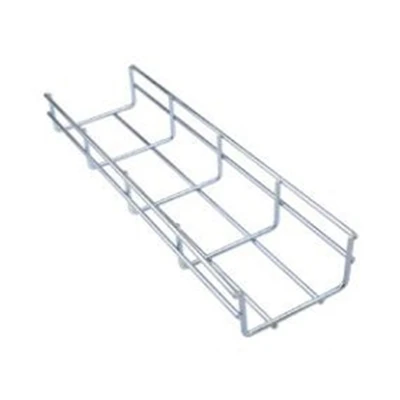
First off, let’s get one thing straight: not all cable trays are the same, and you can’t use the same method for every setup. We supply both steel trays (super common for heavy-duty industrial use, like assembly lines or data centers) and aluminum ones, plus some coated ones for extra corrosion resistance. Steel can handle harsher stuff, but aluminum’s softer, so you can’t blast it with high pressure that’ll scratch or bend it. Coated trays? You gotta avoid harsh chemicals that’ll strip that protective layer, leaving ’em prone to rust. That’s the first rule—know your tray material before you grab a pressure washer or a bottle of something. If you’re unsure, just hit up your supplier (that’s us, by the way) and we’ll send over a spec sheet, no charge. We used to skip that step too, and had a customer last year blast their aluminum tray with a 3000 PSI washer, and it warped so bad they had to replace half the run. Total waste of money and time.
Next, timing. Don’t clean cable trays when your line’s running—like, duh, but you’d be surprised how many teams try to multitask. You need to shut down that section, lock it out (LOTO, that’s lockout/tagout for the newbies), and make sure all power’s off. I’ve seen a guy yank out a tray while a wire was still hot, almost burned his arm off. Not worth it. Pick a downtime window—usually weekends or a scheduled shift break—so you’re not rushing. Rushing leads to missed spots, or even damaging the actual cables inside. Wait, hold on—you should check the cables first, too. If you see frayed insulation, or cables that look loose, fix that before you clean. You don’t wanna knock a bad cable loose and cause a whole line to go down mid-clean.
Now, the step-by-step. Let’s start with the prep, because that’s where most people mess up. First, clear the area around the tray. Move any heavy stuff, lay down some tarps (oil and grease won’t stain your floor, trust me) and make sure you’ve got all your tools ready. What do you need? A soft-bristle brush, not a metal one—metal brushes will scratch coated trays and even aluminum. A mild detergent, like dish soap (Dawn works, no fancy stuff) or a pH-balanced industrial cleaner. For grease, you might need a degreaser, but not the super strong stuff. A bucket of warm water, a pressure washer if you’re using one (but keep it under 1500 PSI—for steel, max 2000, aluminum is 1200 tops), some rags, and safety gear: goggles, gloves, non-slip boots. If you’re working high up on a ladder, tie off that ladder, no clown moves.
First step: remove loose debris. Grab your soft brush and just sweep off the top of the tray first—dust, small bits of plastic, wood, whatever’s sitting on top. Don’t yank the cables out unless you have to, but if you see big chunks stuck between cables, gently pull ’em out with a pair of needle-nose pliers (wrapped in a rag so you don’t scratch the wire insulation). This is important because if you blast high pressure first, you’ll push that debris into the gaps, where it’s way harder to get later. We had a plant do this once, and they spent 3 extra hours digging crumbs out with a toothpick. Not fun.
Second step: tackle grime and grease. Mix your detergent with warm water—like a quarter cup of soap per 5 gallons of water, that’s more than enough. Dip your soft brush in there, wring it out so it’s not dripping, and scrub the tray, focusing on the corners, the folds, and the under-sides where oil and dust love to hide. If you’ve got heavy grease, let the degreaser sit for 5-10 minutes before scrubbing—don’t spray it on and immediately wipe, that doesn’t work. Again, gentle is key. If you scrub too hard, you’ll wear down that coating, and then your steel tray will start rusting, which is a whole other headache. Rust eats through cable trays, and then you’re replacing ’em every 2 years instead of 10. Not cheap.
Third step: rinse it off. Here’s where PSI matters. If you’re using a pressure washer, hold it at least 12 inches away from the tray—any closer, and you’ll warp aluminum or strip coatings. For steel, you can get a little closer, but still no less than 8 inches. If you don’t have a pressure washer, a garden hose with a spray nozzle on “jet” works just fine—takes a little longer, but way safer. Rinse thoroughly, get all the soap and grease off, so it doesn’t dry and leave a sticky residue that’ll attract more dirt later. Also, rinse the under-sides—don’t just clean the top. I see people do that all the time, and the underside is where moisture gets trapped, so if you leave grease there, you’ll get rust spots.
Fourth step: dry it off. This is super important, especially in humid areas, or if you’re cleaning steel trays. Water sitting on steel = rust, plain and simple. Grab your rags and wipe down the tray, or use a leaf blower on low to blow out any water from the gaps between cables and the tray. If you leave it wet, you’ll end up with rust in a month, and then you’re right back where you started. We even recommend spraying a light rust inhibitor on steel trays after cleaning, especially if your factory is in a coastal area with salt air, or a humid warehouse. It’s a 5-minute step that saves you hundreds in replacement costs.
Wait, what about really tricky stuff? Like chemical splatters, or mold? We supply trays for chemical plants, and those get hit with some nasty stuff. For mold, a 10% bleach solution (so 1 part bleach, 9 parts water) works, but test it on a small, hidden spot first to make sure it doesn’t discolor your tray. For chemical residue, you might need a stronger industrial cleaner, but make sure it’s compatible with your tray material. If it’s not, you’ll strip the coating, and that’s a big no. If you’re not sure, just reach out to us—we can tell you exactly what’s safe for the trays we sell.
Also, how often should you do this? That depends on your environment. If you’re in a dusty sawmill, or a food processing plant with lots of flour and grease, every 3 months. If you’re in an office building or a data center with clean floors, once a year is enough. The rule of thumb is: if you can see a thick layer of grime, it’s time to clean. Don’t wait until it starts blocking airflow, or causing the cables to overheat—overheating cables can lead to fires, which are way worse than a 2-hour cleaning session.
Now, common mistakes I see all the time, that I want you to avoid. First, using metal brushes or steel wool. That scratches coatings, leaves tiny metal shavings that can cause electrical shorts, and makes the tray look beat up. Second, using too much pressure. Like I said earlier, aluminum trays warp easily, and steel trays can have their coating stripped. Third, not drying the tray. Rust is the kryptonite of industrial cable trays—we get so many calls for replacement trays because someone skipped drying, and rust ate through the wall in 6 months. Fourth, cleaning while the line’s running. Even if you think you’re being careful, a stray tool or a slippery glove can lead to electrocution, or knocking a cable loose. Not worth the risk.
Another thing: if you’re replacing old cable trays, or installing new ones, we supply a wide range of steel, aluminum, and coated trays, so you can pick the right one for your environment. We’ve got low-profile trays for tight spaces, heavy-duty ones for high-load cable runs, and even fire-rated ones for areas where safety’s extra tight. And if you’re not sure what you need, just tell us your setup—how many cables, what environment, load weight—and we’ll help you pick the perfect tray.
Wait, I mentioned earlier about LOTO. That’s not just a suggestion, that’s OSHA. If you get caught working on live electrical equipment, you can get fined thousands, or worse, hurt. So always lock out that section, test the wires to make sure there’s no power, and have a buddy with you when you’re working. No solo jobs, especially if you’re up on a ladder.
Let me give you a quick example of a good vs. bad cleaning. Last year, a car parts factory came to us. They’d been cleaning their steel trays with a wire brush and a pressure washer at 3000 PSI every 6 months. After a year, half their trays were rusted, some were warped, and they had a short that shut down their assembly line for 12 hours. We sent a team to clean their trays right—soft brush, mild detergent, 1200 PSI max, dried them properly, and sprayed rust inhibitor. They saved almost $2,000 in replacement costs, and their trays have been good for 18 months now, no issues. Compare that to the guy who skipped drying, paid $1,500 for new trays, and had to shut down twice.
So, to wrap this up: cleaning industrial cable trays doesn’t have to be a pain, but it does have to be done right. Know your material, prep properly, use the right tools, don’t rush, and dry that tray. If you’re in the market for new cable trays, or need help picking the right ones, hit us up. We’re a supplier that actually works with maintenance teams, not just sales folks that don’t know the difference between steel and aluminum. We can answer all your questions, help you pick the perfect tray for your factory, and even give you a quick demo of our products if you want. Don’t wait until your trays are covered in grime or rust—take 2 hours to clean ’em now, save yourself the hassle and cost later.

Now, if you’re looking to upgrade your cable tray setup, or just need a quote for new trays, don’t hesitate to reach out. We’ve got options for every budget and every industrial space, so we’ll hook you up with exactly what you need, no fluff.
Stainless Steel Cable Tray References
- Occupational Safety and Health Administration (OSHA), Lockout/Tagout Standard for Industrial Equipment, 29 CFR 1910.147.
- National Electrical Manufacturers Association (NEMA), Technical Bulletin for Industrial Cable Tray Maintenance, TB 1.
- Steel Tube Institute, Guide to Protecting Steel Cable Trays from Corrosion in Industrial Environments.
- Aluminum Association, Recommendations for Cleaning and Maintaining Aluminum Cable Tray Systems.
Hebei Jinglang Industrial Co., Ltd.
As one of the most professional industrial cable tray manufacturers and suppliers in China, we also support customized service. We warmly welcome you to wholesale high quality industrial cable tray in stock here from our factory. If you have any enquiry about quotation, please feel free to email us.
Address: Nanxinzhuang Village, Daweihe Hui and Manchu Township, Wen’an County, Langfang City, Hebei Province
E-mail: wei32830@gmail.com
WebSite: https://www.jinglangcabletray.com/
