If you’ve ever walked past a parked car and caught yourself noticing a small, sleek strip along the edge of a door, you’ve probably spotted exterior car door trim. For years, I’ve supplied these parts to auto shops, dealerships, and original equipment manufacturers (OEMs), and I’ve heard dozens of questions from technicians, car owners, and even design teams: “What is that stuff, really? Is it just for looks?” The short answer is no. Exterior car door trim is one of those underrated components that holds more purpose than most people realize—and as a supplier who’s worked with it for years, I’ve seen firsthand how it protects, functions, and shapes a vehicle’s identity from the moment it rolls off the line to the day it’s traded in. Car Door Trim Exterior
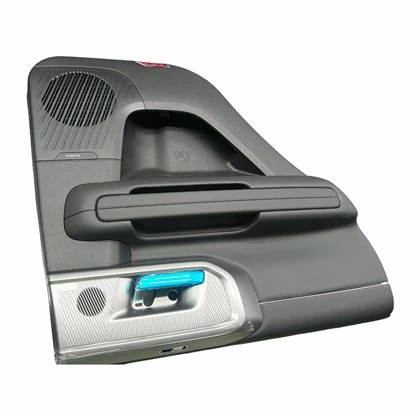
Let’s start with the most basic job: protection. Your car’s door isn’t made of a single solid panel—it’s a composite of steel, plastic, and delicate internal parts like wiring for power windows, weather seals, and structural beams. Exterior trim acts as a first line of defense against the daily wear that would otherwise eat away at the door’s integrity. I remember a client who owned a 2018 compact SUV; after two years of parallel parking in a busy downtown garage, his driver’s side door had a 2-inch scratch that had dug all the way through the paint and into the steel, leading to rust spots that cost him $800 to repair. When he swapped out his original trim for the ones we supply, he told me it was the best small investment he’d made for his car. Trim blocks small dings from shopping carts, door slams at self-serve gas stations, and the constant scraping of curbs during parking. It also shields the seam between the door and the car’s body from water, dirt, and road salt. Road salt in winter is especially damaging—it seeps into tiny gaps and accelerates rust, which can compromise the door’s structure over time. Our trim is designed with a tight, custom fit that seals those gaps, preventing that salt and grime from getting inside.
Beyond physical protection, exterior trim serves a critical functional role in a car’s aerodynamics. Modern auto design isn’t just about style—it’s about fuel efficiency, and every part of a vehicle contributes to how it moves through the air. Trim that’s poorly installed or designed creates small gaps and rough edges that cause drag—those pockets of air that slow a car down and increase fuel consumption. I once worked with a performance car enthusiast who brought in his 2020 sports car because he’d noticed a 2-mile per gallon drop on his highway trips after he replaced his trim with a cheaper, generic version. When we inspected the old trim, we found it had a warped profile that created a noticeable air gap along the door edge, disrupting the airflow that should have stayed smooth. Our custom-fit trim, engineered to match the original manufacturer’s aerodynamic specifications, restored his fuel efficiency back to its original level. For everyday drivers, this might seem like a small difference, but over the life of a car, even a 1-mile per gallon improvement adds up to hundreds of dollars in fuel savings. For electric vehicles, which rely on every bit of range they can get, trim’s aerodynamics are even more important—any extra drag cuts into battery life, making a well-designed trim a key component for EV performance.
Then there’s the part that most people notice first: aesthetics. Exterior door trim isn’t just functional—it’s a design element that defines a car’s look. Think about how a sedan’s chrome trim along the window line gives it a sleek, polished appearance, or how black matte trim on an SUV adds a rugged, off-road-ready vibe. As a supplier, I work closely with design teams to match trim to a vehicle’s brand identity. A luxury sedan might use polished aluminum trim to signal sophistication, while a pickup truck might use durable black plastic to convey toughness. Trim also helps create visual flow across the car’s body, making doors look seamless rather than separate from the fenders or roof. I’ve seen customers choose to upgrade their trim after a few years because their original trim had faded or chipped, and they wanted to refresh their car’s look without a full repaint. It’s a cost-effective way to update a vehicle’s style—far cheaper than replacing an entire door or repainting a section of the body.
Wait a second, I should also mention something I’ve learned from years in this business: not all trim is created equal. A lot of car owners will try to save money by buying generic trim from a big-box store, but that’s where problems start. Generic trim is one-size-fits-all, so it doesn’t seal properly, doesn’t fit the aerodynamics, and might even scratch the door’s paint if it’s poorly cut. Our trim is made from high-quality, UV-resistant materials that don’t fade or crack in extreme heat or cold—something cheap trim can’t do. I’ve had a customer bring in a set of generic trim that had started to peel off his door after just one winter; the adhesive was too weak to stand up to freezing temperatures, and the plastic had become brittle. Our trim uses industrial-grade adhesive and materials tested to withstand temperatures from -40°F to 180°F, so it stays in place no matter the conditions.
Another common misconception: exterior door trim is just for show on the doors. But it also plays a role in safety. Some trim pieces are designed to be soft on impact, which helps reduce injury in low-speed collisions. If you’re in a fender bender at a parking lot, the trim will absorb some of the force, rather than transferring it directly to the door’s structural panel. That means the door is less likely to get damaged, and you’re less likely to be injured. Also, many trim pieces are color-coded to match the car’s body, so in the event of a minor collision, the trim can act as a buffer between the door and another car or object, preventing more expensive damage to the painted body.
I’ve been supplying car door trim exterior parts for over a decade, and one of the things I love most about this work is how small parts make such a big difference. It’s easy to overlook trim when you’re looking at a car, but if it’s missing, faded, or broken, it can ruin the look of an otherwise great vehicle—and cause problems that turn into expensive repairs. I’ve seen a car that was in perfect condition, with just a chipped trim piece, get passed over at a dealership because the trim made it look neglected. On the flip side, I’ve seen a 10-year-old car with a fresh set of our trim sell for $1,500 more than a similar model with worn trim, just because it looked better.
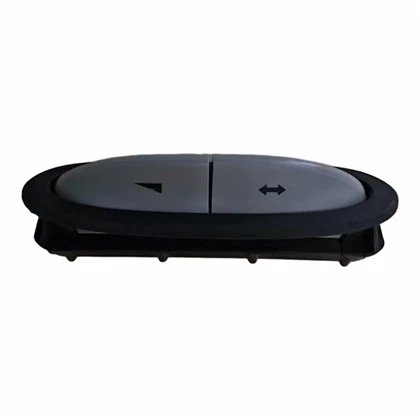
If you’re a car owner who’s noticed your trim is faded, cracked, or missing, or if you’re a technician looking for reliable trim parts for your shop, I can help. We supply a wide range of exterior door trim, custom-fit to match almost every make and model on the road, with materials designed for long-lasting protection and style. Whether you’re working on a personal vehicle, a fleet of cars, or a dealership inventory, we can provide the parts you need at a fair price, with the quality you can trust. To learn more about our products and discuss your requirements, feel free to reach out to our team to set up a consultation. You can count on us for parts that do more than just fit—they protect, perform, and enhance your vehicle, just like they’ve done for thousands of cars over the years.
Instrument Panel Systems References
Automotive Fleet and Business Finance. (2022). “The Hidden Role of Exterior Trim in Vehicle Longevity.”
Society of Automotive Engineers (SAE). (2021). Aerodynamic Design Considerations for Exterior Body Components.
International Organization for Standardization (ISO). (2020). Standards for Weather Sealing of Automotive Exterior Trim.
Hebei Xiujie Auto Parts Co., Ltd.
As one of the most professional car door trim exterior manufacturers and suppliers in China, we have world-leading production equipment and strong manufacturing capabilities. Please feel free to wholesale bulk customized car door trim exterior from our factory. Contact us for quotation and free sample.
Address: Industrial New Area, Wen’an County, Langfang City, Hebei Province (State-run Xiaowu Farm)
E-mail: runtaoli87@gmail.com
WebSite: https://www.xiujie-cn.com/
