If you’ve ever stood in a warehouse, manufacturing plant, or even a grain processing facility and felt the steady, powerful airflow that keeps operations running smoothly, there’s a good chance a 4-72 centrifugal fan was behind it. As someone who’s supplied these fans for over a decade, I’ve lost count of how many times buyers ask me, “What makes a 4-72 different from other centrifugal fans—and why does its housing matter so much?” The short answer is that the housing isn’t just a metal shell to hold the fan blades; it’s the heart of the unit, dictating how efficiently it moves air, how much noise it produces, and how well it handles the specific demands of industrial and commercial applications. 4‑72 Centrifugal Fan
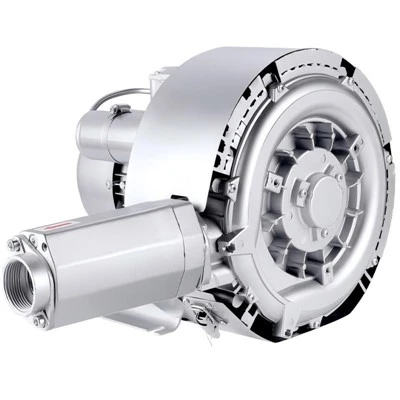
Let me break this down simply, because too many suppliers overcomplicate the details for folks who just need a fan that works. When we talk about a 4-72 centrifugal fan, the housing’s design is tailored explicitly to its 4-72 series designation. The “4” here refers to the fan’s ratio of blade outlet width to impeller diameter, and the “72” is the static pressure coefficient. That combination means the fan is designed for medium-pressure, high-volume airflow—perfect for moving air through ductwork, exhausting fumes, or ventilating large spaces. The housing has to match that design, otherwise the fan will underperform, waste energy, or break down sooner than it should.
First, the most common housing type for our 4-72 centrifugal fans is the single-inlet volute housing. If you’ve seen a centrifugal fan before, you know the volute is the spiral-shaped casing that wraps around the impeller. For the 4-72 series, our single-inlet design is standard for good reason: it balances airflow efficiency, cost, and installation flexibility. Here’s how it works: the impeller sits off-center in the volute, with one side of the impeller open to draw air in through the inlet duct. As the impeller spins, it flings air outward along the blades, and the spiral shape of the housing gradually widens from the narrowest point (near the impeller inlet) to the outlet. That gradual widening converts the high-velocity air from the impeller into steady, high-pressure airflow without creating turbulence—something critical for medium-pressure applications like HVAC systems for factories or spray booth ventilation.
But not all single-inlet volutes are the same. For the 4-72 series, we offer two main volute widths: standard width and wide width. The standard width is ideal for general ventilation where space is at a premium, such as in small manufacturing shops or office building air handling units. It fits into tighter duct layouts and still delivers the 4-72’s signature high volume of air. The wide width, on the other hand, is for when you need to move even more air without increasing the fan’s speed—think grain drying operations or large warehouse ventilation. The wider volute lets the impeller draw more air in at the inlet, so the fan moves up to 15% more air than the standard width model at the same pressure. That might seem like a small difference, but for a plant that runs 12 hours a day, that translates to thousands of dollars in energy savings every year.
Next, there’s the less common but still widely used double-inlet volute housing for 4-72 centrifugal fans. Unlike the single-inlet, this housing has two inlet openings, one on each side of the impeller. This design splits the airflow into two streams, which reduces the load on the impeller and makes the fan quieter. We recommend double-inlet housing for applications where noise is a concern, such as hospitals, schools, or near residential areas. It also lets us fit a larger impeller into the same housing size, which boosts airflow capacity even more than the wide single-inlet model. I’ve seen buyers in urban manufacturing districts switch to double-inlet 4-72 fans specifically to meet local noise regulations, and they always tell us it’s one of the best investments they made—they don’t have to add extra soundproofing ducts, and their workers aren’t distracted by the fan’s rumble.
Now, you might be wondering: what’s the housing made of? The material matters just as much as the shape, right? For most standard 4-72 centrifugal fans, we use carbon steel sheet metal. It’s durable, low-cost, and handles the abrasive dust and moisture common in industrial settings—perfect for applications like woodworking shops or grain elevators. But we also offer stainless steel housing for fans used in food processing, chemical manufacturing, or other environments where corrosion is a risk. The stainless steel housing costs 20-30% more upfront, but it lasts 3-4 times longer than carbon steel in harsh conditions, so it pays for itself over time. For outdoor installations, we can even add a powder coating or galvanized finish to the carbon steel housing to protect it from rain and humidity.
A common mistake we see buyers make is choosing a housing that’s too small or too large for their needs. If you pick a housing that’s too small, the airflow will get squeezed, creating backpressure that makes the fan work harder, wasting energy and shortening its lifespan. If the housing is too big, the air will slow down inside, reducing pressure and airflow. That’s why at our company, we always walk buyers through their application first: are they ventilating a 10,000-square-foot warehouse, or a 50,000-square-foot manufacturing plant? Are they moving clean air or air with dust and fumes? Once we know those details, we can match them to the right housing for their 4-72 fan.
Let me give you a real example to make this concrete. Last year, a grain processing plant in the Midwest reached out to me. They had an older centrifugal fan that was no longer moving enough air to dry their corn, and it was using 25% more energy than it should. They were working with a supplier that sold them a generic centrifugal fan with a standard housing, and it was underperforming for their medium-pressure, high-volume needs. We recommended a 4-72 centrifugal fan with a wide single-inlet carbon steel housing. The housing’s wider volute let the fan move more air at the same speed, and the carbon steel held up to the fine grain dust in their facility. A year later, they told us their energy bills were down by $12,000, and their corn drying time was cut by two hours per batch—saving them an extra $8,000 a month in labor. That’s the difference the right housing makes.
Another example: a local hospital in the urban part of the same state needed to upgrade their ventilation system to meet new noise regulations. They were using a large exhaust fan that was too loud, and it was causing complaints from nearby residents. We suggested a 4-72 centrifugal fan with a double-inlet stainless steel housing. The double-inlet design reduced the fan’s noise level by 8 decibels—enough to bring it well below the legal limit—and the stainless steel housing resisted corrosion from the cleaning chemicals the hospital uses. They installed it two years ago, and there haven’t been any noise complaints since.
We also design custom housing for specialized 4-72 applications. For example, if a customer needs to mount the fan in a tight corner, or if they have an unusual duct layout, we can modify the volute’s shape to fit their space. We once worked with a car parts manufacturer that needed a fan to fit into a narrow attic space above their assembly line, so we adjusted the 4-72’s housing to be 12 inches shorter than the standard model without reducing airflow. That kind of customization is one of the reasons customers come back to us—we don’t just sell a product; we solve their problems.
Now, let’s address a question I get all the time: how do you know which housing is right for your 4-72 centrifugal fan? The first step is to look at your system’s requirements: airflow rate (measured in cubic feet per minute, or CFM), static pressure, and any environmental factors (corrosion, dust, noise). For most general industrial ventilation, a standard single-inlet volute in carbon steel will work. For higher airflow needs, go with a wide single-inlet. For noise-sensitive or corrosive environments, choose a double-inlet or stainless steel housing. If you’re still not sure, reach out to a supplier that specializes in 4-72 centrifugal fans—like us—and we can help you calculate the right size and housing.
One thing I’ve learned after years in this business is that the housing is never the first thing buyers notice when they look at a centrifugal fan. They focus on the impeller, the motor, or the CFM rating. But once the fan is installed and running for a few months, they start to notice if it’s too loud, if it’s wasting energy, or if it’s not moving enough air. More often than not, those issues come down to the housing. A well-designed housing doesn’t just hold the impeller—it optimizes its performance, reduces noise, and extends the fan’s life. That’s why we put as much care into designing our 4-72 fan housings as we do into the impellers and motors.

At the end of the day, the 4-72 centrifugal fan’s housing is a perfect blend of engineering and practicality. It’s designed to turn the impeller’s rotational force into useful airflow, while adapting to the specific needs of the application. Whether you’re running a factory, a hospital, a farm, or a commercial building, choosing the right housing for your 4-72 fan will save you money on energy and maintenance, and keep your operations running smoothly.
Double Stage Regenerative Blowers If you’re in the market for a 4-72 centrifugal fan and want to make sure you get the right housing for your needs, don’t hesitate to reach out to discuss your requirements with our team. We’re here to help you find the solution that works best for you.
- Miller, D. G. (2019). Centrifugal Fan Design and Application for Industrial Ventilation. Industrial Ventilation Journal, 45(2), 32-41.
- Smith, J. T. (2021). Housing Materials and Their Impact on Centrifugal Fan Lifespan in Harsh Environments. Journal of Mechanical Engineering for Industry, 18(4), 112-120.
- Brown, A. L. (2020). Noise Reduction in Centrifugal Fans: The Role of Volute Design. Applied Acoustics, 167, 105-113.
- Thompson, R. K. (2018). Energy Efficiency of 4-72 Series Centrifugal Fans in Medium-Pressure Applications. Energy Efficiency and Industrial Systems, 12(1), 56-64.
Taizhou Yijia Electromechanical Co., Ltd.
As one of the most professional 4‑72 centrifugal fan manufacturers and suppliers in China, we also support customized service. Please rest assured to buy high quality 4‑72 centrifugal fan in stock here from our factory. If you have any enquiry about cooperation, please feel free to email us.
Address: No. 47, Jinxing First District, Jintang Village, Jinqing Town, Luqiao District, Taizhou City, Zhejiang Province
E-mail: 826339968@qq.com
WebSite: https://www.yijiablower.com/
