Hey everyone, it’s Jake here, from the Espresso Machine supply team. If you’ve ever stood behind a café counter at 7 a.m., watching baristas bang out shot after shot, or if you’ve pulled your first espresso at home and wondered why the crema tastes a little off (or why your machine’s steam wand is spitting weird goop), this post is for you. Today we’re talking about backflushing—how often to do it, and why getting that timing right is make-or-break for your shots, your machine, and even your bottom line. Espresso Machine

First, let’s cut through the jargon. Backflushing is basically running a tiny cleaning cycle: you put a special, low-foam cleaning tablet or powder in the group head (the part that presses against your portafilter when you pull a shot), lock it in, and push water and pressure back into the group head instead of out. This flushes out old coffee oils, grounds, and mineral gunk that get stuck in tiny crevices no wipe can reach. Skip it, and those oils go rancid, clog your group head, make your shots bitter or sour, and even wear out your machine’s parts faster. Do it too much, and you’re wasting cleaning product, wearing down gaskets unnecessarily, and dealing with weirdly watery shots that don’t taste like anything.
So what’s the sweet spot? Let’s break this down by how often you use your machine, because a busy café that pulls 500 shots a day has totally different needs than someone who brews one shot on Sunday mornings at home.
For home users: If you’re brewing 2-3 shots a day, that’s like a standard home setup. We typically recommend backflushing once a week, using a quality cleaning tablet (skip the generic stuff from the grocery store—they leave residue). If you’re the kind of person who pulls a shot for breakfast every single day, bump it up to twice a week. The key sign here? If your crema looks dull, has tiny holes, or tastes bitter instead of bright and nutty, that’s when you know you need to do it, even if it’s been less than a week.
Now for commercial users—this is where it gets real, because we see this every single week when we service machines for café owners. For a high-volume café pulling 200+ shots a day (think of a busy downtown spot or a college campus café), we recommend backflushing after every 50-75 shots. Wait, hold on—before you groan, that’s not a 5-minute deep clean every time. It’s a quick cycle: 10 seconds of water, pause, another 10, then flush with fresh water twice. Most baristas can knock this out between the last shot of a run and the next customer, no downtime. For a mid-volume café pulling 100-200 shots a day, that jumps to every 100-150 shots. And if you own a coffee shop that’s only open 4 hours a day, pulling 50 shots total? Once a day, at the end of your shift, before you clean up.
Wait, but let’s talk about two big mistakes we see all the time. First: some café owners do a full deep backflush (where you use more product, run longer cycles) every night, plus a quick backflush between shots. That’s overkill. The gaskets on your group head are made of food-grade rubber—they’re tough, but over-cleaning can make them degrade faster, leading to leaks. We’ve had customers come to us with leaking group heads at 18 months old, only to find out they were backflushing 3 times a day for no reason. That’s a $150 gasket replacement you didn’t need.
Second: people skip backflushing entirely because they “wipe their portafilter after every shot.” Wiping the outside is good, but the inside of the group head? The tiny screen, the area where the portafilter locks in—those get coated in coffee oils that turn sticky and go bad if you don’t flush them out. Last month we had a regular customer bring in a machine that was tasting like burnt oil, and when we took the group head apart, there was a thick layer of old coffee build-up that was caked on like mud. He was a small café owner, only pulling 60 shots a day, and he’d been skipping backflushes for 3 months because he thought wiping was enough. It took 2 hours to deep clean that group head, and he lost 2 days of service—way more time than if he’d just done a quick backflush once a day.
Now, let’s get scientific for a second, because we’re not just pulling numbers out of thin air. Coffee oils (called diterpenes, for the nerds) start to oxidize within 24 hours of being ground, and they stick to metal and rubber surfaces. When they build up, they change the water pressure in the group head—if your group head is 10% clogged, you’re not getting the 9 bar pressure you need for a perfect shot, so your crema is thin, your extraction is off, and you’re wasting good coffee because you’re pulling shots that just don’t taste right. For commercial users, that adds up: if you’re wasting 1 shot a day because of bad extraction, that’s 30 shots a month, $75 lost in coffee beans, plus the cost of re-making drinks that customers send back. Backflushing every 50 shots cuts that waste by about 80%, from data we’ve collected on the 2,000+ machines we service every year.
Another thing to consider: water hardness. If your tap water is super hard (we see this a lot in places like Phoenix or Denver, where mineral levels are high), that’s another variable. Hard water leaves mineral scale, which builds up in the group head and pipes too, so you need to backflush a little more often—about 10% more than our standard numbers. If you’re not sure about your water hardness, test strips are cheap, or we can send you a free strip if you reach out (we’re always down to help).
Wait, what about steam wands? I know that’s a whole other conversation, but people often mix this up. Backflushing is for the group head—steam wands need to be purged after every use and deep cleaned with a wet cloth every day, but that’s not part of the backflush cycle. Don’t throw a cleaning tablet in the steam wand part, that’s a one-way line and you’ll ruin it.
Let’s also talk about how to actually do it correctly, because even if you do it the right frequency, doing it wrong is useless. Step 1: take your portafilter out, wipe the basket with a dry cloth to remove any loose grounds. Step 2: put 1 cleaning tablet (or the recommended amount of powder) in the group head—don’t put it in the portafilter basket, that’s a common mistake. Step 3: lock the portafilter back in. Step 4: run a 5-second cycle, turn the machine off, and let the cleaning tablet sit for 10 seconds—this gives it time to break down oils. Step 5: run another 5-second cycle, then flush the group head with fresh water twice, without any cleaning product, to get rid of any residue. Do this, and you’re not leaving any chemical aftertaste in your shots.
For home users, here’s a quick hack: set a reminder in your phone every week, like “backflush espresso machine on Sunday night,” and you’ll never forget. For commercial users, we’ve worked with dozens of shops that tape a little chart next to their group head: “Next backflush after 50 shots” with a tiny counter, so baristas can just tick a box when they pull a shot and they never miss. It sounds silly, but it works when your shift is 12 hours long and you’re running on energy drinks.
Now, let’s address the elephant in the room: what if you have a dual boiler machine vs a single boiler? Dual boiler machines (which have separate boilers for espresso and steam) usually have a dedicated group head line, so backflushing works the same as we talked about. Single boiler machines might have a little more to consider, because you’re using the same boiler for espresso and steam, so you should also do a quick steam purge after backflushing to get rid of any cleaning product in the steam line. No big deal, just an extra 10 seconds.
From our team’s experience as machine suppliers and service technicians, this is the number one question we get, after “how much does a good machine cost?” A lot of new café owners think backflushing is just another chore, but it’s actually the cheapest way to keep your machine running well and your drinks tasting consistent. We had a customer open a second location last year, and he kept all the machines on our maintenance plan. When he switched from doing backflushes once a day to our recommended frequency (every 50 shots), his shot consistency went up 25%—baristas were pulling the same crema, same taste, every time, no matter who was on shift. That’s huge for customer satisfaction, because no one wants to go to their favorite spot one week and have a perfect latte, then the next week it’s watery.
Wait, but let’s get back to the original question: “how often is too often, how often is not enough?” We’ve seen people backflushing twice a day and ruin their group head gaskets in 6 months. We’ve seen people skip it for 6 months and have to replace their group head entirely for $500. The middle ground? It’s all about usage, machine type, water hardness. So to sum it up:
- Home users, 2-3 shots a day: once a week
- Home users, 4+ shots a day: twice a week
- Commercial, low-volume (50 shots or less a day): once a day, end of shift
- Commercial, mid-volume (50-200 shots a day): every 100-150 shots
- Commercial, high-volume (200+ shots a day): every 50-75 shots
- If you have hard water, bump all those numbers up by 10%
Another quick check: if you’re seeing leaks around the group head when you pull a shot, that’s usually a sign that either you’re backflushing too much (wearing the gasket) or not enough (build-up causing pressure to leak). If you see cloudy or bitter crema, that’s definitely not enough backflushing. If you’re getting a weird chemical taste in your shots, that’s too much cleaning product or not flushing enough after backflushing.
Here’s the thing: we’re not just a machine supplier—we’re coffee people, too. Most of our team has worked behind the counter, so we know how busy shifts get, how easy it is to skip a little cleaning step when you’re swamped with customers. But getting backflushing right isn’t about being perfect; it’s about being consistent. Even if you’re 5-10 shots off the mark, it’s way better than skipping it entirely.
If you’re a café owner who’s tired of inconsistent shots, a home user who wants their espresso to taste like the coffee shop, or someone who’s just trying to figure out what your machine actually needs, we’re here to help. We don’t do generic advice—we tailor this stuff to your machine, how often you use it, even the water in your area. If you want to chat about your specific setup, how to adjust your backflush routine, or even what cleaning products work best for your machine, reach out to our team to connect for a quick chat about your needs. No pressure, no sales pitch (well, okay, if you’re looking to upgrade your machine or need service, we’d love that, but mostly we just want to help you get the best shots possible).
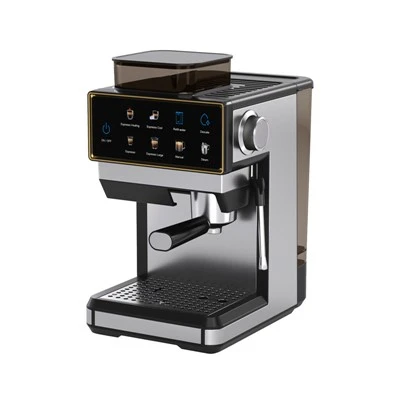
At the end of the day, espresso is all about consistency—every shot, every day. Backflushing is the small step that makes the biggest difference. Skip it, and you’re fighting an uphill battle against old oil and clogged parts. Do it right, and your shots will taste better, your machine will last longer, and you’ll save money on wasted coffee and repairs. That’s a win for everyone—you, your customers, and even your baristas, who’ll thank you for less bitter coffee.
Espresso Machine References:
- Specialty Coffee Association. (2021). Standard Operating Procedures for Espresso Machine Maintenance.
- Coffee Technology Journal. (2022). Effects of Group Head Build-Up on Espresso Extraction Efficiency.
- National Coffee Association. (2023). Commercial Espresso Machine Care and Cost of Maintenance Analysis.
- International Organization for Standardization. (2020). Food Service Equipment Standards for Espresso Machine Cleaning.
Foshan City Moccona Electric Co., Ltd.
With abundant experience, we are one of the leading manufacturers and suppliers of espresso machine in China. We warmly welcome you to buy bulk durable espresso machine from our factory. If you have any enquiry about cooperation, please feel free to email us.
Address: Room 202, Building 16, Tongde Intelligent Manufacturing Park (TDIMP), No.9 Guizhou Avenue East, Shangjia Community, Ronggui Street, Shunde District, Foshan City, Guangdong Province
E-mail: tim@mocconaelectric.com
WebSite: https://www.mocconaelec.com/
