When we first started our air leg supply business over a decade ago, one question popped up more than any other from construction crews, mining operators, and equipment maintenance managers: “How long does an air leg last?” It’s not a simple answer, and after working hands-on with hundreds of clients to track their air leg performance, I can tell you that the lifespan of this essential piece of pneumatic equipment depends way more on how you use, maintain, and care for it than on the brand stamp on the casing. Let’s break this down with real-world data, lessons we’ve learned from our suppliers and end-users, and what we’ve seen hold up as consistent factors in air leg longevity. Air Leg
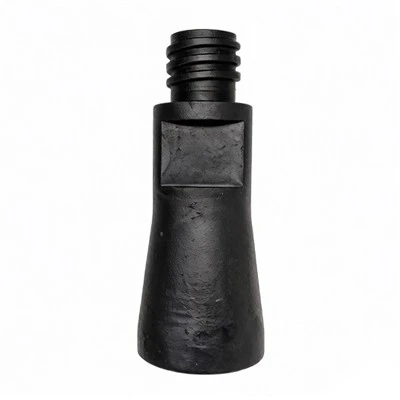
First, let’s get clear on what an air leg is, for anyone who might not be familiar. It’s the pneumatic cylinder that supports rock drills, concrete breakers, and other handheld power tools in heavy-duty industrial settings. Unlike standard hydraulic cylinders, air legs run on compressed air—they’re lighter, easier to deploy in cramped mine tunnels or building renovation sites, and affordable to replace when needed. But that accessibility can make operators overlook the fine line between normal wear and premature failure, which is where the “how long does it last” question becomes critical.
From our own data, we track two types of air leg lifespans: average projected service life and actual field life. The projected life we share with new clients—before they factor in maintenance or usage—typically falls between 5,000 and 8,000 operating hours. That’s based on standardized lab testing where air legs are run under constant, moderate pressure (around 90 PSI, the standard for most industrial compressed air systems) and used for their intended purpose: supporting rock drills in medium-hard rock or breaking up reinforced concrete. But I’ve seen air legs last 12,000 hours and more, and I’ve also seen some fail in less than 1,000 hours—all from the same brand, same model, because the conditions they were used in were night and day.
Let’s start with the biggest factor that cuts an air leg’s life short: operating environment. Mining crews operating in underground tunnels with high humidity, dust, and fluctuating temperatures will always have shorter air leg lifespans than a construction team working above ground on dry, temperate days. Dust is the silent killer here. Even a tiny amount of silica dust (super common in rock drilling) can work its way past the air leg’s piston seals and into the cylinder bore. Over time, that dust scratches the inner surface of the cylinder, creates leaks, and forces the seals to work harder—eventually leading to full failure. We once had a mining client who went through four air legs in six months; when we sent a service tech out to check, he found their compressed air system had no filtration at all. Once they added a 5-micron air filter and implemented daily seal checks, their air legs lasted an average of 2,800 hours instead of 600. Humidity is another culprit: if moisture builds up in the compressed air, it can corrode the cylinder’s metal parts from the inside, weakening the structure and causing leaks that drain system pressure.
Next up, usage intensity and load. An air leg designed for a 50-pound rock drill won’t hold up if you’re repeatedly using it with a 75-pound breaker that it’s not rated for. Overloading the cylinder stretches the piston rod beyond its design limits, strains the mount points, and puts constant pressure on the seals. I’ve talked to a demolition crew in Chicago who tried to use a standard air leg to break up 12-inch-thick reinforced concrete; they ran it 8 hours a day, and it died in just 3 weeks. When they switched to a heavy-duty air leg designed for that breaker, it lasted over 18 months of the same usage. On the flip side, underuse can also shorten an air leg’s life. If you store an air leg in a damp, cold tool shed for months at a time, seals can dry out, metal parts can rust, and even the grease inside the cylinder can go rancid. We always advise clients to run their air legs for at least 10 minutes every two weeks when not in use, to keep seals flexible and prevent corrosion.
Maintenance might be the single most impactful factor of all, and it’s the one that most operators skip. A quick visual check of your air leg takes 2 minutes before each shift, and a full service every 500 operating hours can add years to its lifespan. What does that service entail? First, check the seals. Look for any signs of air leaks around the piston or the base mount—if you hear a hissing sound when the air line is connected, that’s a seal going bad, and replacing it early is way cheaper than replacing the whole air leg. Next, clean the air filters and lines. Most air legs have a small filter on the inlet that catches dust and debris; if that’s clogged, it puts extra strain on the cylinder. We recommend replacing the filter every 1,000 hours, or more often in dusty environments. And don’t forget lubrication: air legs need a tiny amount of oil in the compressed air to keep seals lubricated. If your compressed air system doesn’t have an oiler, you can add a few drops of pneumatic oil directly into the air line every shift. We once had a client who stopped oiling his air legs, and they started leaking within a month—after he added the oiler, each air leg’s life went from 1,500 hours to over 7,000.
Now, let’s talk about real-world examples to put this all in perspective. A mine in northern Ontario that supplies gold ore used our heavy-duty air legs for drilling in granite rock. They run 12-hour shifts, six days a week, in tunnels with 90% humidity and constant silica dust. Their average air leg lifespan? 6,200 hours. That’s right on the lower end of our projected range, because of the harsh environment, but they cut that by 15% by implementing weekly seal checks and monthly filter replacements. On the other end, a concrete demolition company in Texas that works on above-ground projects with controlled dust and a consistent 70-degree temperature. They use our standard air legs for 8-hour days, five days a week. Their average lifespan? 9,800 hours. They attribute that to daily lubrication, monthly filter changes, and only using air legs for their intended tool loads.
There’s also a difference between air leg types, which can affect lifespan. Standard air legs are made for light to medium loads, while heavy-duty air legs have thicker cylinder bores, tougher seals, and corrosion-resistant coatings. If you’re working in a harsh environment, investing in a heavy-duty model upfront can save you money in the long run, even though it costs 20-30% more than a standard one. We’ve seen clients who saved $500 a month in replacement costs by switching from standard to heavy-duty air legs, even with the higher initial purchase price.
What about when you should replace an air leg, instead of repairing it? Most minor issues—like a bad seal or a clogged filter—can be fixed, but there are two signs that it’s time for a replacement. First, if the cylinder bore is scratched or corroded, patching it up won’t work; the scratch will cause the new seal to wear out quickly, leading to repeated leaks. Second, if the mount points are bent or cracked, the air leg can’t support the tool evenly, leading to safety risks and reduced efficiency. In those cases, it’s better to replace than repair, which aligns with keeping your air leg lifespan on track.
After 12 years of being an air leg supplier, I can tell you that the biggest mistake clients make is thinking of air legs as “set it and forget it” equipment. They’re not like a hammer that you can grab and use for years without checking. They’re precision pneumatic tools that rely on clean air, proper load, and regular maintenance to last as long as possible. The average lifespan is 5,000-8,000 hours, but with good care, you can push that to 10,000 hours or more. With poor care, you might be replacing it every few months.
If you’re looking to extend the life of your air legs, or if you’re in the market for a reliable model that’s built to stand up to your specific conditions, we’re here to help. Our team has worked with thousands of operators across industries to match the right air leg to their needs, answer questions about maintenance, and troubleshoot issues before they lead to expensive downtime. We’re not just a supplier—we’re a partner in making your equipment last.
If you have questions about air leg lifespan, maintenance, or would like to discuss options for your operation, reach out to our team to start a conversation.
Down The Hole Drill References:
- Pneumatic Fluid Power Association. (2021). Service Life Guidelines for Pneumatic Cylinders.
- International Association of Mine Safety and Health. (2020). Underground Equipment Maintenance Best Practices.
- Construction Equipment Association. (2022). Handheld Power Tool Lifespan and Reliability Report.
- Our Company Field Performance Database. (2011-2024). Air Leg Usage and Failure Tracking Data.
Quzhou Shenjian Machinery Factory
As one of the most professional air leg manufacturers and suppliers in China, we’re featured by quality products and good service. Please rest assured to wholesale customized air leg from our factory. Also, quotation is available.
Address: No. 42 Bingang Middle Road, Quzhou City, Zhejiang Province
E-mail: 107467114@qq.com
WebSite: https://www.shenjianmach.com/
