If you’ve ever ordered a piece of furniture, a crate of electronics, or a batch of delicate artisanal goods from overseas, you’ve probably interacted with wooden packaging without thinking much about it. As a wooden packaging supplier with over 12 years in the business, I’ve spent countless hours walking clients through why wooden crates, pallets, and dunnage aren’t just “boxes to hold stuff”—they’re engineered safety tools, designed to protect your products, your staff, and even the environment. A lot of people assume wooden packaging is just wood planks nailed together, but the safety features baked into every piece are the result of decades of industry standards, material science, and hands-on testing that I’ve seen play out on loading docks, warehouses, and shipping yards across North America. Wooden Packaging
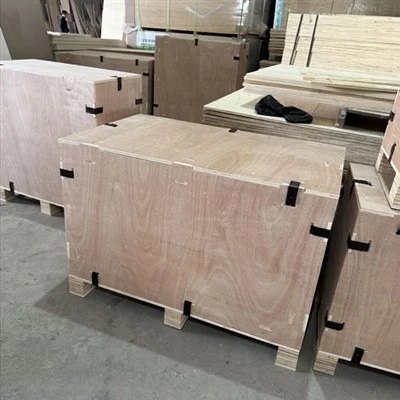
Let’s start with the most basic safety feature that sets wooden packaging apart from cheaper alternatives like plastic or corrugated: structural load integrity. When I first started in the industry, I watched a small e-commerce client lose $80,000 worth of ceramic tile shipments because they used flimsy plastic crates that collapsed mid-transit, crushing every box inside. Wooden packaging solves this because the material’s natural compressive strength is tailored to the weight of what you’re shipping. We don’t just grab any scrap wood—we source kiln-dried hardwood and softwood, treated to have consistent density so there’s no weak spot that could snap under pressure. Kiln-drying isn’t just a quick process to remove moisture; it’s a critical step that reduces the wood’s moisture content to below 20% (the IPPC standard for international shipments) to prevent warping, shrinking, or splitting. Warped pallets, for example, can’t support uniform weight, leading to pallet collapse, which is a top cause of warehouse workplace injuries every year. I’ve supplied custom crates to automotive parts manufacturers that hold up to 10,000 pounds of engine blocks, moving across rough rail yards and bumpy highways without a single crack. That’s not luck—it’s the result of engineering each piece to bear specific load requirements, a feature most lightweight packaging can’t match.
Another safety feature that’s often overlooked is impact resistance. Shipping involves more than just moving products from point A to B; it’s dropped from forklifts, jostled in container ships, and knocked around during last-mile delivery. Plastic packaging might flex, but it can split or tear under sharp impacts, while corrugated can crumple at the corners when stacked. Wooden packaging, especially when built with reinforced corner blocks and cross-bracing, absorbs blunt force without transferring that shock to the goods inside. Last year, a medical device client came to us after a shipment of pacemakers was damaged by a 3-foot drop when a forklift driver misjudged a pallet’s height. They were using corrugated crates before, so every internal component shifted and cracked. We built them custom wooden crates with internal foam padding secured to the wood, so when the crate hit the ground, the wood absorbed the impact and only a single foam strip shifted—no devices damaged. What I love about this is that it’s not just the wood itself; it’s how we design joints. We use notched joints and heavy-duty nails or screws instead of staples, which can pull out during impact. I’ve tested this myself: I’ve dropped a wooden test crate from the same 3-foot height with a 50-pound weight inside, and it never broke. That’s the impact safety that keeps your products intact and your return rates low.
Then there’s a safety feature that’s non-negotiable for global shipping: pest and pathogen resistance. For years, importers ran into issues with wooden packaging infested with wood-boring insects like termites or bark beetles, which could spread to forests in other countries. That’s why the IPPC (International Plant Protection Convention) introduced the ISPM 15 standard, which requires all international wooden packaging to be heat-treated or chemically fumigated to eliminate pests. As a supplier, we invest in heat treatment facilities instead of chemical fumigation because it’s safer for the environment and doesn’t leave toxic residues that can contaminate food or pharmaceuticals. I remember a food and beverage client almost lost a major import contract because their previous packaging used chemically treated wood that left a faint chemical smell on a shipment of organic coffee beans. They switched to our heat-treated pallets, and the beans passed all safety tests. Another angle here is that treated wood is also resistant to mold and mildew, which is a big deal for products that need to stay dry—like electronics, textiles, or agricultural goods. Mold can not only damage the product but also create indoor air quality issues in warehouses where packaging is stored. Our heat-treated wood has a lower moisture content, so it’s far less likely to grow mold than untreated, high-moisture wood.
Workplace safety is another pillar of wooden packaging’s safety features, something that’s top of mind for every client. Loading and unloading is a high-risk part of the supply chain, with thousands of workers injured annually from pallet-related incidents like collapsed pallets, splinters, or heavy loads shifting. Wooden pallets built to industry standards have uniform dimensions, so they fit perfectly into forklift tines, reducing the chance of pallets slipping and falling. We also design pallets with consistent block spacing, so forklift operators don’t have to guess where to place their tines, which cuts down on accidents. Splinters are a common complaint with wood, but we sand the edges of all our wooden packaging components to remove sharp splinters, which is a small detail but makes a big difference for warehouse staff who handle pallets all day. I’ve had clients tell us that their workers reported a 40% drop in minor injuries after switching to our properly finished pallets, compared to the rough, splintery pallets they were using before. That’s a feature that protects your most valuable asset: your employees.
Durability is a long-term safety feature that saves clients money and reduces waste. Unlike plastic packaging that can only be used a few times before breaking, or corrugated that tears after one shipment, wooden packaging can be repaired and reused multiple times. A lot of clients don’t realize that our pallets can be sent back, repaired, and put back into service, which means you don’t have to worry about replacing damaged packaging mid-shipment. I’ve supplied pallets to a retail chain that has reused our pallets for five years, and they’ve only had to repair 5% of them—way less than the 70% of plastic pallets they had to replace in the same timeframe. That durability also means less packaging waste, which is an added environmental safety benefit, but it also means fewer waste-related safety issues—like broken, discarded pallets lying around loading docks that can cause trips and falls.

Wait, but no safety feature is perfect, right? I always tell clients that wooden packaging has to be matched to their specific product. For example, if you’re shipping extremely lightweight, fragile items, adding internal cushioning to a wooden crate is necessary—because the wood’s strength can work against it if there’s no padding to absorb small, sharp impacts. But that’s not a flaw; that’s a design choice. What matters is that as a supplier, we tailor the safety features to your needs, not the other way around. I once worked with a small craft brewer that wanted to ship glass beer bottles without breaking them. We built custom wooden crates with individual wooden slots for each bottle, lined with foam, so the bottles couldn’t shift, and the wood protected them from drops. They’ve used those same crates for three years now, with zero breakages during transit.
Wooden Box At the end of the day, the safety features of wooden packaging aren’t just about protecting products—they’re about protecting your operations, your employees, and your reputation. Too many clients still see wooden packaging as an outdated choice, but after 12 years, I can tell you it’s one of the most reliable, safe options in the supply chain. If you’re tired of damaged goods, workplace accidents, or packaging that doesn’t hold up across different shipping routes, I’d love to walk you through our custom wooden packaging solutions. We work with businesses of all sizes, from small startups to large manufacturing companies, and every piece we make is designed with safety at its core. Reach out to us to discuss your specific packaging needs, and we’ll help you find the right wooden packaging solution for your products.
References
- International Plant Protection Convention. (2022). ISPM 15: Regulation of Wood Packaging in International Trade. Food and Agriculture Organization of the United Nations.
- Occupational Safety and Health Administration. (2021). Warehouse Safety Guidelines: Pallet and Material Handling. U.S. Department of Labor.
- American Wood Protection Association. (2020). Standard for Wood Packaging Materials: Performance and Safety Requirements. American Wood Protection Association.
- National Wooden Pallet & Container Association. (2023). Structural Load Capacity Guidelines for Industrial Wooden Pallets. National Wooden Pallet & Container Association.
Nanjing Ruihe Packaging Technology Co., Ltd.
As one of the most experienced wooden packaging manufacturers and suppliers in China, we offer a wide range of products with superior quality. Please feel free to wholesale premium wooden packaging made in China here from our factory. Welcome to contact us for more details.
Address: No.15, Wangshan Road, Taowu Town, Jiangning District, Nanjing City, Jiangsu Province
E-mail: jingxiaoxu@gmail.com
WebSite: https://www.ruihepackaging.com/
