Hey everyone, thanks for stopping by my blog! I’m Jake, and I’ve been in the link fittings game for over a decade now—let me tell you, when people ask what we actually do, most folks outside the marine space have no clue how much our little parts keep ships moving, safely. Today, I wanna break down exactly how link fittings show up everywhere in the marine industry, from big cargo vessels to tiny fishing boats, and why we don’t cut corners on the stuff we make. Link Fittings
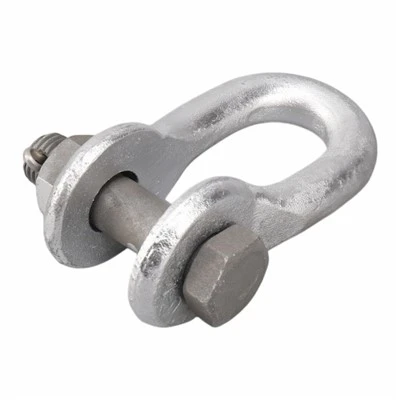
First off, let’s get the basics straight for anyone new: link fittings are basically those heavy-duty, metal connectors—think forged steel, sometimes alloy, not your random hardware store bolts. They’re built to pull, lift, and hold massive loads without snapping, even when saltwater’s chewing at them and the weather’s garbage. If you’ve ever seen a ship dock, unload containers, or even just tie up at a pier, there’s a good chance link fittings are doing the unseen work. Let’s dive into the real-world uses, not just the textbook stuff.
Starting with the big dogs: commercial cargo vessels. These are the ones carrying 10,000+ containers across oceans, right? When a crane hoists a container off the ship onto a truck, the rigging team uses link fittings to connect the spreader bar to the container’s twist locks. Wait, no, actually—link fittings are the core of that connection. A standard 20ft container weighs around 5,000 lbs empty, way more full, so the fittings have to handle sudden jolts from rough seas, wind drag, and the constant lifting/setting. I’ve seen some of our grade 80 link fittings on container ships that have been running for 12 years straight, no replacements. But it’s not just container cranes—on the ship’s deck, link fittings tie down the cargo bays. When a storm hits, those containers can shift like toys if they’re not secured right. Our customers tell us they test the link fittings under 2x the max load requirement just to be safe—you don’t mess around when a 40ft container is sliding toward the edge.
Next up: offshore oil and gas platforms. Yeah, people forget link fittings are huge here too. These platforms sit in the middle of the ocean, so they’re constantly being battered by waves, tides, and heavy equipment. We supply link fittings for mooring lines—those thick cables that hold the platform in place, so it doesn’t drift with the current or wind. A single mooring line on a big rig can pull 100+ tons, and the link fittings have to handle that 24/7, plus the corrosion from saltwater. We make them with a hot-dip galvanized coating, or sometimes we work with our clients on custom coatings for ultra-deepwater sites where the pressure’s way higher. Also, when crews are lifting parts onto the platform—like new pump motors or drill bits—link fittings connect the lifting slings to the crane hook. If one of those fails, it’s not just a broken part; it’s a safety hazard for the crew and a massive downtime cost. I once heard about a rig that lost a crane load because of a cheap, untested link fitting—cost them over $200k in repairs and missed work. That’s why our guys don’t sell anything that doesn’t meet ABS (American Bureau of Shipping) or DNV (Det Norske Veritas) standards.
Then there’s smaller marine stuff: fishing boats. Wait, fishing? Yeah, I know, it’s not as flashy as a cargo ship, but the link fittings here do critical work. A commercial fishing trawler pulls nets that can hold tons of fish, plus the weight of the water. The net’s not just tied to the boat’s rail with rope—there’s a link fitting connecting the net’s tow line to the boat’s winch system. I’ve had fishing captains tell me they’d rather buy a quality link fitting than risk losing a $50k net full of cod in the middle of the Bering Sea. Also, for smaller fishing boats, link fittings are used to secure dinghies when they’re towed behind the main boat, or to attach anchors. A lot of recreational boaters skip this, but the pros swear by them—when you’re out on the water, a weak link can turn a fun trip into a disaster.
What about passenger ships and ferries? You think those big cruise ships don’t use link fittings? Think again. For one, when tenders (the little boats that take passengers from the cruise ship to shore) are launched or retrieved, link fittings connect the tender’s lifting gear to the cruise ship’s davit system. Davits are those cranes that lower and raise tenders—if a link fitting here fails, people get hurt. Also, on the cruise ship’s deck, lifeboats are secured with link fittings. Lifeboats have to be ready to launch in minutes, so those fittings have to work every single time, no exceptions. We’ve had cruise line clients come to us for replacements after a routine inspection turned up a slightly worn fitting—better safe than sorry, right? Passenger safety is non-negotiable, so we make sure every link we ship is tested, stamped, and documented for traceability.
Wait, there’s another area I don’t hear people talk about much: ship repair and conversion. When a ship gets retrofitted—say, adding a new deck cargo hold, or upgrading the crane system—link fittings are key for the installation. The repair teams use temporary link fittings to lift heavy steel beams into place, then permanent fittings to secure the new structure. I worked with a shipyard in Florida last year that was converting a bulk cargo ship into a livestock carrier. They needed 200 custom link fittings to secure the animal pens on the new deck. We had to adjust the size and strength because livestock adds dynamic loads—animals moving around make the deck shift more than regular cargo. That’s the cool part of this job: we don’t just sell off-the-shelf parts; we work with clients to design fittings for their specific needs.
Now, let’s get real about the challenges. Saltwater is the worst enemy here. Regular steel rusts fast, so all our marine link fittings are made with materials that resist corrosion—forged carbon steel with a chromium coating, or sometimes stainless steel for super high-salinity areas. Also, marine environments have extreme temperature swings—from freezing in the North Atlantic to scorching in the Gulf of Mexico. Our fittings have to stay strong whether it’s 20°F or 120°F; cold makes steel brittle, so we use materials that maintain their toughness in low temps. That’s why you’ll never see us sell a generic link fitting meant for construction to a marine client—they’re not built for that stress.
Another big thing: compliance. The marine industry’s super regulated—no cutting corners on safety. Every link we make has to meet the standards set by those classification societies I mentioned earlier, plus local regulations like the US Coast Guard’s rules for vessels operating in US waters. We keep all the test reports and certificates on file for every batch we ship, so if a client gets audited, they’ve got the proof that our parts are up to snuff. A lot of smaller suppliers skip that, but here, we know our reputation’s on the line—if a fitting fails on a ship we supplied, that’s bad for everyone.
Wait, let’s talk about a common mistake I see new boat owners or small marine companies make: buying cheap link fittings online. Yeah, they look the same, but they’re made with lower-grade steel, no testing, and they’ll corrode or break way sooner. Last year, a guy brought a broken link fitting into our shop—he’d bought it from a big box store for his sailboat’s rigging. It snapped during a race, and he almost lost his mast. We tested it, and it was only rated for 20% of the load it was supposed to handle. Don’t do that—invest in a quality link fitting, it’s worth every penny for safety and longevity.
So, what’s next for link fittings in marine? I’ve been hearing a lot about electric cargo ships and offshore wind farms. Offshore wind turbines need massive cranes to install the blades, and those cranes use link fittings to lift the 100-ton blades 300 feet in the air. Electric ships are getting bigger, so their cargo securing systems will need stronger, lighter link fittings—maybe even alloy steel to cut down on weight without losing strength. That’s where we’re focusing a lot of our R&D right now, testing new materials that can handle those loads while being more efficient.
Look, I know this stuff isn’t as glamorous as ships or cranes, but link fittings are the unsung heroes of the marine industry. They hold cargo, secure lifeboats, keep offshore rigs stable, and keep fishermen from losing their livelihoods. If you’re in the marine industry—whether you’re a ship operator, a shipyard, a fishing captain, or a vessel owner—you know how important it is to have parts you can trust. That’s what we do: we make link fittings that don’t just meet standards, they exceed them, because we’ve been in this long enough to know what happens when a part fails.
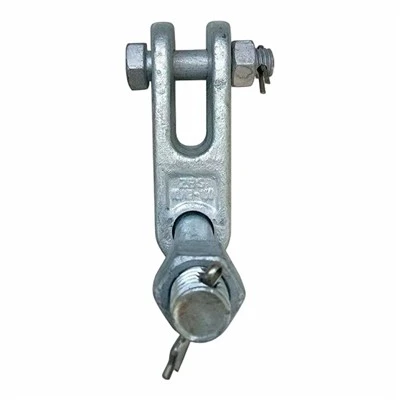
If you’re looking to replace worn fittings, source reliable parts for a new build, or need a custom design for a one-off project, hit me up. We can work with you to figure out exactly what you need, make sure it’s tested and compliant, and get it to you fast—because downtime at sea costs money, plain and simple. Don’t risk cutting corners on safety, reach out and let’s chat about your project.
Protective Fittings References
- American Bureau of Shipping (ABS). (2022). Rules for Building and Classing Marine Equipment for Lifting and Rigging.
- DNV. (2021). Offshore Standard for Mooring and Lifting Equipment.
- International Maritime Organization (IMO). (2020). Guidelines for the Use of Lifting Appliances on Merchant Ships.
- Society of Marine Engineers (SNAME). (2019). Technical Paper on Corrosion Resistance of Marine Link Fittings.
Hebei Tongchuang Power Fittings Co., Ltd.
With abundant experience, we are one of the most professional link fittings manufacturers and suppliers in China. Please feel free to buy advanced link fittings for sale here from our factory. Good service and quality products are available.
Address: Houxiaohan Industrial Zone, Xingbieying Town, Hejian City, Hebei Province, P.R. China
E-mail: tongchuangepf@gmail.com
WebSite: https://www.tongchuangpower.com/
