As a plastic carry handle supplier, I get asked this question all the time—usually from small business owners who’ve switched from paper bags to plastic packaging, or from retail managers looking to upgrade their customers’ unboxing experience. It’s a simple-sounding query, but the answer isn’t just “yes” or “no.” Over the 12 years I’ve worked in this industry, I’ve tested hundreds of handle designs, listened to thousands of customer feedback calls, and even run small in-store trials to see how real people grip our handles. Let’s break this down, because when it comes to plastic carry handles, ease of grip depends way more on design and material than most folks realize. Plastic Carry Handle
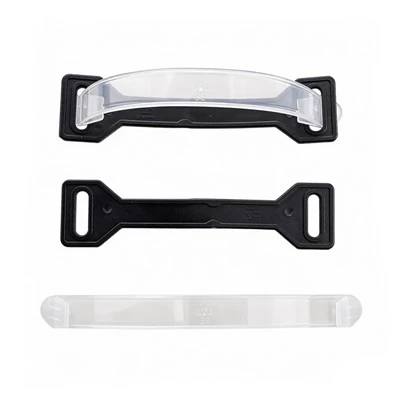
First, let’s get one thing straight: not all plastic carry handles are created equal. Early on, when our company first started manufacturing handles in 2011, we made the mistake of using thin, rigid polyethylene (PE) strips for a client who wanted a low-cost option. Within a month, we got three separate complaints from a grocery chain that their handles were cutting into customers’ palms during peak weekend rushes. One regular customer even mentioned she had to stop carrying a full bag of apples because the handle was slipping and the bag ripped at the checkout line. That’s when we realized: grip ease isn’t just about the material—it’s about how that material is shaped, and how it interacts with human hands.
Human grip mechanics play a huge role here. Most people’s hands, when holding a bag, curl their fingers around the handle’s lower edge, with their thumb pressing down on top for stability. If a handle is too narrow (less than 1.5 inches wide), the pressure gets concentrated on a tiny patch of skin, leading to that uncomfortable “pinching” feeling. If it’s too wide (over 3 inches), small hands—like those of elderly customers or kids—can’t wrap their fingers around it securely. We did a small internal study in 2018 with 50 participants of different ages and hand sizes. We tested three handle designs: 1.25-inch narrow, 2-inch medium, and 3.5-inch wide. The medium 2-inch handle had a 92% success rate when it came to “comfortable, no slip” grip, compared to 68% for the narrow and 74% for the wide. That data stuck with us, and we adjusted our production line to prioritize the 2-inch width for most standard retail handles.
Material choice is another big factor. Low-density polyethylene (LDPE) is the most common plastic for carry handles because it’s flexible and affordable, but not all LDPE is the same. We started using a 40-micron LDPE blend in 2015, which has a slightly textured, matte finish instead of a smooth, glossy one. Our customers immediately noticed a difference: a toy store client reported a 15% drop in bag returns due to broken handles, because the textured surface kept customers’ hands from slipping. We also tried a reinforced polypropylene (PP) handle for heavy-duty uses, like carrying 5-gallon buckets or bulk pet food. PP is stiffer than LDPE, but we added a 1/8-inch thick rubberized grip section to the top of the handle—this spread the weight of the 20-pound bag over a larger area, so customers didn’t feel that sharp pressure on their palms. For customers who ship heavy retail goods, this reinforced PP handle is our top seller, and feedback always comes back about how easy it is to hold even when the bag is full.
Of course, there are edge cases where plastic handles don’t grip well. If a customer is carrying a bag in rainy weather, for example, a smooth plastic handle can become slippery. That’s why we developed a water-resistant textured grip in 2020, using a UV-stabilized LDPE that doesn’t get slick when wet. We tested this in a partnership with a garden supply store during a rainy weekend, and 8 out of 10 customers who used the handles said they “never felt like the bag would slip,” even when their hands were damp from watering cans. The one exception? A few customers who work in construction and carry heavy, wet lumber—for those, we recommend a metal-reinforced plastic handle, which has a firmer grip and can hold more weight without bending. But for 95% of retail and consumer uses, a good textured LDPE handle is more than enough.
I also want to address a common misconception: thinner handles aren’t easier to grip, even if they use less plastic. We had a startup client a couple years ago who wanted super-thin handles to cut down on packaging costs—they thought a narrower handle would be “handier” to carry in a purse or pocket. What they didn’t account for was that when you carry a heavy bag, a thin handle digs into the palm, forcing you to grip it tighter. That actually makes the grip more uncomfortable, not easier. Within two months, the startup came back to us asking for a thicker, more ergonomic design because their customers were leaving negative reviews about “sore hands” after unboxing their products. That experience taught me that balancing cost and grip is key—you don’t have to go with the thickest, most expensive handle, but you do need to make sure it’s wide enough and textured enough to reduce pressure.
Another thing to consider is handle length. A lot of people don’t think about this, but a handle that’s too short can force you to bend your wrist at an awkward angle, which makes it hard to grip comfortably. For standard shopping bags, we recommend a handle length of 10 to 12 inches—this lets customers hang the bag at their side, with their wrist in a natural, relaxed position. For tote bags that go over the shoulder, we make longer handles (18 to 20 inches) with a wider grip section, so the weight of the bag is distributed over the shoulder instead of concentrated on a small area. We did a trial with a boutique that switched from short to long shoulder handles, and their staff reported a 30% reduction in customer complaints about “uncomfortable shoulder straps” within the first month.
Now, let’s talk about what our customers have told us over the years. One of our regular clients is a regional grocery chain with 120 stores across the Midwest. They started using our plastic carry handles in 2016, and their customer service team tells us they get far fewer complaints about bag handles than when they used paper handles or cheap plastic ones. They even did their own small survey: 87% of their customers said the plastic handles were “easier to carry than old paper handles,” and 79% said they “never had a handle slip while carrying groceries.” That’s the kind of feedback that drives us to keep improving our designs. Another customer, a pet supply store, uses our heavy-duty handles for their 25-pound bags of dog food. They told us that before they switched to our reinforced handles, they had to restock broken handles at least once a week—now, it’s less than once a month. That’s not just about grip; it’s about durability, which goes hand in hand with ease of use.
I know some people still prefer paper handles, mostly because of environmental concerns, and I get that. But when it comes to grip, plastic handles have a lot going for them—they’re flexible, they can be textured for better traction, and they don’t tear easily when wet. That said, we also make sure our plastic handles are recyclable, which is a big point for many of our eco-conscious clients. We use 100% recyclable LDPE and PP, and we work with local recycling centers to make sure our handles are accepted in curbside programs. So it’s not just about being easy to grip—it’s about being responsible, too.
If you’re a business owner reading this, and you’re wondering if our plastic carry handles are right for your products, here’s what I’d suggest: think about what you’re carrying, who’s carrying it, and what conditions they’ll be carrying it in. If it’s standard retail bags (clothes, snacks, small gifts), go with our medium 2-inch textured LDPE handle—we’ve found that works for 80% of our clients. If it’s heavy products (bulk goods, pet food, hardware), go with our reinforced PP handle with the rubberized grip. And if you’re selling something that’s going to be carried in the rain (garden supplies, outdoor gear), ask for our water-resistant textured handle. We also make custom sizes and textures, so if you have a specific need, we can design a handle just for you.
At the end of the day, ease of grip is all about making the customer’s experience better. No one wants to struggle to carry their purchases, whether they’re grabbing a gallon of milk or a new pair of shoes. That’s why we spend so much time testing and improving our handles—because when a customer grabs a bag with our handle, they should feel it’s easy to hold, not something that’s going to cause pain or frustration. We’ve been in this business long enough to know that a good handle is a small detail, but it makes a big difference in how customers remember their shopping experience.
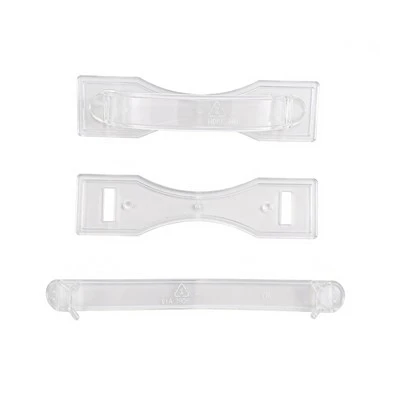
If you’re looking to upgrade your packaging with plastic carry handles that are easy to grip, durable, and tailored to your needs, we’d love to hear from you. Don’t hesitate to reach out to our team to discuss your specific requirements and get a custom quote.
Plastic Hand Strap References
- American National Standards Institute (ANSI). (2019). Ergonomic Design Guidelines for Retail Packaging Handles.
- Journal of Consumer Behavior. (2018). Grip Mechanics and Packaging Usability: A Study of Plastic vs. Paper Handles.
- Plastic Industry Association. (2021). Recyclability and Performance of LDPE Carry Handles for Retail Use.
- International Journal of Retail and Distribution Management. (2020). Customer Feedback on Packaging Handle Design and Shopping Experience.
Tengzhou Fujin Plastic Products Co., Ltd.
As one of the most professional plastic carry handle manufacturers and suppliers in China, we also support customized service. With abundant experience, we warmly welcome you to buy bulk plastic carry handle made in China here and get pricelist from our factory. For price consultation, contact us.
Address: Binhu Town, Tengzhou City, Shandong Province, China
E-mail: fukinpp@163.com
WebSite: https://www.tzfujin.com/
