If you’ve ever walked past a street vendor handing out a free produce bag, grabbed a reusable tote from a coffee shop shelf, or tucked a sleek promotional bag into your laptop case, you’ve seen the work of a bag making machine—those unsung workhorses that turn random rolls of material into something actually useful. As a bag making machine supplier, I get questions every single day: “Wait, does your machine only work with plastic?” No way. If that were the case, we’d all be drowning in single-use bags instead of switching to alternatives that make sense for businesses and the planet. Over the years, I’ve worked with bag makers of all sizes—from small local shops to big national retail brands—and I’ve seen every type of material that can run through a good bag machine. Today, I’m breaking down the real, workable stuff you can actually use (and why it matters, not just for specs). Bag Making Machine
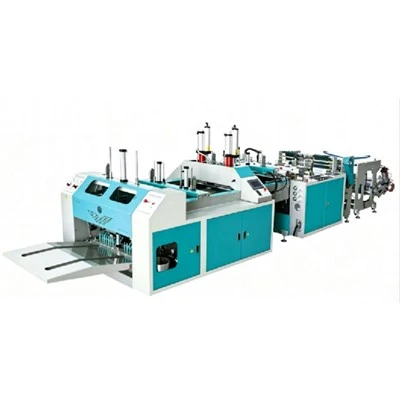
First, let’s get one thing straight: bag making machines aren’t one-size-f-all. The machine you pick depends on what material you’re running, but the good news is, most mid-to-modern machines are flexible enough to handle multiple materials with just a quick adjustment to the tension system (that’s the part that pulls the roll tight, by the way). I’ve had a customer who switched a standard machine from low-density polyethylene (LDPE) to non-woven polypropylene for a local farmers’ market—took them all of 15 minutes, and they were back running. No fancy custom parts needed, just a little know-how. Let’s start with the OG material: plastics. This is what most people picture when they think of bag machines, and for good reason. Polyethylene (PE) is the workhorse here. LDPE is the thin, crinkly stuff you get at grocery stores, dry cleaners, or fast food joints. It’s cheap, easy to print on, and tears at a predictable rate, which is perfect for machine cutting and sealing. Then there’s high-density polyethylene (HDPE) — thicker, sturdier, more durable. That’s the plastic used for shopping bags that hold books or heavy groceries, sometimes called “thick bags.” I’ve seen our machines run HDPE for custom retail tote bags that last a year, no problem. And polypropylene (PP), which is a step up—clear, a little more heat-resistant, good for things like bread bags or frozen food packaging. Wait, and for those stretchy produce bags? Linear low-density polyethylene (LLDPE) is the go-to. It’s stretchy enough to wrap around apples or onions, and the machine can punch those little perforations super evenly so customers can tear off just what they need. The only caveat with plastics? You can’t mix different types in the same roll—PE and PP have different melting points, so the seal won’t stick. That’s a rule I have to drill into new customers all the time, but once they get it, it’s smooth sailing.
Next up, non-woven fabrics. This has been a game-changer in the last 10 years, especially with all the push for reusable bags. Non-woven polypropylene (NWPP) isn’t stitched or woven like a cotton shirt—it’s made by bonding fibers with heat, pressure, or chemicals. It’s lightweight, foldable, and can be printed with vibrant graphics. The best part? It’s reusable, so businesses love it for brand swag or retail bags that customers actually keep. I’ve had small boutique owners come to me saying they used to make paper bags that fell apart after two uses, and now they run NWPP on our machines and customers ask for their bags at every pop-up. Now, can all bag machines run non-woven? Nah. Non-woven is a little thicker than plastic, and it’s not as flexible, so you need a machine with a stronger sealing system. But most of our semi-automatic and fully automatic models are set up for that—we just adjust the heat settings (since NWPP melts at a slightly higher temp than LDPE) and the cutting blade. I had a customer last year who made custom non-woven tote bags for a music festival, and they ran 50,000 bags in two days. No issues, because the machine was dialed in right. The only downside with non-woven? It’s a bit more expensive than plastic, so the initial roll cost is higher. But if you’re selling reusable bags, the markup is way bigger—customers will pay $5 or $10 for a NWPP tote that’s branded, vs. a 10-cent plastic bag. So it pays for itself fast.
Then there’s paper. Wait, paper bags are old, right? But modern paper bag machines aren’t the same as the brown paper bags your grandma used to take to the grocery store. A lot of people think paper is finicky, but if you have the right machine, it’s totally doable. The key here is kraft paper—unbleached, sturdy, and resistant to tearing. You can get it in different weights: 70 GSM for small retail bags, 120 GSM for those big paper shopping bags that hold shoes or bottles. Some paper bags even have a plastic lining, but most food-grade ones use a grease-resistant coating so they don’t get soggy. The trick with running paper on a bag machine is the tension—paper can’t stretch like plastic, so you have to adjust the roll tension really carefully. If it’s too tight, the paper tears mid-cut; too loose, it wrinkles. I always tell new paper bag makers to start with a low-speed test run before full production. I had a customer who tried paper for the first time and cranked the speed up too fast—ended up with 2000 ruined bags. After that, they ran a 100-bag test, tweaked the tension, and now they make beautiful custom paper bags for local coffee shops and bookstores. The best part about paper is it’s recyclable, biodegradable, and has that classic, rustic vibe that a lot of brands love. But it’s not as flexible as plastic or non-woven, so it’s mostly for flat or gusseted bags, not the stretchy ones.
Now, the fun, niche stuff that a lot of people don’t think about. If you’re a brand looking to stand out, you can run all kinds of weird and wonderful materials. Cotton fabric is one—cotton tote bags, the ones you get from trade shows or yoga studios, are often made on bag machines. They’re woven, so you need a machine with a different sealing method (usually ultrasonic, which uses sound waves to melt the fabric without heat) because heat can scorch cotton. I’ve seen our machines run organic cotton, which is huge right now for eco-friendly brands—customers love that it’s chemical-free, and it feels soft vs. stiff non-woven. Then there’s jute or burlap—those natural fiber bags, sometimes called “grain sacks” or “gift bags.” They’re rough, so the machine needs a strong blade and extra tension, but the end result is super textured and perfect for brands that want a rustic, artisanal look. I had a customer who made jute tote bags for a local winery—they put custom labels on them and sold them for $12 each. Way more profitable than plastic, and the machine handled it no problem. Wait, and even things like laminated fabrics, canvas, or even thin vinyl. I once had a guy who ran clear vinyl bags for swim brands—customers use them to carry wet suits or towels to the pool. The vinyl is thick, so the machine’s sealing system has to be adjusted for higher heat, but it works. The only thing I’d warn about with these niche materials is that not all bag machines are set up for them. If you’re planning to run something like jute or organic cotton, tell your supplier upfront—don’t wait until you get the machine and realize it can’t handle it. We build our machines with modular parts, so we can tweak them for specific materials, but we need to know ahead of time.
Wait, I should also talk about what to avoid. This is a question I get all the time: “Can I run polyester fabric?” Maybe, but only if it’s thin, and only if you have a machine with ultrasonic sealing. Thick polyester is too rigid, and it doesn’t seal well with heat—you’ll end up with bags that fall apart. Also, anything with a metal component, like foil-lined paper or fabric with metal threads. Metal can damage the cutting blades and the sealing bars, which means you’ll have to replace parts way sooner. I had a customer once who tried to run foil-lined paper for food packaging—they didn’t tell me it was foil-lined, and by the third day of production, the machine’s blade was bent. Cost them $800 in parts and two days of downtime. Lesson there: if your material has any metal, tell your supplier first. No exceptions.
Another thing that’s often overlooked: material weight (that’s GSM, grams per square meter, for the technical folks). If you’re running thin LDPE for produce bags, you need a machine with a light tension system. If you’re running thick HDPE for retail tote bags, you need heavy-duty tension. And for paper, the GSM is even more critical—70 GSM is too thin for most bag machines, you’ll get constant tearing. 100 to 120 GSM is the sweet spot for paper bags. Non-woven is usually 80 to 150 GSM, which works for most mid-range machines. I always tell customers to bring a sample of their material when they come to check out a machine. Running a test with your actual material is way better than just looking at specs. I have a small test station in our warehouse—we can run a 100-bag trial with any material, so you can see how it cuts, seals, and comes out. No surprises, no wasted money.
Now, why does this matter for you? Let’s say you’re a small business looking to make custom bags. You don’t need a $100,000 fully automatic machine if you’re only running NWPP. A semi-automatic machine will do, and it’s cheaper, easier to use, and can handle multiple materials if you decide to switch later. Or if you’re a big brand looking to switch to reusable bags, you might want a fully automatic machine that can handle 100 bags per minute. The key is matching the machine to the material you want to run. I’ve seen so many people overspend on a machine that’s too powerful for their needs, or buy a cheap machine that can’t handle the material they want to use. It’s all about aligning the two.
At the end of the day, bag making machines are versatile—way more than most people realize. You’re not limited to just plastic. You can run NWPP for reusable totes, kraft paper for eco-friendly retail bags, organic cotton for high-end swag, jute for artisanal gifts, and even clear vinyl for niche products. The only rules are: don’t mix incompatible materials, tell your supplier what you want to run upfront, and always test your material on the machine before full production.
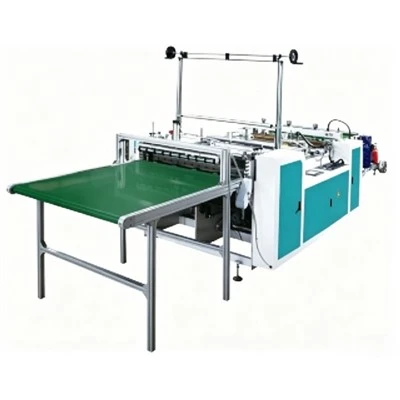
If you’re ready to dive in—whether you’re a new startup, an existing brand looking to switch to more sustainable bags, or just curious about getting a bag making machine—reach out to us. We can walk you through the best machine for your material, your production needs, and your budget. No sales pitch, no jargon, just straight talk. We’ve worked with every type of bag maker, and we’ll help you find something that works for you.
Film Blowing Machine References
- European Commission. (2022). Single-Use Plastics Directive: Impact on Packaging Material Alternatives.
- Textile Institute. (2021). Non-Woven Fabrics in Sustainable Packaging: Production and Applications.
- Paper Bag Manufacturers Association. (2020). Best Practices for Running Paper Bag Making Machinery.
- ASTM International. (2019). Standard Test Methods for Tension Strength of Flexible Packaging Materials.
- Sustainable Packaging Coalition. (2023). Material Guide for Reusable Shopping Bags.
Ruian Jianhao Precision Machinery Co., Ltd.
As one of the most professional bag making machine manufacturers and suppliers in China, we’re featured by quality products and good price. Please rest assured to wholesale durable bag making machine for sale here from our factory. Welcome to contact us for customized service and quotation.
Address: No. 8, Jianshe Road, Beiyu Village, Shangwang Street, Ruian City, Wenzhou City, Zhejiang Province
E-mail: 1832333027@qq.com
WebSite: https://www.jianhaomachinery.com/
