When I first started working as a transmission parts supplier, I’ll admit I didn’t fully grasp how much of a difference the right lubrication makes. Early on, I’d get calls from customers asking, “Can’t I just use the same oil that’s in my engine for my transmission?” The short answer? No— and over the years, I’ve learned that transmission parts absolutely require special lubrication, not just any fluid that promises to reduce friction. Let me break down why this matters, based on what I’ve seen in thousands of orders, customer questions, and the science that goes into every part we supply. Transmission Parts

First, let’s set the stage on what a transmission actually does. Unlike an engine, which is all about combustion and transferring power through pistons, a transmission is the middleman that adjusts torque to match driving conditions— whether you’re accelerating from a stop, cruising on the highway, or towing a trailer. Inside, you’ve got gears spinning at different speeds, bearings rotating on shafts, clutches engaging and disengaging, and seals keeping fluid in while keeping contaminants out. Every one of these parts relies on lubrication to work, but each has unique needs that engine oil just can’t meet.
Engine oil, for example, is designed to handle high temperatures from combustion— often up to 220°F or more. Transmission lubricants, on the other hand, run a bit cooler but face way more consistent, heavy-duty friction. Gears in a transmission mesh together with precision— sometimes as tight as a thousandth of an inch— and if the lubricant breaks down, metal-on-metal contact happens. I’ve seen customer transmissions come back to us with worn gear teeth that looked like they’d been sanded down because they used the wrong fluid. That’s not a part defect; that’s a lubrication mistake.
Another big factor: modern transmissions, especially automatic ones, have integrated hydraulic systems. The lubricant— often called transmission fluid, or ATF for automatic transmissions— isn’t just there to reduce friction. It’s the fluid that actuates the clutch packs, controls shift timing, and powers the valves that direct power through the transmission. Engine oil doesn’t have the right viscosity (thickness) or the additives to work as a hydraulic fluid. If you use engine oil in an automatic transmission, the shifts become rough, the clutches wear out faster, and you might even end up with a stuck gear. We had a customer a few months ago who tried to top off his truck’s ATF with motor oil because he “ran out” of transmission fluid. By the time he brought it in, his third gear clutch was completely burned up— a $1,800 repair that could have been avoided with the right lubrication.
Now, not all transmission lubrication is created equal either. There’s manual transmission fluid (MTF), automatic transmission fluid (ATF), CVT fluid for continuously variable transmissions, and even specialty fluids for heavy-duty truck or off-road transmissions. Each is formulated with different additives. For example, ATF has friction modifiers that help clutch packs engage smoothly— something engine oil doesn’t have. CVT fluid is even more specific, because CVTs use a belt or chain instead of gears, so the lubricant needs to have extreme pressure additives to prevent the belt from slipping. I remember when CVTs first became popular; a lot of our customers would ask if they could use regular ATF in them. The answer is a hard no— using the wrong fluid would cause the belt to slip, leading to costly damage. That’s why we make sure to stock every type of transmission fluid, not just the basic one, because we’ve seen too many people cut corners here.
What about the role of lubrication in prolonging part life? A transmission is a complex assembly, and every part works in tandem. The right lubrication keeps all moving parts from overheating, which prevents warping of gears and bearings. It also carries away small metal shavings and debris that naturally come from wear, sending those particles to the filter so they don’t scratch other parts. We supply a lot of replacement transmission gears and bearings, and the common thread among customers who need replacements early is improper lubrication. One of our regulars, a tow truck operator who buys transmission parts from us for his fleet, told me last year that switching to the recommended heavy-duty transmission fluid doubled the life of his transmission parts. He used to replace gears every 20,000 miles; now he’s at 40,000 and counting. That’s the kind of real-world impact I see every day.
I should also mention seal compatibility. Transmission systems use a lot of rubber and plastic seals to prevent leaks. Some lubricants have chemicals that can break down certain types of rubber over time, leading to leaks. The right transmission fluid is formulated to be compatible with the seals used in modern transmissions, which means fewer leaks and longer-lasting seals. We’ve had customers who switched to generic fluids and started having transmission leaks within a year— when they went back to the OEM-specified fluid, the leaks stopped. That’s another reason why special lubrication matters; it’s not just about the moving parts, but the seals that keep the whole system intact.
Wait, but what about older transmissions? Some classic car owners might think, “My 1960s manual transmission just needs old-fashioned gear oil.” And while it’s true that older transmissions have simpler designs, they still need lubrication that’s formulated for their specific needs. A vintage Chevy manual transmission, for example, uses a gear oil that has anti-wear additives to protect the cast iron gears, whereas a modern manual transmission might use a synchromesh fluid that’s designed to work with brass synchronizers. I’ve worked with classic car restorers for years, and they’ll tell you that using the wrong fluid in a vintage transmission makes shifting rough and wears out the synchronizers quickly. It’s not just new transmissions that need special lubrication— every transmission, regardless of age, does.
Now, let’s talk about common mistakes I see as a supplier. The biggest one is using the wrong fluid because it’s cheaper or more convenient. A lot of auto parts stores carry “one-size-fits-all” fluids, but that’s not true for transmission parts. Another mistake is not changing the fluid regularly. Even the right fluid breaks down over time— heat, contaminants, and use cause its additives to wear out. We recommend changing transmission fluid every 30,000 to 60,000 miles, depending on the vehicle and how it’s used. Towing, off-roading, or stop-and-go driving means more frequent fluid changes. I’ve had customers come to us with transmission parts that were completely ruined because they never changed the fluid for 100,000 miles. The sludge that builds up from old fluid clogs filters and prevents proper lubrication, leading to metal-on-metal contact.
As a transmission parts supplier, I can’t stress enough that pairing high-quality parts with the right lubrication is non-negotiable. A new gear or bearing won’t last long if it’s not lubricated with the fluid it’s designed for. I’ve seen customers buy a $500 transmission rebuild kit and then use $10 motor oil to top it off— it’s like putting premium fuel in a car that runs on regular, but worse. The parts are only as good as the care that goes into maintaining them, and lubrication is the foundation of that care.
Let me also address a question I get all the time: “Can I use a synthetic lubricant?” The answer is yes, and often it’s even better. Synthetic transmission fluids have better thermal stability, meaning they don’t break down as quickly under high temperatures. They also have more consistent viscosity in extreme cold or heat, which is great for vehicles that operate in harsh conditions. We supply both synthetic and conventional transmission fluids, and we usually recommend synthetic for heavy-duty use, like towing or commercial vehicles. The slightly higher cost is worth it when you consider longer part life and fewer repairs.
Another point to consider is OEM specifications. Every transmission manufacturer publishes a specific type of fluid their parts require. That’s not just a marketing ploy— it’s based on thousands of hours of testing. For example, Ford and GM have their own ATF formulas, and using a fluid that doesn’t meet their specs can void the transmission’s warranty. Even if the warranty is expired, using the wrong fluid will shorten the life of the transmission parts you buy. As a supplier, I make sure we carry all the OEM-specified fluids for the parts we sell, because I know from experience that’s the best way to keep customers’ transmissions running smoothly.
I’ve also seen how proper lubrication affects fuel efficiency. When transmission parts are well-lubricated, there’s less drag, so the engine doesn’t have to work as hard to power the transmission. That translates to better gas mileage. A customer who recently switched his pickup to the recommended synthetic ATF told me he saw a 3 mpg improvement in highway driving. For someone who drives 10,000 miles a year, that’s $300 or more in savings at the pump. It’s another benefit of using the right transmission lubrication that people often overlook.
So, to circle back to the original question: Do transmission parts require special lubrication? Without a doubt. They’re not just metal parts that need oil to stop them from rusting— they’re precision-engineered components that rely on specific viscosity, additives, and compatibility with seals and hydraulic systems. Using engine oil or generic fluid isn’t just a minor mistake; it’s a shortcut that leads to premature part failure, costly repairs, and downtime. As someone who’s been in the transmission parts business for years, I’ve seen too many customers learn this lesson the hard way. That’s why I take the time to explain this to every customer who reaches out, because I want them to get the most out of the parts they buy.
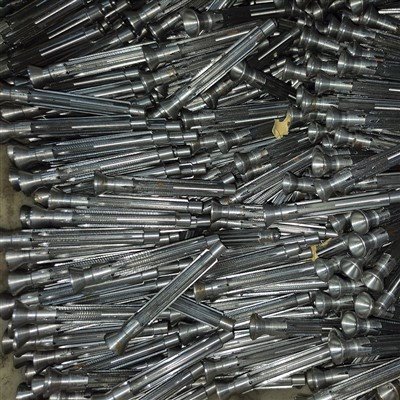
If you’re working on a transmission repair, replacing worn parts, or just want to make sure your current transmission is running right, don’t cut corners on lubrication. The right fluid is just as important as the quality of the gears, bearings, and clutches you install. We carry a full line of transmission parts and the corresponding special lubricants to fit every make and model, from passenger cars to heavy-duty trucks. Whether you’re a DIY mechanic working on a weekend project or a fleet manager needing parts for multiple vehicles, we can help you get the right components and the right lubrication to get the job done right. Don’t wait until your transmission fails to address lubrication— reach out to us today to discuss your needs and make sure you’re using the best products to protect your transmission parts.
Transmission Gears References
Society of Automotive Engineers (SAE) Standard J300: Engine Oil Classification.
Automotive Industries Association of Canada: Transmission Fluid Maintenance Guidelines.
Transtron Inc.: “The Role of Lubrication in Transmission Component Longevity” (technical whitepaper).
National Automotive Parts Association (NAPA): “Proper Fluid Selection for Automatic Transmissions.”
Wenling Nanfang Jingtong Gear Factory
As one of the most professional transmission parts manufacturers and suppliers in China, we also support customized service. We warmly welcome you to wholesale bulk high quality transmission parts made in China here from our factory. Also, quotation is available.
Address: Shui’an Village, Ruoheng Town, Wenling City, Taizhou City, Zhejiang Province
E-mail: jt18906566400@126.com
WebSite: https://www.jingtonggear.com/
