If you’ve ever driven down a highway, passed a small town’s edge, or even stood in a suburban neighborhood and glanced up at a tall, sleek metal tower, you’ve likely spotted a monopole tower antenna. These unassuming structures are the backbone of modern communications—they carry the cell signals that let you call your mom, stream your favorite show, and work from your coffee shop, and they support the broadcast antennas that keep local radio and TV stations on air. As a supplier who’s spent 12 years building and maintaining these towers, I can tell you: installing a monopole is just the start. The real work that keeps them running, that keeps your network connected, is consistent, careful maintenance. Too many operators think “set it and forget it” works for these towers, but I’ve seen a perfectly good monopole go dark in 18 months because of skipped upkeep. This guide is everything I’ve learned over a decade in the industry, straight from the team at The Monopole Tower to help you keep your antennas up, your signals strong, and your downtime to zero. The Monopole Tower
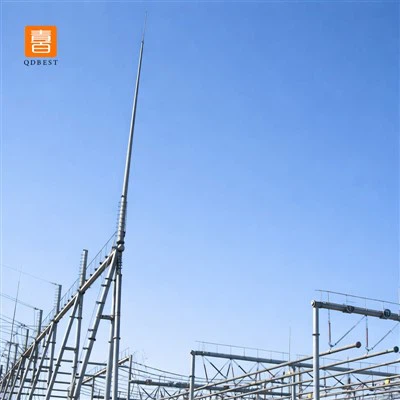
First, let’s get one thing clear: monopole tower antennas are not one-size-fits-all, and neither is their maintenance. A 60-foot monopole in a suburban neighborhood has different stressors than a 200-foot tower on a windy, coastal hill—salt air, heavy rain, winter ice, even the occasional falling tree branch all hit differently. That’s why we build every tower with site-specific designs, and maintenance should match that. You can’t use the same checklist for a coastal tower in Florida as you would for a tower in the dry plains of Texas. The first step in any maintenance routine is knowing your tower’s unique environment, so let’s start there.
Let’s break maintenance into two core categories: routine, scheduled checks that happen every few months, and proactive, annual deep inspections that catch issues before they become emergencies. Most of the problems we fix at The Monopole Tower aren’t sudden failures—they’re small, neglected issues that snowball. A loose bolt here, a corroded cable there, a patch of rust you didn’t notice—all of these can lead to signal drops, tower instability, or even full outages that cost operators thousands in lost revenue. Routine checks are your first line of defense, and they don’t have to take all day, as long as you stick to a schedule.
For routine monthly or quarterly checks, focus on the top three areas that cause 80% of common monopole issues: connections, cable health, and the antenna surface itself. Let’s start with connections. Every monopole is held together by hundreds of bolts, from the base plate that anchors the tower to the ground to the brackets that hold the antenna elements in place. These bolts aren’t “set it and forget it”—weather, temperature changes, and even the subtle sway of the tower in wind cause them to loosen over time. For example, in areas with extreme temperature swings (think Arizona or the Upper Midwest), metal expands and contracts by as much as a quarter-inch over a year. That movement works bolts loose like screws in a loose door hinge. During your monthly checks, use a torque wrench to retorque all major bolts to the manufacturer’s specifications—we always provide torque charts with every tower we sell, so save that one, it’s non-negotiable. Don’t skimp on minor bolts either; the small screws on antenna elements or cable clamps might seem insignificant, but a lost screw can shift an antenna’s alignment, which directly reduces signal strength by 10% or more.
Next, cable health. The coaxial cables that run from the antenna at the top of the tower down to the transmitter room are the lifeline of the system—they carry the signal from the antenna to the device that sends it out to users. These cables are exposed to everything: UV rays that break down their outer jacket, moisture that seeps into connectors, and rodents (yes, even on towers—field mice and squirrels will chew through cable insulation if given the chance). During routine checks, walk the cable run from top to bottom, looking for cracks, tears, or frayed outer jackets. If you spot any damage, mark it and repair it before it gets worse. Also, check all cable connectors at both the antenna and the transmitter end. Corrosion on connectors is a huge signal killer—even a thin layer of rust can increase signal loss by 5% and cause static. To clean connectors, use a dry, lint-free cloth or specialized connector cleaner (never use water or regular solvents, they leave residue that damages connections). If a connector looks too corroded to clean, replace it right away—waiting even a month can lead to a full cable failure.
The third routine check area is the antenna surface itself. Most monopole antennas are made of aluminum or steel, both of which resist corrosion, but not forever. Look at the antenna elements—they should be smooth, with no rust, dents, or debris buildup. Leaves, bird nests, or even trash caught on the antenna can block signal, and dents can throw off the antenna’s alignment, which distorts the signal shape. During quarterly checks, climb the tower (or use a drone for taller towers, which is safer and faster) to clear any debris and inspect the antenna for damage. If you see small rust spots, clean them with steel wool and apply a high-quality, weather-resistant paint—don’t let rust spread, it will eat through the metal and weaken the antenna over time.
Now, for the deep annual inspections—these are the checks that keep the tower structurally sound, not just the antenna working. I can’t stress enough how important structural integrity is for monopole towers. A tower that’s structurally unstable won’t just have bad signal; it’s a safety hazard. We’ve seen towers that leaned 10 degrees because of a corroded base plate, and that’s a risk to anyone nearby. Annual inspections should cover three key structural areas: the foundation, the tower shaft, and the lightning protection system, which is often overlooked but critical.
First, the foundation. The base of the monopole is anchored to a concrete pad (or in some cases, multiple concrete piers) that’s designed to hold the tower in place against wind, earthquakes, and ice. Over time, the ground around the foundation can shift—erosion from rain, soil settling, or even construction nearby can change the load on the base. During annual inspections, check the foundation for cracks, chips, or uneven settling. If you notice a crack wider than a quarter-inch, that’s a sign the foundation is failing, and you need to bring in a structural engineer right away. Also, check the base plate that connects the tower shaft to the concrete foundation. This plate is exposed to moisture and soil, so it’s common for it to corrode at the connection points. If you see rust on the base plate, use a wire brush to remove it, apply a corrosion-resistant coating, and tighten the anchor bolts that hold the plate to the concrete. We always recommend adding a small drainage pit around the base of the tower to keep water from pooling there—this simple step cuts foundation corrosion by 70% in high-rain areas.
Second, the tower shaft itself. For metal monopoles, the shaft is a seamless or segmented metal tube that supports the antenna. Over a year, wind, salt air (in coastal areas), and road salt (in winter) can cause corrosion on the inside and outside of the shaft. How do you check the inside? For shorter towers, you can climb the inside; for taller towers, use a small borescope camera. Look for pitting or rust on the inner walls—pitting is small, deep holes that weaken the metal, and once they start, they spread fast. If you find minor pitting, clean the area and apply a protective coating. If the pitting is deep or covers more than 10% of the shaft surface, the tower may need reinforcement or replacement of the affected section. Also, check for any signs of bending or warping in the shaft—even a small bend can mean the tower is under uneven stress, which can lead to failure during a strong wind event.
Third, the lightning protection system. Monopole towers are tall metal structures, so they’re prime targets for lightning strikes. A good lightning protection system diverts that strike safely to the ground, protecting the antenna, cables, and transmitter from damage. During annual inspections, check the lightning rod at the very top of the tower—make sure it’s straight and free of damage. Then, check the down conductor cable that runs from the lightning rod all the way down to the ground, where it connects to a grounding rod. The down conductor should be free of cuts, corrosion, or loose connections at the joints. Also, test the grounding resistance—this measures how well the system can send electricity to the ground. The ideal resistance is 5 ohms or less; if it’s higher than that, you need to add more grounding rods to lower the resistance. A faulty lightning protection system can destroy an antenna in one lightning strike, so this is not an area to cut corners on.
Beyond these scheduled checks, there are a few proactive maintenance steps you can take to extend the life of your monopole tower. First, keep a detailed maintenance log for every tower. Write down every check, every torque value, every repair you make, and any issues you find. This log helps you track trends—for example, if a tower in a coastal area keeps developing connector corrosion every six months, you can switch to salt-resistant connectors to fix the problem long-term. Second, invest in safety equipment and trained technicians. Climbing a 100-foot tower is not a DIY job—use certified technicians who know how to work at height safely, and make sure they have the right gear: harnesses, hard hats, and fall protection. Third, plan for seasonal maintenance. In winter, for example, ice and snow can add a lot of weight to the tower and antenna. Before winter hits, clear any built-up snow or ice from the antenna and check the torque on bolts, since cold temperatures make metal shrink and bolts loosen. In summer, check for overheating in the transmitter, since high temperatures can damage cables and connectors.
Wait, but let’s talk about what happens when you skip maintenance. I saw a client last year who had a 150-foot monopole tower in a coastal area in Oregon. They hadn’t done any maintenance in three years, assuming the tower was fine. When their technician finally went to do a check, he found that half the connector on the main coaxial cable was corroded, the base plate bolts were loose by 20%, and there was a 1-inch rust spot on the tower shaft near the foundation. The corrosion had caused a 15% signal loss, and the loose bolts meant the tower swayed 3 feet in 50 mph winds. Replacing the connector and tightening the bolts would have cost $2,000, but by the time they called us, the shaft was so corroded that we had to replace 20 feet of the tower, which cost them $25,000 and kept their network down for two weeks. That’s the cost of skipping maintenance. The $500 a year for routine checks would have saved them thousands.
Now, you might be wondering, who does this maintenance? Can you do it in-house, or do you need to hire a professional? At The Monopole Tower, we offer both options: we provide a full maintenance service for all the towers we sell, including scheduled checks, repairs, and annual deep inspections, and we also sell our maintenance guides and torque charts to operators who want to do their own checks. But we always recommend that for annual structural inspections, you use a third-party structural engineer, just to double-check the tower’s safety.

At the end of the day, monopole tower antennas are the quiet workhorses of communications. They don’t get the same fanfare as 5G base stations or new phone models, but they’re the reason your signal works when you’re driving through a rural area or a small town. Taking care of them isn’t just about fixing problems—it’s about keeping your network reliable, protecting your investment, and making sure your customers stay connected. If you’re in the market for a new monopole tower, or you have existing towers that need maintenance, the team at The Monopole Tower is here to help. We’ve built thousands of towers across North America, and we know what it takes to keep them running for 20+ years. Don’t wait until your next outage to check your tower—reach out to us to talk about maintenance plans, tower inspections, or new monopole installations. We’re here to make sure your antennas stay up, your signals stay strong, and your network works when you need it most.
Angle Steel Tower References
- Federal Communications Commission. (2021). Monopole Tower Maintenance and Safety Guidelines. FCC Publication 21-089.
- Telecommunications Industry Association. (2019). Standard for the Installation and Maintenance of Wireless Communications Antennas and Support Structures. TIA-222-G.
- National Association of Tower Erectors. (2020). Annual Monopole Tower Inspection Best Practices. NATE Safety Report 20-04.
- American Society of Civil Engineers. (2018). Structural Maintenance of Telecommunication Monopole Towers. ASCE Journal of Infrastructure Systems, Vol. 24, No. 3.
Qingdao BEST Steel Structure Co., Ltd.
Qingdao BEST Steel Structure Co., Ltd. is one of the most professional the monopole tower manufacturers and suppliers in China. We warmly welcome you to buy customized the monopole tower made in China here from our factory. If you have any enquiry about OEM service, please feel free to email us.
Address: Jiaobei Industrial Park, Qingdao, China
E-mail: salesmanager@qdbsstower.com
WebSite: https://www.qdbsstower.com/
