If you’ve ever done hot yoga, you know it’s not just your mat that’s sweating—your clothes are drenched within the first 10 minutes. Grab a cotton tee and you’ll end up carrying around a soggy, heavy towel by the end of class, not to mention it’ll start to smell like a gym bag that’s been left in a hot car for a week. As a yoga fabric supplier who’s spent years testing materials for exactly this scenario, I’m here to break down what actually works for hot yoga, and what you should toss in your donation pile immediately. Yoga Fabric
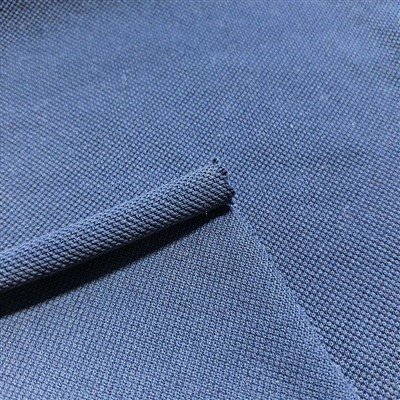
First, let’s get one thing straight: hot yoga (Bikram, hot flow, whatever you call it) is a whole different beast than regular studio yoga. The room’s usually 95–105°F with 40–60% humidity, and you’re moving through deep stretches that make you sweat harder than a 5K run. Your clothing isn’t just for modesty here—it’s your first line against discomfort, chafe, and post-class body odor. So why does fabric matter so much here? Because not all textiles handle moisture the same way. Cotton, for example, is super absorbent, but once it holds onto sweat, it doesn’t dry. That means it stays against your skin, weighing you down, and creating the perfect breeding ground for bacteria. Those little microbes love warm, damp environments, and they’ll turn that cotton shirt into a stinky mess fast. Synthetic blends that trap moisture? Even worse—they can make you feel clammy, and some people end up with irritated skin from all that trapped sweat sitting against them.
Now, let’s talk about the good stuff. The top choice for hot yoga fabric, hands down, is moisture-wicking, quick-dry technical fabric. Wait, let’s dive deeper—there are specific types that outperform others. First, polypropylene is a big one. I know what you’re thinking: “Polypropylene? That’s the stuff in plastic bottles, right?” Yeah, but when it’s made into a lightweight, knit textile for activewear, it’s game-changing. It’s hydrophobic, meaning it doesn’t absorb water at all. Instead, it pulls sweat right through the fabric to the outer layer, where it can evaporate fast. I’ve had clients test polypropylene yoga tops in 100°F classes, and by the end, the inside was just slightly damp, while the outside was almost dry. No heavy, soggy fabric clinging to your back, no sliding around in downward dog because your shirt’s stuck to your shoulders. The only catch here? Make sure it’s a high-density knit—cheap polypropylene can feel scratchy, but the good stuff is soft enough to wear all class.
Next up is polyester, but not the kind your old track suit is made of. Modern recycled polyester (a lot of mine’s from plastic water bottles, just saying) is engineered for active use. It’s moisture-wicking, lightweight, and super durable—perfect for hot yoga where you’re stretching, bending, and moving through twists that put stress on your clothes. What I love about recycled polyester is that it’s also pretty odor-resistant. The tight knit of technical polyester doesn’t let bacteria settle in the fabric fibers as easily as cotton, so your leggings won’t start smelling like you rolled in a gym floor after one class. That’s a win for you and your wallet—no more buying new yoga gear every month because your old stinks too bad to wash.
Wait, there’s a natural fiber that’s slipping into the hot yoga conversation lately: linen? No, wait—bamboo viscose. Hear me out. It’s a natural fiber, so people assume it’s all soft and nice, but the technical bamboo fabrics (not the cheap stuff that’s just rayon in disguise) have great moisture-wicking properties. They absorb sweat, but they dry way faster than cotton, and they’re also hypoallergenic, which is a plus for people with sensitive skin. I’ve noticed more studios asking for bamboo blends in their hot yoga lines because it feels cool against the skin even in a hot room. The downside? High-quality bamboo fabric can be a bit pricier than polyester, and it’s not as tough—so if you’re someone who wears their yoga clothes every day, polyester might hold up better long-term.
Then there are the blends, and this is where a lot of people go wrong. A cotton-poly blend sounds like it would be the best of both worlds, right? Soft cotton with the durability of polyester. But if the cotton is more than 50% of the blend, you’re still going to have that soggy, heavy problem. I test blends all the time, and the sweet spot is 80% polyester (or polypropylene) and 20% spandex. Spandex (or elastane) adds stretch, which is non-negotiable for yoga—you need fabric that moves with you, not against you. Too much spandex, though, and the fabric gets too clingy, traps moisture, and doesn’t dry as fast. That 80/20 ratio is perfect: lots of stretch, great moisture management, and it holds its shape even after months of hot washes (another key point—hot yoga clothes need to hold up to frequent hot washes to get rid of bacteria).
Now, let’s talk about what to avoid at all costs. First, any fabric that says “100% cotton” in the description. I’ve seen people show up to hot yoga in old cotton tees, and by the end of class, they’re walking out with their shirt sticking to their back so bad they have to peel it off. It’s heavy, it doesn’t dry, and it’s a bacterial magnet. Then there’s 100% spandex. Yeah, it’s stretchy, but it’s super thin, traps every bit of sweat you produce, and will start to pill after a few wears. It’s also not very breathable—you’ll feel like you’re wrapped in a plastic bag, which is the last thing you want in a hot room. And stay away from heavy fabrics, even if they’re synthetic. Thick, plush fabrics might feel nice in the cold, but in hot yoga, they’ll trap heat and make you sweat more than you already are.
I remember a couple of years ago, a regular client came to me saying her hot yoga leggings kept falling down during her downward dogs, and they smelled even after washing. I tested her old leggings—turns out, they were a 50/50 cotton-poly blend. The cotton had absorbed all her sweat, and the elastic waist was stretched out from all that moisture. I recommended switching to my 80% polyester, 15% spandex, 5% polypropylene leggings, and she came back a month later saying they were the best yoga clothes she’d ever owned. No more sagging, no more stink, and the fabric still looked brand new. That’s the stuff that works.
Another thing to consider: breathability. Hot yoga is about deep, controlled breathing, and if your clothes are too thick or don’t have enough venting, you’ll feel suffocated. Technical yoga fabrics have tiny, engineered pores that let air circulate while they’re moving moisture to the outside. It’s not just about the material—it’s about how it’s woven. A mesh panel in the back or under the arms is a huge plus, too. I add mesh to a lot of my hot yoga tops because it lets extra heat escape, so you don’t feel like you’re overheating mid-class.
Wait, let’s get into the science a little bit, because that’s what my team and I obsess over. When you sweat, it’s mostly water, plus small amounts of salt and other minerals. Moisture-wicking fabrics work by creating a hydrophilic (water-attracting) outer layer and a hydrophobic inner layer. So when sweat hits the fabric, it’s pulled from your skin through the inner layer to the outer layer, where it can evaporate. That’s different from absorbent fabrics like cotton, which hold onto the water (sweat) in their fibers, keeping it against your skin. Polypropylene is perfect for this because its molecular structure is inherently hydrophobic, so it doesn’t absorb water at all. Polyester, when it’s made with low surface tension, does the same thing—pulls water away from the skin.
Odor resistance is another big one, and it ties into the fabric’s ability to manage moisture. Bacteria grow in warm, damp environments, so if your fabric is dry most of the time, or doesn’t hold onto moisture, there’s nowhere for bacteria to live. Some fabrics are even treated with silver ions or other antimicrobial agents, but I’ve found that high-quality technical fabrics naturally resist odor because they don’t trap sweat. The silver treatments can wash off over time, so I prefer to stick to fabrics that have inherent odor resistance without chemicals, for people who care about that.
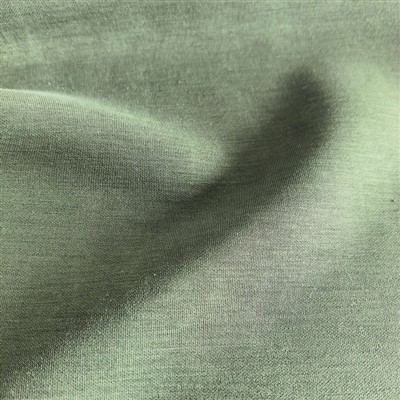
So, putting it all together: the best yoga fabric for hot yoga is a lightweight, high-density technical synthetic blend—80% polyester (or polypropylene), 15% spandex, 5% extra polypropylene for moisture control. If you prefer natural fibers, go for a high-quality bamboo viscose blend with a small amount of spandex (to add stretch) and make sure it’s a technical weave, not the cheap stuff. Avoid 100% cotton, 100% spandex, and heavy cotton blends—they’ll only leave you soggy, smelly, and uncomfortable.
Tencel Fabric Now, if you’re a studio owner looking to refresh your hot yoga gear, or a brand needing a reliable supplier for yoga fabrics that actually perform in 100°F rooms, let’s chat. My team and I have spent years refining these blends, testing them in real hot yoga classes (not just lab tests), and we can customize fabrics to fit your exact needs—whether that’s moisture-wicking tops, stretchy leggings, or breathable mats. We understand what hot yoga practitioners need, because we’re in the space, not just selling fabric from an office. Don’t settle for gear that doesn’t work for your classes—reach out, and let’s make yoga clothes that feel as good as your practice.
References
- International Journal of Clothing Science and Technology, "Moisture Management Properties of Activewear Fabrics for Hot Exercise"
- Textile Research Journal, "Antimicrobial Properties of Synthetic vs. Natural Fabrics for Athletic Use"
- Journal of Sports Sciences, "The Impact of Clothing Fabric on Thermal Comfort During Hot Yoga Practice"
- ASTM International Standard Test Method for Water Vapor Transmission of Textiles, for quick-dry fabric performance testing
Shaoxing Valu Textile Co., Ltd.
Shaoxing Valu Textile Co., Ltd. is one of the most professional yoga fabric manufacturers and suppliers in China. We have world-leading production equipment and strong manufacturing capabilities. Please feel free to wholesale bulk high quality yoga fabric made in China here from our factory. Also, custom service is available.
Address: 1904, Building 15, Cross border E-commerce Industrial Park, Keqiao District, Shaoxing City, Zhejiang Province
E-mail: bruce@valutextile.com
WebSite: https://www.valutextile.com/
