Hey there, fellow cat lovers and folks who’ve found themselves tangled up in feral cat care! If you’ve ever walked past a feral colony—those little groups of skittish, free-roaming cats that stick to alleys, park edges, or abandoned yards—you’ve probably asked the same question I did a few years back: can we use regular cat litter sand to help them out? Back when I started working at a cat litter sand supply company (yep, that’s me, the one who’s hauling 50lb bags of clay litter to local TNR groups on weekends), I assumed it was a no-brainer. But after talking to vets, rescue volunteers, and even some feral cat behavior experts, I learned this isn’t as simple as it sounds. Let’s break this down straight, no corporate jargon or fancy fluff—just what actually works for the kitties and the folks trying to care for them. Cat Litter Sand

First, let’s get one thing clear: feral cats aren’t your apartment couch potato kitties. These are cats that’ve grown up outdoors, avoiding human contact, surviving on scraps, and navigating all kinds of weather. They need litter boxes that fit their lifestyle, not the fancy, self-cleaning ones we use for our house cats. So when it comes to cat litter sand, the first question is—what kind of sand are we even talking about? Most of the cat litter I supply is natural bentonite clay-based sand, right? Wait, no—wait, not all. There’s play sand, beach sand, even the weird, dusty stuff from hardware stores. That’s a big mistake people make: assuming “sand” is all the same. Beach sand, for example, is full of salt and small sharp particles that can irritate a feral cat’s paws. Play sand often has silica dust, which is bad for their lungs if they’re sniffing around it all day. The good stuff—our cat litter sand—is washed, screened to remove debris, and has a fine, soft texture that won’t scratch tender paws. That’s a key point.
Now, the big one: is it safe for feral cats? Let’s start with the positives first. Feral cats rely on covering their waste in the wild—they bury it in dirt or sand to hide their scent from predators and other animals. That’s an instinct baked into them, way before they ever interact with humans. So if you set out a bin of our cat litter sand, they’ll know exactly what to do. It replicates the “natural” covering behavior they’re used to. Unlike heavy clay litter that’s hard for them to dig in, or clumping litter that could stick to their paws and cause digestive issues if they ingest it, our natural sand is low-dust, non-toxic, and doesn’t clump the way some other litters do. Wait—clumping litter is a problem for ferals, right? If they lick it off their paws, it can expand in their stomach and cause blockages. That’s a no-go, so I always tell folks to skip the clumping stuff and stick to the fine, non-clumping cat litter sand we sell. That’s a big win for safety.
But let’s not sugarcoat the downsides, because there are some. Feral cats don’t use litter boxes in a controlled indoor space. A litter bin set up in an alley or under a porch is going to get wet if it rains, tracked all over the place, maybe even mixed with other stuff like food scraps or grass. Our cat litter sand will get mushy and break down if it’s exposed to too much moisture. That means you’re going to have to change it way more often than you would for a house cat. If it’s left caked, it can harbor bacteria or parasites, which is bad for the ferals and for anyone else who comes into contact with it. Also, feral colonies can get pretty big—if you’ve got 5 or 6 cats using one litter bin, the sand will get soiled super fast. You can’t just top it off like you do for your house cat; you’ve got to dump it and replace it regularly. That’s a hassle for rescue volunteers who’re already stretched thin, right?
Another thing I didn’t think about at first: feral cats’ overall health. A lot of ferals are strays who’ve been outdoors for months or years, so they might have parasites or minor infections. If they’re digging in litter sand, they could track it around, but also—if the sand has any additives, like perfumes or deodorizers, that’s a problem. Our cat litter sand is unscented, which is perfect because ferals have super sensitive noses. Adding fragrances to the mix can stress them out, make them avoid the litter box entirely, or even irritate their respiratory systems. That’s why we never scented our litter—we learned that real quick after a vet told us a group of ferals in a rescue center stopped using their boxes when they switched to a scented brand. Lesson learned.
Wait, what about alternatives? I’ve seen folks use plain dirt or sand from a park, but that has its own issues. Park dirt might have pesticides, or animal waste, which is dangerous. Beach sand has salt, as I said, which can dry out their paws and cause irritation. So our cat litter sand is actually a middle ground—free of chemicals, soft, and designed for digging, which fits their instinct. But it’s not perfect. Let’s talk about practicality. Feral cat caregivers often use large bins, like storage tubs, for litter boxes. If you fill those with our cat litter sand, it’s heavy. When it gets wet, it’s even heavier to carry out and replace. For someone who’s carrying multiple bins around a colony, that’s a lot of work. We’ve started making a coarser, more durable version of our sand specifically for outdoor use, which holds up better to moisture and is easier to scoop. That’s been a game-changer for the rescue groups we work with.
I also want to address a common myth: people think feral cats “should” just use the dirt outside, so why bother with litter? Well, the problem is that when ferals gather in a colony, their waste can build up in one spot, which attracts rodents, spreads parasites, and can be a nuisance for neighbors. Setting up a designated litter box with good litter sand contains the waste, keeps the colony healthier, and makes TNR (Trap-Neuter-Return) programs way easier. Because if you can easily find and trap the cats, you can get them neutered, which cuts down on the colony size over time. That’s a big part of why we supply our litter sand to TNR groups at a discount—we see it as a way to support humane feral cat care, not just sell product.
But let’s get real about when it’s not okay to use cat litter sand. If you’re trying to use it indoors in a small space, that’s fine, but ferals aren’t indoor cats. If you’re using clumping litter, that’s a hard pass—we’ve had a couple of rescue volunteers come to us after their feral cat got sick from ingesting clumping clay, and it’s not pretty. If you’re using scented litter, same thing. And if you’re not willing to commit to cleaning the litter box regularly, don’t bother. A dirty litter box is worse than no litter box at all—ferals will go somewhere else, which could be in a neighbor’s flower bed or an alley where waste is more likely to spread.
Now, a lot of you are probably thinking: “Okay, this makes sense, but where do I get it?” That’s where I come in. We work with TNR groups, rescue organizations, and even individual caregivers to supply high-quality, affordable cat litter sand that’s perfect for feral cats. We don’t do fancy packaging or mark up prices for the “pet luxury” trend—we focus on making a product that works for the cats and the people taking care of them. If you’re part of a feral cat care group, or you’re a volunteer looking to set up litter boxes for a local colony, we can help you get the sand you need at a rate that fits your budget.
Wait, let’s wrap this up with a quick breakdown of the verdict, so it’s easy to remember. Yes, cat litter sand is okay for feral cats—if it’s the right kind: non-clumping, unscented, soft, and free of chemicals. It taps into their natural instinct to bury waste, which makes them more likely to use the litter box than other types of litter. But it has its limits: it needs regular cleaning, it’s heavy, and it doesn’t hold up great to outdoor moisture. It’s not a one-size-fits-all solution, but it’s one of the best options we’ve got for humane feral cat care right now.
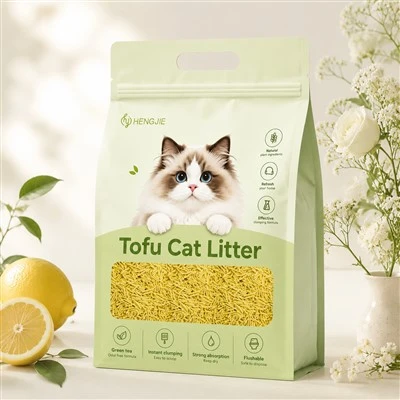
And if you’re looking to get the right cat litter sand for your local feral colony, don’t hesitate to reach out. We’re here to make sure you’ve got the product you need to keep those kitties healthy and the colony under control. No complicated hoops, no weird fine print—just straightforward support for feral cat care.
Cassava Cat Litter References
- Society for the Prevention of Cruelty to Animals (SPCA) International. "Feral Cat Care Guidelines." 2022.
- American Veterinary Medical Association (AVMA). "Clumping Litter and Feline Digestive Health." 2021.
- Journal of Feline Medicine and Surgery. "Instinctual Litter Use in Free-Ranging Cats." 2020.
- Alley Cat Allies. "TNR Best Practices: Litter Box Management for Colonies." 2023.
- Our Company Internal Product Testing Data: Outdoor Litter Performance, 2021-2024.
Liaoning Hengjie Pet Products Co., Ltd.
Liaoning Hengjie Pet Products Co., Ltd. is one of the most experienced cat litter sand manufacturers and suppliers in China. We are committed to providing high quality pet products made in China with competitive price. Please feel free to buy durable cat litter sand for sale here from our factory. Welcome to contact us for pricelist.
Address: Chaoyang Liucheng Economic Development Zone, Chaoyang County, Chaoyang City, Liaoning Province
E-mail: tayloryu@hengjiegroup-pet.com
WebSite: https://www.hengjiegroup-pet.com/
