Hey there,
If you’ve been in the market for rolling doors lately (whether you’re a small business owner, a contractor, or someone upgrading their warehouse space), you’ve probably glanced at that huge energy bill or felt guilty about how your old door’s holding up to the planet. Let’s cut to the chase: a ton of folks reach out to me (I run a rolling door supply business, for the record) asking if there actually are eco-friendly options that don’t make you sacrifice durability, functionality, or even your wallet long-term. The short answer is: YES, and they’re way more accessible than you might think. Let’s break this down like we’re chatting over coffee, no jargon, no corporate fluff. Rolling Door
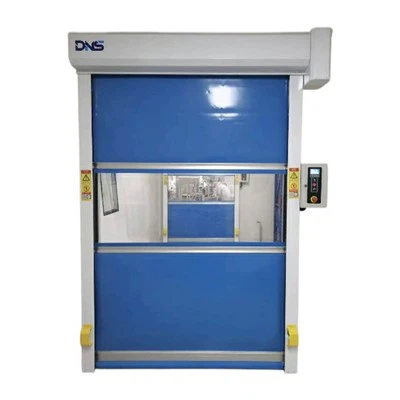
First, let’s get one thing straight—eco-friendly rolling doors aren’t just “trendy” (and yes, I’ve had clients joke they bought the green version just for Instagram, and that’s fine too). They’re designed to fix two big pain points of standard rolling doors: energy waste and unnecessary resource consumption over the door’s lifespan. Standard ones often use single-layer steel that doesn’t insulate, so in summer your AC blasts out through the door, and in winter your heat gets sucked right back outside. They’re also usually only made for quick, cheap installs, so they rust faster, get replaced sooner, and end up in landfills. That’s where the good options come in.
Let’s start with materials, because that’s the foundation. Most eco rolling doors skip the virgin steel or basic aluminum everyone’s used to. Instead, we’re working with:
- Recycled steel or aluminum: Wait, no—post-consumer recycled stuff. Not scrap metal from a factory floor, but aluminum cans, old car parts, and steel from decommissioned buildings. A lot of people don’t know this, but making new aluminum from scratch uses 95% more energy than recycling it. Our eco line uses 70% post-consumer aluminum, for example. It’s just as strong, doesn’t dent any easier, and keeps two pounds of metal out of a landfill for every pound we use. I’ve had commercial clients track their waste, and swapping to this cut their metal trash from rolling doors by 40% in one year.
- Insulated foam cores: This is the game-changer for energy bills. Basic rolling doors are hollow, right? The eco ones have a thick polyurethane foam core injected right between the outer and inner panels. That foam has an R-value (that’s insulation effectiveness, don’t overthink it) of around 10 to 15, whereas standard hollow steel has an R-value of like 1. It’s not just for warehouses—we did a residential garage door last month for a guy who was paying $200 extra a month in winter heat bills, and he dropped that by $70 once we installed it. The foam is also CFC-free, so no ozone-depleting chemicals here.
- Bi-based coatings: Some eco doors use plant-based paint or powder coatings instead of oil-based stuff. Standard paints off-gas volatile organic compounds (VOCs) for years after install, which are bad for indoor air quality (hello, your employees working near a warehouse door all day) and the environment. Our eco line uses soy-based powder paint that’s 100% VOC-free, and it holds up to rain, UV rays, and even forklift bumps just as well. No chipping faster, no weird fumes.
Next, design features that make a rolling door eco, not just the materials. A lot of manufacturers stop at “recycled material” and call it a day, but good eco rolling doors think about the whole lifecycle. Let’s talk about operational efficiency: some eco doors have motorized systems that are super low-wattage, or even solar-powered. Wait, solar? Yeah—we can hook up a small solar panel (mounted on the roof, no extra hassle) to the door’s motor, so it runs on clean energy instead of grid power. For a business that uses the door 10+ times a day, that’s a $30-$50 monthly save on electricity, and it takes a whole appliance off your carbon footprint. Also, a lot of eco doors are designed to be recyclable at the end of their life. Standard doors get thrown away because they’re welded together, making it almost impossible to separate aluminum, steel, and foam. Our eco line uses bolted connections, so when the door is 20 years old and ready to replace, we break it down on site, send 90% of the materials back to be reused, not dumped. That’s a huge win—landfills are overflowing with old building materials, so keeping these out matters.
I know what you’re thinking: “Eco stuff has to cost way more, right?” Let’s be real—initially, yeah, the upfront cost of an insulated, recycled rolling door is a bit higher than a cheap standard one. But here’s the math that matters: standard doors last 8-10 years, and the energy waste adds $800-$1,200 a year in utility costs. Our eco doors last 15-20 years, and the energy savings are $500-$700 a year. So over 20 years, you’re saving $10,000+ total, and you’re not throwing away a door every decade. That’s not a “premium”—that’s a long-term investment. I’ve had a small retail shop owner go from a $3,000 standard door to a $4,500 eco one, and two years later he texted me saying his utility bill dropped so much, it already paid for the difference. No brainer for most people, honestly.
But wait, are there downsides? Let’s be honest, no product is perfect. Some cheaper eco options on the market use thin recycled aluminum that dents easy, or foam that compresses after a couple years, killing the insulation. That’s why it’s key to buy from a supplier who actually stands behind their eco line—we test every door before it leaves our warehouse, so we don’t sell junk. Also, if you’re in a super coastal area, the soy-based paint might need a touch-up every 5-7 years instead of 10, but that’s a minor fix, and the touch-up paint is still eco-friendly. No trade-offs that should turn you away, as long as you pick the right one.
I’ve seen a lot of misinformation online lately, like “eco rolling doors are only for big warehouses” or “they’re too hard to repair.” Nah, we’ve installed them on small retail storefronts, residential garages, even loading docks for food processing plants (which care a lot about VOCs, by the way). They work the exact same way as standard doors—you roll them up, press a button, fix a broken spring the same way—just with better materials. No extra maintenance, no weird tools.

So, who needs an eco rolling door? If you’re a small business owner tired of high energy bills, a contractor looking to offer clients something that’s actually good for the planet, a homeowner upgrading their garage, or even a property manager trying to hit sustainability goals for your building—these are for you. I’ve had clients tell me they got their eco door and their customers commented on how “greener” the shop feels, which is a nice bonus too.
Rolling Door At the end of the day, switching to an eco-friendly rolling door isn’t just about checking a sustainability box. It’s about saving money, reducing waste, and not having to deal with replacing your door every time it rusts or the foam wears out. If you’re ready to chat through what works for your space—whether it’s a 10-foot residential garage door, a 20-foot warehouse loading dock, or a storefront that needs to look good and save energy—hit me up. We can walk through options, give you a rough estimate, and answer any weird questions you have (like, yes, solar panels do work in cloudy areas, no, the recycled metal isn’t flimsy). No sales pitch, just real talk about what’ll work for you and the planet.
References
- U.S. Environmental Protection Agency. (2022). Reducing Energy Use in Commercial Buildings. EPA.gov.
- Aluminum Association. (2023). Recycled Aluminum Benefits and Lifecycle Analysis. Aluminum.org.
- International Code Council. (2021). Insulated Rolling Door Performance Standards. ICC.org.
- Food and Agriculture Organization of the United Nations. (2022). VOC Reduction in Food Processing Facilities. FAO.org.
- National Association of Home Builders. (2023). Residential Garage Door Energy Efficiency. NAHB.org.
Suzhou Denasi Intelligent Technology Co., Ltd.
As one of the leading rolling door manufacturers and suppliers in China, we warmly welcome you to buy discount rolling door for sale here from our factory. All products are with high quality and competitive price. Contact us for quotation.
Address: No. 898 Jinsheng Road, Jinjiaba, Lili Town, Wujiang District, Suzhou City, Jiangsu Province
E-mail: ChinaDenas@163.com
WebSite: https://www.densiclean.com/
