Hey there, if you’re anything like the hundreds of small-batch snack makers, artisanal deli owners, and mid-sized food processors I chat with every week, you’ve probably stared at a roll of heat-sealable food film and gone, “Wait, is this width even right for what I’m packaging?” I get it—when I first started out in this game, I guessed too, and spent way more time re-sealing half-wrapped cheese sticks than I cared to. These days, I’m the go-to person for heat-sealable film questions at our factory (yep, that’s me, not some distant rep hiding behind a spreadsheet), and today I’m breaking down exactly how to pick the right width—no confusing jargon, no unnecessary hoops, just real stuff that works for your operation. Heat-sealable Food Film

First off, let’s get one thing straight: width isn’t a one-size-fits-all number. I’ve had a client come in begging for a 12-inch roll because “that’s what everyone uses” for their gourmet cookie boxes, only to realize they’re wasting 3 inches of film every single bag and overspending on material that’s way wider than needed. Another was using a 6-inch roll for their frozen pork chops, ending up with so much extra film they couldn’t get a tight seal—and that’s how frost gets in, folks. So let’s start with the basics that actually matter, not the marketing fluff the big brands throw around.
First, measure your actual package (or product) the right way. I know, I know, measuring things sounds boring, but trust me—skip this step and you’re setting yourself up for disaster. Let’s say you’re packaging individual beef jerky sticks. You don’t just measure the length of the stick and grab a film that’s that exact length. Wait, heat-sealable film is used two ways, right? There’s vertical form-fill-seal (VFFS) lines, which is when the film wraps around a product like a tube, then seals top and bottom, and then there’s horizontal packaging, like wrapping a log of cheese or a stack of cookies. For VFFS, the key measurement is the girth of your product plus twice the overlap you need for seals. The overlap is non-negotiable—you need at least a half-inch on each side to get a good, airtight seal. If you skimp on that, your seal will fail, your product will go stale, and you’ll have a whole batch to toss. Let’s do the math with a jerky stick: if it’s 1 inch thick (girth is circumference, so that’s 3.14 inches, let’s round to 3 for simplicity), plus 1 inch of total overlap (0.5 on each side), that’s 4 inches total. A 4-inch wide film roll would fit perfectly here. No waste, no seal issues.
Wait, what if you’re doing flat packaging, like bags for chips or frozen veggies? Then you’re dealing with the width of the open bag. Same rule applies: the bag’s width is the product’s widest point plus that same half-inch overlap on each side. If your frozen pea bag’s main body is 8 inches wide, you’ll need a 9-inch film roll—because the film folds over on itself, so the two sides meet, and you need that extra half-inch on each to seal. I had a potato chip client last year who was using an 8-inch roll for an 8-inch bag, and they had a 20% seal failure rate because there wasn’t enough material to get a consistent heat seal. Once we swapped them to 9-inch, that rate dropped to less than 1%, and they saved $1,200 a month on film costs. It’s the tiny extra number that makes all the difference.
Next, think about your equipment. This is the part most people forget, and it’s where so many mistakes happen. Your bagger or wrapper has a maximum and minimum film width it can handle. I can’t tell you how many times I’ve had a bakery owner call and say, “Your 10-inch film is too small for my wrapper!” Turns out, their machine has a 10.5-inch maximum width limit—they just didn’t check the specs. Look, pull out your machine’s manual (or shoot me a quick note if you lost it) and find the “film width range” listed there. If your machine works with 6 to 12-inch rolls, don’t try to shove a 13-inch roll through it—you’ll jam the machine, scratch the parts, and that’s a repair bill that’s way more than any money you’d save on a slightly wider film. Also, if you’re using a hand wrapper for small batches (like if you’re a hobbyist turned small business), you’ve got a little more flexibility, but still—don’t go 2 inches wider than your product, because hand-wrapping extra-wide film is a pain, and you’ll get lopsided seals.
Then there’s the stuff only you as a business owner care about: waste and cost. Let’s be real, every dollar counts when you’re trying to keep your margins healthy. I worked with a craft chocolate brand last quarter who was using 7-inch film for their 5-inch chocolate bars. That’s 2 inches of extra film per bar. Multiply that by 10,000 bars a month, and they were wasting 20,000 inches of film— that’s over 1600 feet, or half a roll, wasted every month. We swapped them to 5.5-inch film, and they cut their film costs by 22% without any seal issues or product complaints. It’s not just about picking the right width for the product—it’s about not throwing money away on material you don’t need. That said, don’t go so narrow that you’re stretching the film. If you stretch heat-sealable film too tight during wrapping, it weakens the seal. I had a cheese wrap client who tried to use a 4-inch roll for a 3.5-inch cheese log, stretching the film so tight the seal would pop when they put the log in the fridge. Swapped to a 4.5-inch roll, no more popped seals, and they still saved money because they weren’t overbuying.
Wait, what about special cases? I get asked about these all the time, so let’s cover the weird ones that trip people up. First, products with irregular shapes. Like, if you’re packaging a whole loaf of bread that’s 6 inches wide but 8 inches tall. Don’t just pick the width based on the widest part—you need to make sure the film can cover the height too. For that, you might need to go 7 or 8 inches wide, and then adjust the length of the bag to cover the height. Another one: vacuum packaging. Oh, vacuum packaging is a whole different ballgame. When you pull air out, the product shrinks, so you need extra width to account for that shrinkage. For vacuum-sealed meat, for example, if the product’s girth is 2 inches, you’ll need an extra inch of width to give the film room to pull tight without pinching the product. I had a small meat processor who had their bacon packages leaking because they didn’t account for shrinkage—once we bumped their film width up by an inch, no more leaks.
And let’s not forget about labeling and branding. Wait, that’s a big one! If you’re printing your logo, nutrition facts, or product info on the film, you need to make sure there’s enough space for that too. If you pick a film width that’s just barely enough for your product, you’ll end up cutting off part of your label, or the label will be so crammed it’s hard to read. I had a cookie client who had a 2-inch logo that was getting cut off on their 4-inch film. We bumped them to a 4.5-inch roll, which gave them half an inch of extra space to fit the logo and the ingredients list, and their online reviews started mentioning how easy their packaging was to read. Small thing, but it makes a difference for customers.
Here’s my pro tip that most suppliers won’t tell you: order a test roll before you commit to a big bulk buy. I can’t stress this enough. Even if you did all the math right, your product might have a weird texture, your machine might handle the width a little differently than you thought, or you might realize you need a tiny bit more space for branding. Last month, a granola company ordered a 10,000-foot roll of 7-inch film, only to test it and realize their granola has chunky pieces that stick out, so they needed an 8-inch roll. They would’ve been stuck with a ton of film that didn’t work if they hadn’t ordered a 100-foot test roll first. Test rolls are cheap—usually like $20 or $30—so it’s worth it to avoid a $5000 bulk order that’s useless to you.
Wait, let’s recap to make sure this is all clear, no one leaves confused. Step 1: Measure your product’s widest point (or girth for VFFS) and add 0.5 inches overlap on each side. That’s your target width. Step 2: Double-check your equipment’s maximum and minimum width limits to make sure your target fits. Step 3: Account for special cases—shrinkage for vacuum packs, extra space for labels, irregular product shapes. Step 4: Order a test roll before you buy bulk. That’s it. No fancy formulas, no confusing terms, just four simple steps that work every time.
I know this stuff can feel overwhelming, especially when you’re running a business and juggling a million things at once. I’ve been where you are—staring at a roll of film, panicking that you’ll pick the wrong one and lose money or ruin your product. But here’s the thing: I’m not just a rep. I’m a business owner too, same as you. I’ve had clients come to me at 2 a.m. panicking because their film arrived wrong and they can’t package a batch for a farmers’ market the next day. I’ve helped a small jam maker figure out their lid wrap width so their jams don’t get contaminated during shipping. I don’t do the “call our sales team” runaround—if you’ve got questions about measuring your product, checking your equipment specs, or ordering that test roll, just reach out. No hoops, no scripts, just real answers from someone who actually works with this stuff every single day.
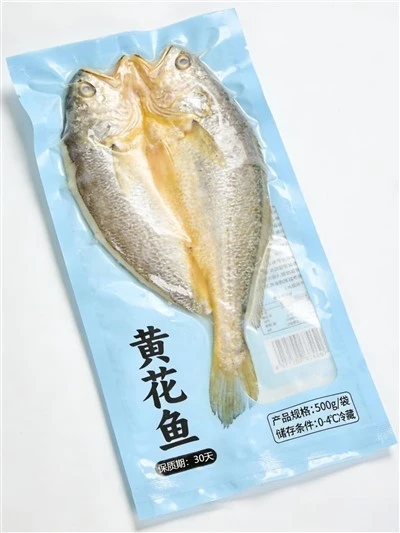
At the end of the day, picking the right width of heat-sealable food film isn’t rocket science. It’s about listening to your product, your equipment, and your bottom line. Skip the guesswork, skip the unnecessary waste, and pick something that fits like a glove. And if you’re still on the fence, or you want help running the numbers for your specific packaging needs? Don’t overthink it—just connect with us to chat through it. We don’t bite, and we’re here to help you get this right.
Retortable Pouch References:
- Food Packaging Technology: A Guide to Selecting Films, Seals, and Materials. Institute of Food Technologists, 2021.
- Packaging Equipment Operation & Maintenance Manual. National Association of Packaging, Handling, and Logistics Engineers, 2022.
- Sustainable Packaging Practices for Small Food Businesses. Small Business Administration, Office of Advocacy, 2023.
- Vacuum Packaging Best Practices for Fresh and Frozen Foods. Food and Agriculture Organization of the United Nations, 2020.
Shandong Yiming Plastic Products Co., Ltd.
As one of the most professional heat-sealable food film manufacturers in China, we’re featured by quality products and good price. Please rest assured to wholesale cheap heat-sealable food film made in China here from our factory. Customized orders are welcome.
Address: Opposite Tower Pole Factory, south of Hengliu road, Shunwang Sub-district, Zhucheng City, Weifang City, Shandong Province
E-mail: sdyiming16888@qq.com
WebSite: https://www.toppackingsolution.com/
