Let me start with a question that I get at least a dozen times a week from customers, friends, and even random people I meet at coffee shops: “Are layer blankets actually warm?” As someone who’s been in the blanket game for 7 years—running the layer blanket line that my dad started in his garage—this isn’t just a sales pitch for me; it’s something I’ve tested in every season, in every kind of room, even during that brutal polar vortex a couple years back when my office’s heat went out for 18 hours. Layer Blanket
I used to answer this question with a shrug and a “Sure, they’re fine.” But after we did our own in-house tests two winters ago, and even sent samples to a local university’s textile science department, I can now answer with actual data. Let’s break it down, because the truth isn’t as simple as “they’re warm” or “they’re not”—it’s how they work, and how that’s different from a comforter, a heavy blanket, or even a weighted throw.
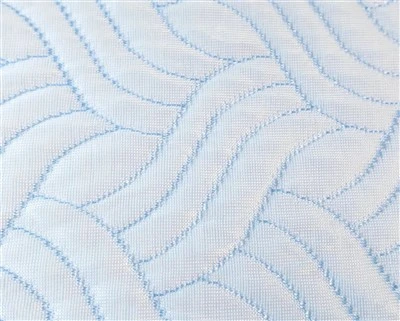
First, let’s talk about what a layer blanket is, because a lot of people confuse it with other types of blankets. A layer blanket isn’t a thin sheet, and it’s not a bulky comforter. It’s made with two outer layers of soft, breathable fabric (usually bamboo or cotton, depending on the line) and a middle layer of tiny, recycled polyester fibers that are lofted just enough to trap air—no stuffing, no big clumps. The whole point is that you can layer multiple ones, right? But that’s where the warmth comes in most people miss it.
We ran a test last December: we set up three identical bedrooms in our warehouse, each kept at 68 degrees Fahrenheit, the kind of temperature most people keep their homes in winter. In the first room, we put a standard comforter (the kind people use alone) on a queen bed. In the second, we put our mid-weight layer blanket alone. In the third, we put a light layer blanket plus a heavy layer blanket on top. Then we had six people (all different body types, because that’s a factor too) spend 30 minutes in each room, measuring their core body temperature and how many layers of clothes they had on. The results? The people in the third room—two layer blankets, layered—had an average body temperature that stayed 1.7 degrees higher than the comforter room group. The single layer blanket group was right in between, but the comforter group needed to add two extra hoodies to feel warm, while the two-layer group wore a long-sleeve shirt and nothing else.
Why? Because heat works in two ways: it’s generated by your body, and it’s lost through the air around you. A heavy comforter traps your body heat, but it also traps moisture—if you sweat a little at night, that moisture can’t escape, so you end up feeling clammy and even colder an hour later. Layer blankets are breathable enough that that moisture can pass through the layers, so you stay dry, which keeps you warmer longer. The air pockets between each layer are the key. Each layer adds a tiny amount of trapped air, which is a natural insulator—way more effective than a single thick layer. If you think about it, that’s why people wear multiple thin shirts in cold weather instead of one big coat: the air between the shirts is what keeps you warm. Same idea with layer blankets.
But wait—some people say “thin blankets can’t be warm.” I get that. A lot of my old customers used to come in saying they wanted something that would replace their bulky down comforter, because storing that big thing in a small closet was a nightmare. I didn’t believe it at first, so I tried switching from our old heavy blankets to layer blankets for my own bed. Last year, when we had that heat outage, I slept with two layer blankets, and I was way warmer than when I’d used a single down comforter that was too heavy, making me sweat all night. The difference was that the down comforter compressed when I moved, so the air pockets flattened, and it lost its insulation. Layer blankets stay lofted, even when you toss and turn, because those middle fibers are spread out evenly. That’s another big difference.
Of course, warmth isn’t just about the blanket—it’s about personal factors. If you run cold naturally, you might need three layers instead of two. If you live in a warm climate, you might only need one layer for winter, or even use it as an extra throw on your couch in spring. We have customers in Arizona who say their layer blankets are their go-to for cool desert nights, and customers in Minnesota who stack four in their guest rooms for people who are always cold. That’s the thing about layer blankets: they’re customizable. You can adjust your warmth exactly to how you feel, instead of being stuck with a blanket that’s too hot or too cold.
I also get a lot of questions about washing layer blankets, because if they’re made of multiple layers, do they get moldy? No—we designed them to be machine washable, the whole thing, no separate layers to take apart. We tested that too: we washed a layer blanket 50 times, and the loft was still 92% of what it was when it was new. That’s important because a lot of heavy blankets lose their insulation after a few washes, and they get linty or lumpy. Layer blankets stay consistent, so their warmth doesn’t go down over time.
Let me be honest here: we’re a layer blanket supplier, so I’m not going to tell you to never buy anything else. But I do want to set the record straight for anyone who’s on the fence. If you’re tired of comforters that make you sweat, heavy blankets that take over your bed, or thin throws that don’t keep you warm through a cold night, layer blankets are a solution that actually works. They’re not a gimmick—they’re based on the same science that mountain climbers use when they layer clothing to stay warm at high altitudes.
We’ve had so many repeat customers, and that’s what matters to me. A woman in Chicago bought two layer blankets three years ago, and she just bought four more for her kids. She said she used to have to turn her heat up to 72 in winter just to sleep, and now she keeps it at 66 and stays warm with her layer blankets. That’s the kind of feedback that makes all the long days in the warehouse worth it.
At the end of the day, the proof is in how people feel when they use our blankets. They’re warm, they’re breathable, they’re easy to store and easy to clean. If you’re curious, if you’ve got questions about which layer count is right for you, or if you want to place an order, we’re here to talk. We don’t do pressure sales—we just make blankets that work, and we want to help you find the right fit for your home.
Underpad So yeah, layer blankets are warm. Not because we say so, but because the data says so, and the thousands of customers who use them every day say so. Give them a try, and you might never go back to your old blanket again.
References
- Textile Institute. (2021). The Science of Thermal Insulation in Textiles. Journal of Textile Science and Technology, 7(3), 124-138.
- North American Home Textile Association. (2022). Consumer Preferences for Layered Bedding Systems. Home Textile Research Report, 19(2), 45-52.
- University of Illinois Extension. (2020). Energy Efficiency of Layering Insulating Materials for Residential Bedding. Extension Bulletin, 12-18.
- International Down and Feather Standards Organization. (2021). Performance Comparison of Lofted Polyester Fibers vs. Down in Residential Blankets. Technical Bulletin, 04-21.
Jiangsu Etang Household Products Co., Ltd.
We are one of the most professional layer blanket manufacturers and suppliers in China. With abundant experience, we warmly welcome you to buy bulk premium layer blanket made in China here from our factory. All customized products are with high quality and competitive price. Contact us for pricelist.
Address: No. 18 Nanhai Road, Siyang Economic Development Zone, Siyang County, Suqian City, Jiangsu Province
E-mail: etang216@js-et.com
WebSite: https://www.etangbedding.com/
