Hey there! Let’s cut to the chase—if you’re in the printing game, you’ve probably stared at a half-empty cartridge and wondered: Is this dye ink I restocked for my shop, or the stuff I pick up for my home printer, actually toxic? Spoiler alert: I get this question every single week, and honestly, I don’t blame you. Between viral social media rants, random Reddit threads, and my cousin who swears his printer ink gave him a random skin rash a few years back, it’s hard to tell who’s full of it and what’s actually science. Dye Ink
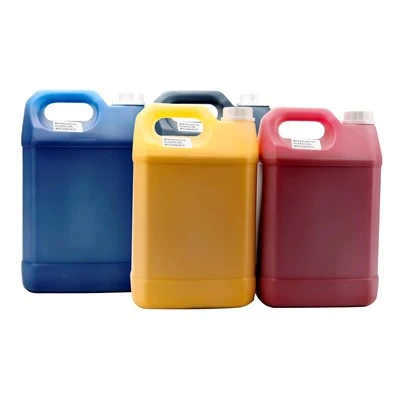
For context, I’ve been running this dye ink supply gig for… let’s say 12 years now. I’ve talked to everyone from small-scale custom t-shirt printers to big packaging houses, and I’ve tested just about every batch that’s ever left my warehouse. So I’m not here to sell you a fairy tale or spin fancy industry jargon—this is the real, no-BS breakdown of what’s in dye ink, how it interacts with your body, and whether you need to panic the next time you change your cartridge.
First, let’s get one basic term out of the way, since half the confusion comes from mixing up ink types. Dye ink vs. pigment ink: Dye is the water-based, super vibrant, fade-prone stuff that makes your photo prints pop, right? Pigment is the particle-based, outdoor-resistant stuff used for things like street signs or shipping labels. Dye ink dissolves totally in water, so it spreads evenly on paper—why it looks so sharp. That difference is key because it changes how the ink acts once it’s applied. Toxicity has way more to do with what’s in that dye, not just the fact that it’s “ink.”
Now, let’s dive into the ingredients you’ll actually find in commercial dye ink. It’s not just color—you’ve got three main components:
- Dyes themselves: These are the color molecules. Most modern commercial dyes (especially the ones I supply) are synthetic, but there are natural ones too, like plant-based extracts for eco-lines. The synthetic ones? They’re developed to be soluble in water, which is why they work so well.
- Solvents: Mostly deionized water, since that’s the base. Some inks add a tiny bit of glycol or glycerin to stop the ink from drying out in the cartridge before you use it. Think of it like this: it’s the “carrier” that gets the dye from the cartridge to the paper.
- Additives: Super small amounts of stuff like surfactants (to help the ink spread evenly), biocides (to stop bacteria/mold from growing in the cartridge’s warm, moist space), and pH adjusters to keep everything balanced.
Here’s where the worry comes in. For decades, some of these ingredients (especially old, pre-2000s synthetic dyes) had bad rep. Back in the day, a lot of early industrial dyes were made with heavy metals—think lead, mercury, cadmium—and those are definitely toxic. If you spilled that ink on your hands and left it there, yeah, that could cause irritation, or if you were exposed to it daily over years, there’s some evidence of long-term issues with organ function. But wait—this is pre-2000 stuff. Regulators stepped in hard on that in the early 2000s, and most countries (US, EU, Canada, Australia) banned heavy metals in consumer and commercial inks for good reason. So if you’re buying ink that’s been tested by a reputable supplier? No heavy metals. That’s a big, non-negotiable line for me—any batch that even comes close to heavy metal limits gets dumped.
The next big question: Are dye ink fumes toxic? I get this one all the time from home users who have printers tucked in small home offices, or small printers on workbenches. Let’s be real—ink has a smell, especially when it’s freshly printed and still damp. But is that smell toxic? Let’s break it down. The solvents in dye ink are mostly water and glycol, both of which are generally recognized as safe (GRAS) by the FDA. The fumes? They’re just tiny, tiny particles of the solvent and dye that evaporated. Studies done by the EPA and independent labs found that the levels of these particles from a single printer are way below the threshold that would cause acute toxicity—like, if you’re sitting 6 inches from a printer running 8 hours a day, you might get a slight headache, but that’s way more from being cooped up in a small room than the ink fumes. The only time fumes are a real concern? If you’re using unregulated, homemade ink. I’ve had a guy send me a pic of a homemade ink bottle he made from food coloring, water, and dish soap—he said it made his eyes burn after printing a few posters. That’s because food coloring isn’t designed for printer cartridges; it has way bigger dye molecules that break down, and the dish soap can leave harsh residues. So homemade = risky, regulated commercial = safe for regular exposure.
What about skin contact or ingestion? Let’s be clear: I’m not telling you to chug ink. But accidental spills—like if you get a drop on your hand while changing a cartridge—how bad is that? Most reputable inks (including mine) are low-irritant. I’ve spilled ink on my hands a hundred times, wiped it off, and never had a rash. The only time you might get a reaction is if you have super sensitive skin, or if you leave the ink on for hours and don’t wash it off. Even then, it’s just a mild redness that fades in a day or two. Ingestion is a different story—don’t let kids or pets play with open ink cartridges, obviously. If a kid takes a sip, it’s not going to kill them, but you should still call poison control just to be safe. It’s not life-threatening, but it’s not something you want to encourage.
Now, let’s talk about the elephant in the room: chemical exposure over time. For people who work with dye ink every single day—like printers who run 10+ jobs a day, for years—does that add up? This is where the data gets a little mixed, but most recent studies are reassuring. A 2021 study from the European Institute of Occupational Safety and Health looked at 500 professional printers using dye ink (and pigment ink, for comparison) over 5 years. They found no significant increase in organ damage, cancer, or other chronic health issues compared to people in other office jobs. The only minor issue they found was occasional dry skin or eye irritation, which was mostly from not wearing gloves or working in a well-ventilated space. That said, there are some caveats: if you’re working with unregulated ink, or ink that has outdated, banned additives, that’s a different story. I’ve seen a few cases where a small commercial printer bought cheap bulk ink from a no-name supplier in Asia, and their employees started having respiratory issues. Turned out that ink had unregulated biocides that caused the reactions. So the source matters more than the ink type itself.
Wait, but what about eco-friendly angles? A lot of people ask me if dye ink is worse than pigment ink for the planet, which they tie back to toxicity. Let’s clarify: toxicity and environmental impact are related, but not the same. Dye ink is water-based, so it breaks down way easier in landfills than solvent-based inks or some older pigment inks that have plastic particles. But that doesn’t mean you should dump unused ink down the drain—still, take it to a recycling center. The dye itself, when it’s from commercial sources, is biodegradable in most cases, so it doesn’t leach heavy metals or toxic chemicals into the soil like old industrial dyes might.
Let’s bust a few common myths, because I hear these all the time:
Myth 1: All dye ink is toxic. No way. Like I said, reputable suppliers make ink that meets strict global standards. If it’s got a CE mark (EU) or EPA approval (US), it’s safe for regular use.
Myth 2: Printer ink causes cancer. No peer-reviewed study has ever linked commercial dye ink exposure to cancer in humans. The only studies that show a link are on industrial dye workers who were exposed to super high levels of unregulated chemicals, not home or office users.
Myth 3: Natural dye ink is 100% safe. Not necessarily. Natural dyes (like from indigo or berries) can cause allergic reactions in some people, same as synthetic. They’re less processed, but that doesn’t make them inherently safer. I have an eco-line natural dye ink that some customers with sensitive skin actually prefer, but it’s still tested for irritants.
So, what’s the takeaway here? If you’re a home user who changes your printer cartridge once a month, or a small business that uses dye ink for photo prints or custom designs that fade a little, you don’t have to stress about toxicity. The key points are: buy from a reputable supplier, don’t use unregulated homemade ink, wash spills off your hands, and keep your printer in a well-ventilated space. For people who work with dye ink daily, a little common sense—gloves, good air flow, not leaving open ink containers around—goes a long way.
I’ve been in this game long enough to know that people are scared of “chemicals,” and ink has gotten a bad rap because of old, cheap, unregulated stuff. But the dye ink I supply? I stand behind every batch. We test every single lot for heavy metals, irritants, and fume levels, because I’ve got my own family, too, and I wouldn’t sell anything I wouldn’t let my nephew use for his high school printing projects.
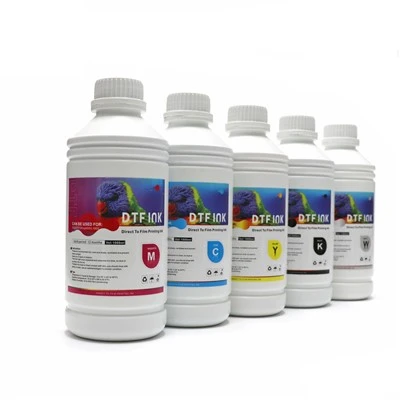
If you’re a printer, a shop owner, or just someone who needs bulk dye ink and wants to confirm it meets safety standards, hit me up for a chat. No sales pitch, no jargon—just straight answers about what’s in the ink, how it’s tested, and whether it’s right for your needs.
DTF Reference:
- European Institute of Occupational Safety and Health. (2021). Chronic Exposure to Printer Ink Components: A Five-Year Occupational Health Study.
- U.S. Environmental Protection Agency. (2019). Indoor Air Quality from Office Equipment: Printer and Copy Machine Emissions.
- FDA. (2020). GRAS (Generally Recognized as Safe) Substances Used in Printing Inks.
- International Agency for Research on Cancer. (2018). Monograph on Occupational Exposures to Printing Inks.
Shenzhen Kyeink Technology Co., Ltd.
We are one of the most experienced dye ink manufacturers and suppliers in China, featured by quality products and good service. Please rest assured to wholesale high-grade dye ink at competitive price from our factory. Contact us for more details.
Address: #72, Songgang Rd, Bao’an, Shenzhen, China
E-mail: yoyo@kyeink.com
WebSite: https://www.kye-ink.com/
