Selecting the right portable riveting equipment is a crucial decision that can significantly impact the efficiency, quality, and overall success of your riveting operations. As a seasoned riveting equipment supplier, I understand the challenges you face in navigating the vast array of options available in the market. In this blog post, I will share some essential considerations and practical tips to help you make an informed choice and find the perfect portable riveting equipment for your specific needs. Riveting Equipment

Understanding Your Riveting Requirements
Before diving into the selection process, it’s essential to have a clear understanding of your riveting requirements. Consider the following factors:
- Riveting Application: Determine the type of riveting applications you will be performing. Are you working on sheet metal fabrication, automotive assembly, aerospace components, or electronic devices? Different applications may require specific types of riveting equipment and rivets.
- Rivet Size and Material: Identify the size and material of the rivets you will be using. Rivets come in various sizes, shapes, and materials, such as aluminum, steel, copper, and stainless steel. The riveting equipment you choose should be compatible with the rivet size and material you need.
- Production Volume: Consider the volume of riveting operations you will be performing. If you have high-volume production requirements, you may need a more powerful and efficient portable riveting equipment. On the other hand, if you have low-volume or occasional riveting needs, a more basic and affordable option may be sufficient.
- Workspace and Mobility: Evaluate the workspace where you will be using the portable riveting equipment. If you need to move the equipment frequently or work in tight spaces, you may want to choose a lightweight and compact model. Additionally, consider the power source options available in your workspace, such as battery-powered, pneumatic, or electric.
Types of Portable Riveting Equipment
There are several types of portable riveting equipment available in the market, each with its own advantages and limitations. Here are some common types:
- Handheld Rivet Guns: Handheld rivet guns are the most basic and commonly used type of portable riveting equipment. They are lightweight, easy to operate, and suitable for low-volume riveting applications. Handheld rivet guns are available in manual, pneumatic, and electric versions.
- Battery-Powered Rivet Guns: Battery-powered rivet guns offer the convenience of cordless operation, making them ideal for mobile or remote work. They are typically lightweight and easy to carry, but they may have limited power and runtime compared to pneumatic or electric models.
- Pneumatic Rivet Guns: Pneumatic rivet guns are powered by compressed air and offer high power and speed. They are suitable for high-volume riveting applications and can handle larger rivets. However, they require a compressed air source, which may limit their portability.
- Electric Rivet Guns: Electric rivet guns are powered by electricity and offer a good balance between power and portability. They are suitable for a wide range of riveting applications and can be used in both indoor and outdoor settings. Electric rivet guns are available in corded and cordless versions.
- Impact Riveters: Impact riveters use a hammering action to set rivets quickly and efficiently. They are suitable for heavy-duty riveting applications and can handle large rivets. Impact riveters are typically powered by compressed air or electricity.
Key Features to Consider
When choosing portable riveting equipment, it’s important to consider the following key features:
- Power and Performance: Look for a riveting equipment that offers sufficient power and performance to meet your riveting requirements. Consider the pulling force, stroke length, and rivet setting speed of the equipment.
- Ergonomics and Comfort: Since you will be using the riveting equipment for extended periods, it’s important to choose a model that is ergonomic and comfortable to hold. Look for features such as a comfortable grip, lightweight design, and adjustable handles.
- Durability and Reliability: Invest in a high-quality riveting equipment that is built to last. Look for a model that is made from durable materials and has a reputation for reliability. Consider the warranty and after-sales support offered by the manufacturer.
- Versatility and Compatibility: Choose a riveting equipment that is versatile and compatible with a wide range of rivet sizes and materials. This will allow you to use the equipment for different types of riveting applications and reduce the need for multiple tools.
- Safety Features: Safety should always be a top priority when using riveting equipment. Look for a model that has safety features such as a trigger lock, overload protection, and a safety guard to prevent accidents and injuries.
Evaluating the Supplier
In addition to considering the features and performance of the riveting equipment, it’s also important to evaluate the supplier. Here are some factors to consider:
- Reputation and Experience: Look for a supplier with a good reputation and extensive experience in the riveting equipment industry. Check online reviews, testimonials, and references to get an idea of the supplier’s reliability and customer service.
- Product Range and Availability: Choose a supplier that offers a wide range of portable riveting equipment to meet your specific needs. Make sure the supplier has the products you need in stock and can provide timely delivery.
- Technical Support and Training: A good supplier should provide technical support and training to help you get the most out of your riveting equipment. Look for a supplier that offers online resources, user manuals, and video tutorials, as well as on-site training if needed.
- Pricing and Value: Compare the prices of different suppliers to ensure you are getting the best value for your money. However, don’t just focus on the price alone. Consider the quality, performance, and features of the riveting equipment, as well as the supplier’s reputation and customer service.
Making the Right Decision
After considering all the factors above, it’s time to make the right decision and choose the portable riveting equipment that best meets your needs. Here are some tips to help you make an informed choice:
- Research and Compare: Do your research and compare different models and brands of portable riveting equipment. Read reviews, watch videos, and consult with experts to get a better understanding of the features, performance, and prices of the equipment.
- Test and Demo: If possible, try out the riveting equipment before making a purchase. Most suppliers offer product demonstrations or allow you to test the equipment in their showroom. This will give you a hands-on experience and help you determine if the equipment is suitable for your needs.
- Consider Your Budget: Set a budget for your riveting equipment purchase and stick to it. However, don’t compromise on quality and performance just to save money. Look for a balance between price and value.
- Seek Professional Advice: If you are unsure which portable riveting equipment to choose, seek professional advice from a riveting equipment supplier or an industry expert. They can provide you with valuable insights and recommendations based on your specific needs and requirements.
Conclusion
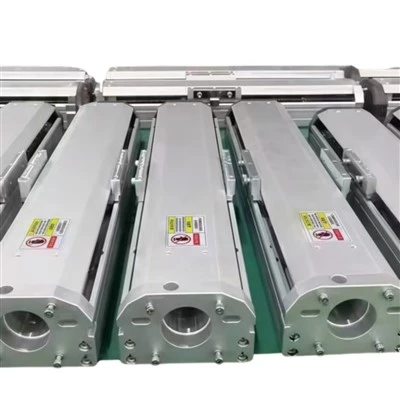
Choosing the right portable riveting equipment is a critical decision that can have a significant impact on your riveting operations. By understanding your riveting requirements, evaluating the different types of portable riveting equipment available, considering the key features, evaluating the supplier, and making an informed choice, you can find the perfect portable riveting equipment for your specific needs.
Assembly Equipment If you have any questions or need further assistance in choosing the right portable riveting equipment, please don’t hesitate to contact us. Our team of experts is available to help you find the best solution for your riveting needs. We look forward to the opportunity to work with you and help you achieve your riveting goals.
References
- ASME Boiler and Pressure Vessel Code, Section IX: Welding and Brazing Qualifications
- ASTM International Standards for Fasteners and Rivets
- Manufacturer’s product manuals and specifications for portable riveting equipment
Yangning (Xiamen) Intelligent Technology Co., Ltd.
With abundant experience, we are one of the most professional riveting equipment manufacturers in China. As we have world-leading production equipment and strong manufacturing capabilities, we warmly welcome you to buy bulk advanced riveting equipment from our factory. Customized orders are welcome.
Address: Room 307-2, No. 15 Duiying Road, Software Park Phase III, Torch Hi-Tech Zone, Xiamen, Fujian, China
E-mail: mia@ynautos.com
WebSite: https://www.ynautos.com/
