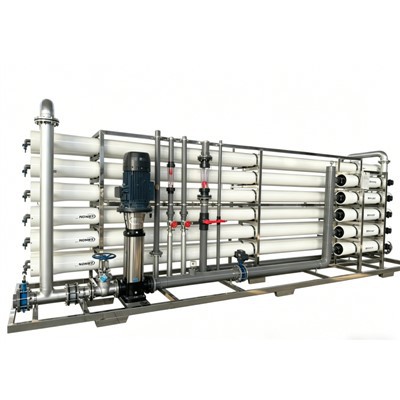
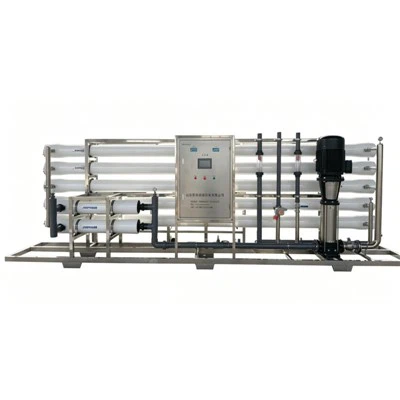
Transportation requirements for SWRO (Seawater Reverse Osmosis) equipment are crucial aspects that every SWRO & BWRO (Brackish Water Reverse Osmosis) Equipment supplier, like myself, needs to understand thoroughly. In this blog, I’ll delve into the key transportation requirements for SWRO equipment, covering various factors from packaging to handling and shipping modes. SWRO & BWRO Equipment
Packaging Requirements
Proper packaging is the first line of defense for SWRO equipment during transportation. The equipment often consists of delicate components such as membranes, pumps, and control systems, which are vulnerable to damage from physical impacts, vibrations, and environmental factors.
- Customized Crating: SWRO equipment is typically large and heavy, and standard packaging may not provide adequate protection. Customized wooden crates are commonly used to ensure a snug fit for the equipment. These crates are designed to withstand the rigors of transportation, including stacking and rough handling. The crates are reinforced with sturdy frames and padding materials to absorb shocks and prevent damage.
- Moisture and Corrosion Protection: Since SWRO equipment is often used in marine environments, it is essential to protect it from moisture and corrosion during transportation. The equipment is usually wrapped in moisture – resistant materials such as plastic sheets and sealed with desiccants to absorb any moisture that may enter the crate. Additionally, metal components are coated with anti – corrosion agents to prevent rusting.
- Labeling: Clear and accurate labeling is crucial for proper handling and identification of the equipment. Each crate should be labeled with information such as the equipment name, model number, weight, dimensions, handling instructions, and destination. This helps the transportation personnel to handle the equipment correctly and ensures that it reaches the intended destination without any issues.
Handling Requirements
Proper handling of SWRO equipment is essential to prevent damage during transportation. The equipment should be handled with care at every stage, from loading to unloading.
- Trained Personnel: Only trained and experienced personnel should be involved in the handling of SWRO equipment. They should be familiar with the equipment’s specifications, weight, and handling requirements. Specialized lifting equipment such as cranes and forklifts should be used to lift and move the equipment. The operators of these equipment should be properly trained and certified to ensure safe handling.
- Loading and Unloading: During loading and unloading, the equipment should be placed on a stable surface. The crates should be lifted and moved in a way that minimizes the risk of tipping or dropping. When loading the equipment onto a truck or a container, it should be secured properly to prevent shifting during transit. Straps, braces, and other securing devices should be used to hold the equipment in place.
- Avoiding Rough Handling: Rough handling can cause significant damage to the SWRO equipment. The equipment should not be dropped, banged, or subjected to excessive vibrations. During transportation, the vehicle should be driven carefully to avoid sudden stops, starts, and sharp turns.
Shipping Modes
The choice of shipping mode depends on various factors such as the size and weight of the equipment, the distance to the destination, and the urgency of delivery.
- Ocean Freight: Ocean freight is a common choice for transporting SWRO equipment, especially for long – distance shipments. It is cost – effective for large and heavy equipment. However, it has a longer transit time compared to other shipping modes. When shipping by ocean, the equipment is usually loaded into containers. The containers are then transported on cargo ships. Specialized containers may be required for SWRO equipment to ensure proper ventilation and protection.
- Air Freight: Air freight is a faster option for transporting SWRO equipment, especially for urgent orders or when the equipment needs to be delivered quickly. However, it is more expensive than ocean freight. Air freight is suitable for smaller components or spare parts of SWRO equipment. The equipment should be properly packaged to meet the airline’s requirements for weight and dimensions.
- Road and Rail Freight: Road and rail freight are often used for domestic or regional transportation of SWRO equipment. Road freight offers flexibility in terms of delivery locations and can be used for both small and large equipment. Rail freight is more suitable for large – scale shipments and can be a cost – effective option for long – distance transportation within a country.
Documentation Requirements
Proper documentation is essential for the transportation of SWRO equipment. It ensures compliance with regulations and facilitates the smooth movement of the equipment through customs and other checkpoints.
- Bill of Lading: The bill of lading is a legal document that serves as a receipt for the goods being shipped. It contains information such as the name of the shipper, the consignee, the description of the goods, the quantity, and the destination. The bill of lading is required for both ocean and air freight shipments.
- Customs Documentation: When shipping SWRO equipment internationally, customs documentation is required. This includes a commercial invoice, a packing list, and a certificate of origin. The commercial invoice provides details about the value of the equipment, while the packing list lists the contents of each crate. The certificate of origin indicates the country where the equipment was manufactured.
- Insurance Documentation: It is advisable to purchase insurance for the SWRO equipment during transportation. The insurance documentation should clearly state the coverage, the value of the equipment, and the terms and conditions of the insurance policy. This provides protection against loss or damage during transit.
Environmental Considerations
Transportation of SWRO equipment also has environmental implications. As a responsible supplier, it is important to consider these factors and take steps to minimize the environmental impact.
- Fuel Efficiency: When choosing a shipping mode, fuel efficiency should be taken into account. Ocean freight is generally more fuel – efficient than air freight for long – distance shipments. Additionally, modern shipping vessels and vehicles are designed to be more fuel – efficient, reducing the carbon footprint.
- Recyclable Packaging: Using recyclable packaging materials can help reduce waste. Wooden crates can be reused or recycled after the equipment has been delivered. Plastic sheets and other packaging materials should be made from recyclable materials whenever possible.
In conclusion, understanding the transportation requirements for SWRO equipment is essential for a SWRO & BWRO Equipment supplier. By ensuring proper packaging, handling, choosing the right shipping mode, and having the necessary documentation, we can ensure that the equipment reaches our customers in good condition. If you are in the market for SWRO or BWRO equipment and have questions about transportation or any other aspects, I encourage you to contact me for a detailed discussion and to explore potential purchasing opportunities.
Industrial RO Equipment References:
- "Handbook of Seawater Desalination" by William A. Anderson
- "Transportation Logistics: Principles, Practices, and Trends" by John J. Coyle
Shandong Yanuo Environmental Protection Equipment Co., Ltd.
We’re well-known as one of the leading swro & bwro equipment manufacturers and suppliers in China, featured by quality products and good price. Please rest assured to buy bulk swro & bwro equipment made in China here from our factory. Customized orders are welcome.
Address: North Side of the Road, 1,000 Meters West of the Intersection of Fenghuangshan West Road and Provincial Highway S102, Wangfu Subdistrict, Qingzhou City, Weifang City, Shandong Province.
E-mail: ynhb.499973983@gmail.com
WebSite: https://www.zkyaruo.com/
