Hey folks, let’s cut to the chase – if you’re running an ag sprayer operation or running a farm that relies on sprayers to get the job done, picking the right chemicals for your spray tank is way more than just grabbing the first bottle from the shelf. As someone who’s been in the sprayer supply game for almost 12 years, I’ve seen way too many folks mess this up: wrong chemical mix, bad compatibility, wasted cash, or even worse, crop damage. Today, I’m breaking down the real, no-BS steps to select ag sprayer chemicals that actually work, no fluff, no jargon you can’t use. Agricultural Sprayer

First off, let’s start with the basics that way too many people skip over: what’s your end goal here? Are you killing weeds, zapping bugs, treating fungal blight, or doing a combo? I had a customer last season – a small corn farmer in central Illinois – who tried to mix a grass herbicide with a broadleaf fungicide just to “save a trip” and ended up with stunted corn. Why? Because those two don’t play nice. If your goal is weed control, don’t waste money on a fungicide that’s never gonna touch a dandelion. And for crop safety, align the chemical with your crop type, growth stage, and even the local weather. Like, if you’re spraying tomatoes that are just setting fruit, a lot of old-school insecticides can leave residues that mess with fruit development – you need a selective, crop-specific option there. That’s step one: lock in your specific need before you even look at chemical labels.
Next up, compatibility checks – this is the big one that 60% of sprayer-related issues boil down to, trust me. Let’s be real, most of you are tank mixing to save time and money, not hauling three separate sprayers around the farm. But not every chemical gets along. The first rule here is always check the label first – every single reputable chemical manufacturer prints a compatibility chart right on the bottle or their SDS (Safety Data Sheet) for a reason. But labels can be vague, so here’s the trick I teach: if you’re mixing two new chemicals, do a small “jar test” first. Grab a clear quart jar, add half the water you’d normally use, pour in each chemical, shake it up, let it sit for 15 minutes. If it separates into layers, has clumps, or gets cloudy, don’t put that mix in your spray tank. I saw a guy in Iowa last year skip the jar test, dumped a mix that clumped up, plugged his sprayer nozzles, and spent 3 hours on his knees unclogging instead of spraying – total waste of a Saturday. Also, don’t mix a pesticide with a fertilizer unless the label explicitly says it’s okay. Fertilizers have salts that can react with chemicals, turn ’em useless, or worse, burn your crops.
Then, there’s nozzle type and spray volume – these two tie directly to your chemical selection, and way too many people treat ’em as separate things. Let’s keep this simple: if you’re using flat-fan nozzles for coverage on leafy weeds, you need a chemical that’s made for foliar absorption. Those systemic herbicides need to stick to the leaf, not run off it. If you’re using hollow-cone nozzles for fungicides that need to coat every part of the plant, pick a chemical that spreads well, not one that clumps up and only covers the top. Also, pay attention to spray volume. If you’re using a low-volume spray setting (like 10 gallons per acre), don’t pick a chemical that’s designed for high volume (30 gallons per acre) – it’ll dilute too much and not work. My team fields calls every week from guys who got bad results because they mismatched nozzle and chemical, and it’s so avoidable.
Now, let’s talk about adjuvants – the unsung heroes of spray chemicals. Adjuvants are those little add-in products that aren’t pesticides, but they make your chemicals work way better. Sticker adjuvants help the chemical stick to waxy leaves (like lambsquarter or milkweed) so it doesn’t wash off if it rains an hour after you spray. Activator adjuvants break down the wax on leaves so the chemical can absorb faster. But here’s the mistake: too many people add an adjuvants “just in case” when they don’t need it. If your chemical already has a built-in adjuvant (a lot of pre-mixed ones do), adding another can mess up the mix. For example, some glyphosate products already have a surfactant built in – add an extra surfactant, and you can end up with too much, which burns the crop. Always check the chemical label for adjuvant recommendations before you toss one in the tank.
Crop safety is non-negotiable, right? You’re not just buying chemicals to kill something – you’re buying chemicals that won’t mess up your crop. First, stick to pre-emergent vs post-emergent. Pre-emergent chemicals stop weeds from sprouting, so you spray them before the weeds come up. Post-emergent works on weeds that are already growing. If you spray a post-emergent on a young seedling crop, it’ll kill it. I learned this the hard way early in my supply days – I recommended a customer use a generic post-emergent on young soybeans, and he lost 10 acres. I felt terrible, but I learned: always confirm the chemical is labeled for your specific crop and its growth stage. Also, watch the temperature. If you spray a herbicide when it’s over 85°F, it can volatilize (turn to gas) and drift to adjacent crops – like if you’re spraying corn herbicide near a neighbor’s vegetable garden, that drift can kill their tomatoes. The label will have temp limits, so don’t ignore ’em.
Then, there’s brand vs generic – a question I get all the time. A lot of guys think generic chemicals are the same as name brands, just cheaper. But here’s the thing: generics sometimes have different inert ingredients that can change compatibility or performance. I’m not saying generics are bad – some are identical to name brands – but you need to do your research. If you’re used to working with a certain name brand herbicide and want to switch to a generic, do the jar test first, and maybe test it on a small corner of your farm before spraying the whole field. Name brands usually have more consistency, which matters for sprayer operators who need reliable results every time. For small farms, generics can be a great way to save money, but test ’em out first to avoid surprises.
Wait, also, let’s not forget about environmental factors. Your local area’s soil type, rainfall, and even wind matter. If you have sandy soil, a pre-emergent herbicide will leach faster, so you might need a higher rate or a product that binds to soil better. If your area gets a lot of light rain shortly after spraying, a contact herbicide that works on the surface will be washed away, so you want a systemic one that absorbs into the plant faster. And wind – always check the local wind forecast before spraying, no matter what chemical you’re using. Even drift retardant adjuvants can’t stop a 15+ mph wind from carrying chemicals where they shouldn’t. I always tell customers: if wind’s over 10 mph, reschedule. It’s not worth the headache.
Now, let’s circle back to who you’re working with. As a sprayer supplier, I don’t just sell chemicals – I help customers figure out what they need. If you’re not sure about a mix, a nozzle, or adjuvants, don’t guess. Pick up the phone, talk to someone who knows sprayers and chemicals. We’ve got a team that’s worked with every crop, every situation, and we’ve seen all the mistakes. We’ll walk you through jar tests, label checks, even help you calculate the right rate for your acreage. A lot of guys try to go it alone, end up wasting money on bad chemicals or ruining crops – that’s the stuff we’re here to help you avoid.
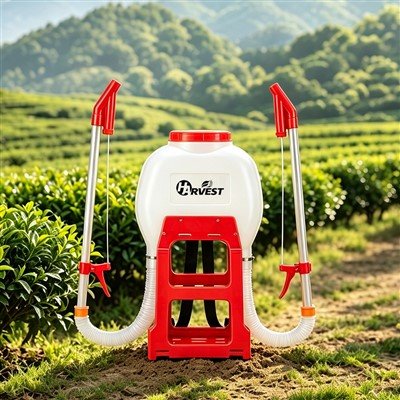
At the end of the day, selecting ag sprayer chemicals isn’t rocket science, but it does require paying attention to details that will make or break your spray season. It’s not just about grabbing chemicals off a shelf – it’s about matching your need, checking compatibility, pairing with your spray gear, protecting your crop, and knowing when to ask for help. If you’re gearing up for planting season, or just had a bad spray experience last year, we’re here to help you get it right. Shoot us a message to talk through your needs, ask questions, and get the right chemicals tailored to your farm. We’re here to make sure your sprayer works as hard as you do, without the mistakes.
Garden Sprayer References
- AgriSafe Network. (2022). Spray Tank Mix Compatibility Guide for Agricultural Pesticides.
- University of Illinois Extension. (2023). Adjuvant Use and Crop Safety in Field Crop Production.
- USDA Agricultural Marketing Service. (2021). Nozzle Selection and Chemical Application Best Practices.
- Pest Management Regulatory Agency. (2022). Crop Safety Guidelines for Post-Emergent Herbicide Use.
- Crop Science Society of America. (2023). Generic vs. Branded Agrochemical Performance in Small-Scale Farming Operations.
Taizhou Tianyi Agriculture & Forestry Machinery Co., Ltd.
As one of the most professional agricultural sprayer manufacturers and suppliers in China, our products have good reputation in the market. Please rest assured to wholesale customized agricultural sprayer made in China here from our factory. If you have any enquiry about quotation, please feel free to email us.
Address: 2988 Binkang Avenue, Taizhou Bay New District, Taizhou, Zhejiang, China
E-mail: info@cnsprayers.com
WebSite: https://www.cnsprayers.com/
