Hey everyone, thanks for stopping by my little corner of the web—this place is all about making sense of PVC processing stuff, straight from someone who’s actually in the thick of supplying PVC processing aids, not just regurgitating textbook jargon. Today’s question is one I get at least 5 times a week from our clients: “Do processing aids work for both clear and colored PVC?” Spoiler alert: it’s not a one-size-fits-all, but the short answer is yeah, they can work for both—you just have to know how they interact with the other ingredients. Let’s dive into why that matters, and what I’ve seen on the factory floor over the past 8 years of doing this. PVC Processing Aid
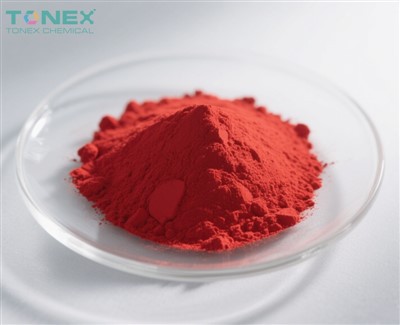
First, let’s keep it simple: PVC processing aids are these little polymer additives (usually acrylic-based, by far the most common) that do two main things when you’re molding, extruding, or calendering PVC. They speed up fusion—meaning the PVC resin particles stick together faster so your part doesn’t come out brittle or full of holes—and boost melt strength, which is super helpful for things like thin films, window profiles, or even big pipes. But clear vs. colored PVC? The core resin is the same, but the other stuff you mix in changes everything—pigments, stabilizers, fillers, the whole recipe. That’s where the confusion kicks in.
Let’s start with clear PVC, since that’s where processing aids have been used the longest, right? Clear PVC is basically just PVC resin, a heat stabilizer (usually tin-based, because tin doesn’t cloud it—lead used to be common but we phased that out for good reason), and maybe a tiny bit of lubricant. No pigments, no fillers, so the main goal here is getting that smooth, crystal-clear melt without any hazing, and keeping the material strong enough to not break when it’s being formed. I’ve worked with a lot of extrusion guys who used to skip processing aids for clear stuff because they thought it would cloud the material—turns out, that’s only true if you grab the wrong kind of aid. Like, if you use a processing aid that’s too big, or one with a different refractive index than PVC, you get tiny particles that scatter light, and boom—hazy PVC. But the right acrylic-based aid? It has almost the same refractive index as PVC (around 1.54, for both), so you add 1-3 parts per hundred resin (phr) and it doesn’t mess with clarity at all. I just got a message last week from a client who makes clear vinyl windows—they used to run without aids, and their extrusion line was only cranking out 250 lbs an hour. Switched to our PA-400 (our go-to clear-grade aid) at 2 phr, and they’re now at 400 lbs an hour, no cloudiness, no increase in rejects. That’s the win we brag about.
Now, colored PVC is where things get tricky, and where I see so many people mess up. Colored PVC has pigments—things like titanium dioxide (TiO2) for white, phthalocyanine blue for that bright blue pipe, carbon black for black wire insulation, all that. Also, sometimes fillers (calcium carbonate, to cut costs) and other additives. The big questions here: will the processing aid affect the color, and will it still speed up fusion even with all that extra stuff in there? Let’s tackle color first. Pigments are tiny, but they’re chemicals too—some are polar, some are non-polar, some are sensitive to high heat. A bad processing aid will react with the pigment, or settle in a layer separate from the pigment, leading to uneven color (like streaks in your plastic pipe) or a dull, washed-out finish. But a good processing aid is formulated to be compatible with almost all common pigments. I remember a client a couple years back who made red PVC fencing—they were using a competitor’s aid, and the red would fade after a month of being in the sun. Turned out, the competitor’s aid had a small amount of UV inhibitor that bonded with the red pigment, breaking it down. Our processing aids have no extra unneeded additives—just the acrylic polymer, so no weird reactions. They switched, and the color stayed true for 2 years in outdoor testing. That’s a huge difference.
Then there’s fusion in colored PVC. If you add a bunch of filler (like CaCO3) to PVC, it acts like a bunch of little rocks that get in the way of the PVC particles sticking together. Without a processing aid, your melt is weak, and the final part is brittle—you can snap a pipe in half with your hands sometimes. But here’s the thing: colored PVC usually needs a tiny bit more processing aid than clear PVC, right? Because all those extra ingredients slow down fusion. For clear, 1-2 phr is enough; for colored with fillers, we recommend 2-4 phr. I’ve tested this with a bunch of formulations: take a standard white PVC pipe mix (PVC resin, TiO2, CaCO3, tin stabilizer, lubricants). Run it without an aid: fusion time is 12 minutes, tensile strength of the final pipe is 4200 psi. Add 2 phr of our processing aid: fusion time drops to 7 minutes, tensile strength jumps to 5100 psi. No color change, no streaks, the line runs faster. That’s not just a theory—that’s data I got from our in-house lab last month.
Wait, but are there exceptions? Of course. I won’t lie to you—some colored pigments won’t play nice with any processing aid. For example, some organic pigments (those bright, vivid ones) are super small, and if your processing aid isn’t dispersed well, it can clump the pigment. How do you fix that? You add a tiny bit more of a dispersant along with the processing aid, or use a processing aid that’s pre-dispersed in a carrier resin, so it mixes evenly. We actually just rolled out a pre-dispersed PA grade for specialty colored PVC, and clients using it say they’ve cut streaks by 90% compared to powder aids. Also, if you’re doing something really thin, like PVC film (clear or colored), melt strength is key, and processing aids are way more important there than for thick parts. I’ve seen a clear food wrap line that switched to a processing aid and went from tearing every 10 feet to tearing every 100 feet—huge for their yield.
Another thing people forget: processing aids can actually help with color uniformity, not hurt it. Wait, how? Because if your PVC isn’t fused right, you get some areas with more resin and some with more pigment, so the color looks patchy. A good processing aid makes the entire melt consistent, so the pigment is evenly spread. I had a client who made colored PVC shoe soles—they used to have random light spots on the soles. Switched to our aid, and the light spots were gone, plus their injection molding cycle time dropped by 15 seconds per part. That’s the kind of side benefit no one sees coming.
But let’s get real about the stuff that doesn’t work. If someone tells you “all processing aids work for clear and colored PVC,” they’re lying. There are low-quality aids out there that are just recycled acrylic, not properly formulated, and they’ll cloud clear PVC, react with pigments, or do nothing at all. We test every batch of our aids in our lab: refractive index checks for clear grades, color fastness tests with 12 common pigments, fusion time measurements. We even send free samples to clients so they can test in their own lines—no pressure, just want them to see the difference. That’s how we’ve built our client base over the years: trust, not hype.
Wait, let’s talk about a common myth I hear all the time: “Processing aids make PVC more brittle.” No, that’s not true—if you use the right amount, they improve toughness. Too much? Maybe, but that’s true of almost any additive. For clear PVC, if you go over 3 phr, you might get a tiny bit of haze, but it’s negligible for most applications. For colored, too much can make the color look flat, but again, we give recommended dosage charts with every sample, so no one messes that up.
Now, let’s wrap this up with what matters for your operation. If you’re running clear PVC: pick a processing aid with a refractive index matched to PVC, dosage 1-2 phr, no extra additives. If you’re running colored PVC: make sure the aid is compatible with your pigments, add 2-4 phr (more if you have lots of filler), and test a small batch first to check for streaks or color fade. And for anyone who’s never used processing aids before—don’t be scared. We’ve helped clients go from zero aid to 10% faster line speeds, 20% less rejects, and the same or better quality for both clear and colored parts.
If you’re testing new formulations, or your current aid is giving you trouble with cloudiness or color issues, hit us up. We can send free samples, run a quick compatibility check in our lab, or just answer any questions you have—no sales pitch, just straight talk. We’ve been doing this for long enough to know that the best partnerships are when we help you solve a problem, not just sell you a product.

Oh, and one last thing—next time you see a clear PVC window that’s super smooth and never has bubbles, or a colored pipe that’s bright and uniform all the way through, there’s a good chance a processing aid was part of that recipe. It’s not magic, it’s just the right additive for the right job, whether clear or colored.
UV Absorber References
- Giles, H. F., Jr., Wagner, J. R., & Mount, E. M. (1995). Extrusion: The Definitive Processing Guide and Handbook. William Andrew Publishing.
- Karmann, K. (2002). PVC Formulating for Extrusion. Plastics Design Library.
- Modern Plastics Encyclopedia. (2019). Processing Aids for Thermoplastics. McGraw-Hill Education.
- Association of Plastics Manufacturers (APMA). (2021). Additive Compatibility in PVC: Clear vs. Colored Formulations. APMA Technical Bulletin 2021-04.
Jinan Tonex Chemical Co., Ltd.
We’re well-known as one of the leading PVC processing aid manufacturers and suppliers in China. With abundant experience, we warmly welcome you to buy bulk high quality PVC processing aid for sale here from our factory. For price consultation, contact us.
Address: No.3699 Huayuan East Road, Jinan, Shandong, China
E-mail: yama@tonexchem.com
WebSite: https://www.tonexoba.com/
