Hey there, let’s cut to the chase: if you’ve ever stood in a supplement aisle, scrolling through fruit and veg powder options, and thought “wait, which one even is right for me?” you’re not alone. As someone who’s been in the fruit and veg powder game for years—helping cafes, supplement brands, and health startups source stuff they can actually trust— I’ve seen so many people make the same mistakes. Like grabbing the cheapest tub off the shelf because it says “superfood blend” on the front, only to realize half the ingredients are filler or the nutrient content is basically zero. Today, let’s break this down like we’re chatting over a coffee (no stuffy science jargon, promise) so you can pick the right powder that actually delivers on what it says it does. Fruit & Vegetable Powder
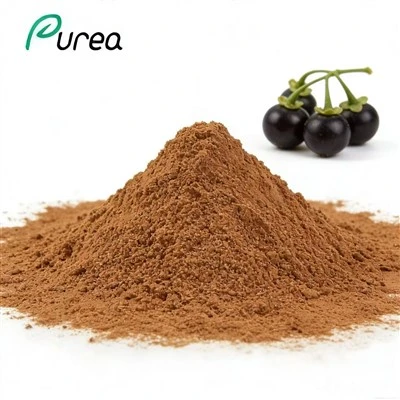
First off, let’s get one thing straight: not all fruit and veg powders are created equal. I’ve had people come to me after buying a random powder that tasted like chalk, only to find out it was made from old, oxidized produce that was sitting in a warehouse for 6 months before being dehydrated. So the first big question to ask is: where do the ingredients come from? Like, is it local? No, not just “grown in a farm”—specific places that know how to handle produce. For example, our powder sources leafy greens from family farms in the Pacific Northwest, where the soil is rich and they harvest at peak ripeness, not before or after. Why does that matter? If you pick strawberries when they’re barely red, they’ve got way less vitamin C than one that’s perfectly ripe. If they sit around too long after picking, nutrients start to break down. I once had a client test a batch of spinach powder from a big bulk supplier that had 70% less iron than our stuff because the spinach was harvested, stored cold for 2 weeks, then dehydrated—total waste, honestly.
Next, check the label for “add-ins” you don’t need. This is a trick so many brands use: they’ll load up your powder with dextrose, maltodextrin, artificial flavors, or even hidden sugars to make it taste better. Wait, why would that be bad? If you’re buying a fruit and veg powder, you want the nutrients from the produce, not added sugar that defeats the purpose. I’ve seen brands label a blend as “berry” when 2nd and 3rd ingredients are corn syrup solids. Gross. Look for labels where the only ingredients are the actual fruits and veggies—no weird stuff. Even natural sweeteners like stevia? I’d rather skip that too, because if the powder tastes so bad they need to add sweetener, they probably skimped on the real produce flavor. Our powders only have what’s grown: no fillers, no added sugars, no mystery ingredients. That’s non-negotiable for me, and it should be for you.
Wait, what about dehydration methods? That’s a detail most people skip, but it’s huge. If a brand uses high-heat drying (like above 110°F/43°C), that can kill a lot of the heat-sensitive nutrients—things like vitamin C, B vitamins, and enzymes. We use freeze-drying and low-temperature vacuum drying, which keeps 90%+ of the original nutrients intact. I remember a test we did a couple years back: same batch of kale, split into two. One was high-heat dried, one was low-temp. The low-temp one had 6x more vitamin K and 4x more antioxidants than the high-heat one. That’s a massive difference. Some brands won’t advertise their drying method, so you might have to ask—if they dodge the question, that’s a red flag. We always tell customers exactly how we process our produce, no secrets.
Another thing: is it third-party tested? Oh man, this is one that’s saved so many people from getting scammed. Third-party testing means an independent lab checks the powder for things like nutrient content, contaminants (heavy metals, pesticides, mold), and even whether the ingredients listed are actually in there. I’ve had a customer bring us a powder she bought that said “1000mg of vitamin C per serving” but the test said it was only 200mg. Wild. And some cheap powders have been found with lead or pesticides above safe limits because they sourced produce from sketchy farms. We do third-party testing every batch, and we make those results available to anyone who asks—no hoops to jump through. If a brand can’t give you a copy of their latest test, walk away.
Wait, let’s talk about how you plan to use it, because that changes everything. Are you mixing it into smoothies to boost your morning routine? Or are you using it in baked goods, or even as a supplement when you’re too busy to eat veggies? For smoothies, you might want a powder that’s lighter, not too thick, so it blends well. For baking, you need something that can hold up to heat a bit, but still has nutrients—our low-temp drying works for baking, unlike high-heat which already lost nutrients. If you’re using it as a standalone drink, taste matters! Our citrus and berry powders are super palatable on their own, but our cruciferous blend is more earthy—so don’t grab a cruciferous powder if you hate bitter tastes; mix it into something sweet. I’ve seen people buy a powder that tasted so bad they ended up not using it at all, which is a total waste. Match the powder’s flavor profile to how you’re using it.
Oh, and avoid “proprietary blends” at all costs. That’s a legal loophole brands use where they list a bunch of ingredients but don’t say how much of each is in there. Like, a label might say “proprietary fruit blend: 12g” but you have no idea if that’s 10g of apple and 2g of blueberry, or vice versa. We list every single ingredient with its exact serving amount—no proprietary garbage. That way, you know you’re getting the amount of spinach or kale you think you are. It’s transparent, simple, and way easier to trust.
Let me also add a common myth: more ingredients isn’t always better. I’ve seen blends with 50 different fruits and veggies, but most of them are in tiny amounts just to sound impressive. A blend with 5-8 high-quality, nutrient-dense ingredients (like spinach, kale, berries, apples) is way better than a 50-ingredient blend where only 3 have any real nutrients. We make single-ingredient powders (just spinach, just blueberry) and small blends (leafy green blend, berry mix) because we’d rather deliver what you need than fluff up the label. If you want a broad spectrum, mix two single ingredients yourself—way more control than a random proprietary blend.
Now, let’s circle back to being a supplier. I get that when you’re sourcing for a business—like a cafe that wants to add veg powder to lattes, or a supplement brand that needs consistent powder for their capsules, or even a gym that sells healthy snacks—you need reliability too. Can the brand deliver consistent batches? I’ve had a client tell me they switched to a cheaper supplier and every other batch was different in color, taste, and nutrient content. We have consistent suppliers, strict testing, and we can adjust to your needs—whether you want organic, non-GMO, or specific ingredient ratios. We also work with small businesses just starting out, not just big corporations, because we know how hard it is to find a powder that’s both quality and affordable.
Wait, let’s sum up the quick checklist so you don’t have to memorize everything: 1) Ask where the produce is sourced, and if it’s peak-harvested. 2) Skip powders with added sugars, fillers, or artificial stuff. 3) Check if they use low-temp drying (not high-heat). 4) Demand third-party test results. 5) Avoid proprietary blends—labels need clear ingredient amounts. 6) Match the powder’s flavor and type to how you’ll use it. That’s it, no fancy stuff.
At the end of the day, fruit and veg powders shouldn’t be a gimmick. They should be a convenient way to add nutrients to your routine without the hassle of washing, chopping, and storing fresh produce (which, let’s be real, half of the time goes bad in your fridge anyway). I’ve seen customers go from skipping veggies entirely to adding a scoop of our berry powder to their water every morning, just because it tastes good and they know it’s actually good for them.
If you’re ready to stop guessing and get a fruit and veg powder that’s transparent, nutrient-dense, and fits your needs, don’t overthink it. Reach out—we can talk through what you’re using it for, send over test samples, and make sure we get you the right product. No pressure, no sales pitch, just someone who’s been doing this long enough to know what works. Don’t waste another tub on a powder that doesn’t deliver—let’s make this easy.
Cosmetics & Daily Chemicals REFERENCES
- USDA FoodData Central. "Nutrient Retention in Fresh and Processed Fruits and Vegetables." U.S. Department of Agriculture, 2022.
- Journal of Agricultural and Food Chemistry. "Effect of Drying Method on Phytochemical Content of Leafy Greens." ACS Publications, vol. 68, no. 12, 2020, pp. 3512-3520.
- Natural Products Association. "Third-Party Testing Standards for Dietary Supplements." 2021.
- International Society of Sports Nutrition. "Fruit and Vegetable Powders as a Convenient Nutrient Source for Active Individuals." ISSN Journal, vol. 18, no. 1, 2021, pp. 45-52.
Purea(Xi’an) Chunyuanzhicui Biological Technology Co., Ltd.
As one of the most professional fruit & vegetable powder manufacturers and suppliers in China, we’re featured by quality products and good price. Please rest assured to buy bulk fruit & vegetable powder in stock here get free sample from our factory. Customized orders are welcome.
Address: Room 10713, Unit 1, Building 1, No.11, Tangyan South Road, High-tech Zone, Xi’an City, Shaanxi Province, China
E-mail: sales@pureabio.com
WebSite: https://www.purea-bio.com/
