Hey there,
Let’s cut to the chase—if you’re in the market for brush-making gear, you’ve probably stumbled on both “brush making machines” and “tufting machines” online. I get it, when you’re scrolling through specs and vendor pages, those terms sound interchangeable at first. As a brush making machine supplier who’s been in this game for over a decade, I’ve talked so many new buyers into picking the wrong gear because they mixed these two up. Today, let’s break this down like we’re grabbing coffee after a supply run—no stuffy jargon, no fluff, just real talk that’ll save you from wasting cash on gear that can’t make what you actually need. Brush Making Machine
First, let’s start with what each machine literally does, because that’s the foundation. Let’s take tufting machines first, since a lot of people mix them up with our brush making gear. Tufting machines were originally built for carpet, right? Think wall-to-wall carpet, area rugs, that shag rug you’ve got in your living room. How does that work? You take a big, roll of fabric (the “backing”) and feed it through the machine. Then, little needles punch through that backing, pulling loops of yarn through the top. Sometimes they trim those loops to make cut-pile carpet, sometimes they leave ’em as loops for Berber rugs. The key here is: tufting machines add loose, continuous yarn to a pre-existing fabric base. The yarn isn’t secured to anything but that backing, usually with a little adhesive after the fact to keep it from pulling out.
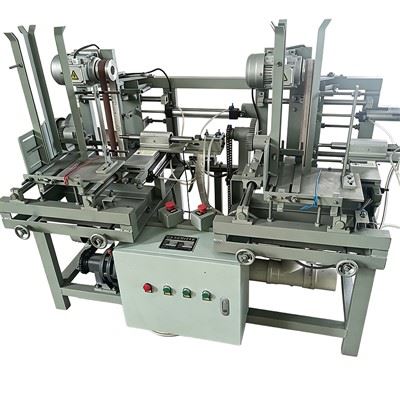
Now, our brush making machines—they’re built from day one to make brushes, plain and simple. No pre-made fabric, no big rolls of material. Instead, you’ve got a core (usually wood, plastic, or metal, depending on the brush type) and a huge spool of bristles—whether that’s natural hog hair, nylon, PET, even steel for industrial brushes. The machine’s job is to punch those bristles straight into the core, usually in a staggered pattern so they’re tight and uniform, then crimp or trim ’em to the exact length you need. Some of our higher-end models even do a secondary step: they glue the back of the bristle holes to lock ’em in, or trim the bristles so they’re all even, or add a ferrule if it’s a handheld brush like a paintbrush or toothbrush.
Wait, let’s make that concrete with examples, because abstract stuff doesn’t stick. If I tell you “tufting makes rugs,” you might still not get it. Let’s say you want to make a residential floor brush for sweeping. That’s a workhorse with a wooden handle, a plastic core for the bristles, and stiff nylon bristles packed tight. Can a tufting machine make that? No way. Because tufting needs a backing fabric—you’d have to glue that core to a piece of fabric first, which would make it bulky and way less durable than what a brush making machine churns out. The bristle depth would be uneven, too, because tufting needles can’t punch as deep as brush machine needles.
On the flip side, if you want a custom area rug? Our brush making machine can’t touch that. We don’t feed fabric rolls, we punch bristles into cores. A tufting machine is built to cover big, flat surfaces quickly—you’d use a tufting machine to make a 8×10 rug in an hour, while a brush making machine would take that same amount of time to make a thousand small dish brushes. The output speed is another big difference, but it’s tied directly to what each machine is designed to build.
Next up, the technical bits—no, not the boring kind, the kind that actually matter when you’re running a production line. Let’s talk about bristle placement and density, because that’s what makes a brush good or bad. Brush making machines can handle way more bristle patterns than tufting machines. Need a flat wall brush with long, soft bristles? Our machine’s needle heads can adjust how deep they punch, how far apart each bristle is, even if you want a row of extra stiff bristles in the middle for scrubbing. Need a curved brush for car detailing? We can tweak the core shape (or adjust the machine’s positioning) to punch bristles along a curve, which tufting machines can’t do because they work on flat, straight fabric.
Tufting machines, on the other hand, are all about loop control. They’re calibrated to make consistent loop height for carpet, so if you want a cut pile, the blades trim all the loops evenly. They can handle wide widths—like 12 feet, perfect for commercial carpeting—whereas brush making machines usually work on small to medium cores (we can do up to, say, 12 inches in diameter for large scrub brushes, but that’s a far cry from tufting’s big rolls). Another technical point: bristle retention. That’s how well the bristles don’t fall out when you use the product. Brush making machines crimp the bristles as they punch ’em in—little bend at the base of each bristle that locks it into the core—plus we add a bead of glue, so those bristles are there for the life of the brush. Tufting yarn is just looped through fabric and glued, so if you step on a rug wrong, a loop might pull out. For brushes, that’s a dealbreaker—you don’t want a bristle flying into someone’s paint can when they’re using a wall brush.
Then there’s the material flexibility, which trips up a lot of new buyers. I’ve had a few small manufacturing clients come to me after buying a “multi-use machine” that actually did neither well. Brush making machines work with almost any bristle material—stiff nylon for scrub brushes, soft horsehair for makeup brushes, steel wire for wire brushes, even recycled PET for eco-friendly dish brushes. We can adjust the needle tension to handle thin, flexible bristles or thick, heavy ones. Tufting machines? They work with yarn, mostly. The materials are fibrous, continuous strands, not stiff, cut bristles. You’d never use a tufting machine to make a paintbrush with nylon bristles—it’d tear the bristles instead of punching them in. And vice versa: our brush machine can’t handle the continuous yarn feed that tufting machines need to make carpet. We’re built for individual, cut bristle tufts, not long strands.
Wait, let’s address that “multi-use” myth, because it’s a big one. Some vendors advertise machines that do both tufting and brush making, and sure, maybe they can do a half-decent job at both, but they’re never going to match the output or quality of a dedicated machine. For example, a multi-use machine might make a small rug and a small hand brush, but the bristle density on the brush will be way lower than what a dedicated brush making machine produces, so the brush is scratchy or sheds bristles. The rug pile might be uneven because the machine isn’t calibrated for both needle types. I always tell buyers: if your core product is brushes, get a dedicated brush making machine. If it’s carpet or rugs, get a tufting machine. Don’t fall for the “one machine does everything” line—you’ll regret it.
Now, let’s talk about use cases, because that’s how you’ll know which one you need. Brush making machines are for any handheld or industrial brush that has a solid core. Let’s list ’em: dish brushes, paint brushes, wall brushes, car wash brushes, toilet brushes, industrial scrub brushes, even makeup brushes (we make specialty machines for small, precise bristles for cosmetic brands). These all have a rigid core, dense bristles, and need to hold up to repeated use—exactly what a brush making machine is built for.
Tufting machines? Their use cases are all about large, flat or flexible surfaces with continuous yarn pile. That’s residential and commercial carpet, area rugs, wall-to-wall carpeting, even some craft items like tufted wall art or tapestries. You’ll never see a tufted toilet brush—can you imagine how flimsy that would be? Or a tufted paintbrush? The yarn would never stay in place. That’s the key difference: if your product has a rigid, solid core and uses individual bristles, go brush machine. If it’s a flexible fabric base and continuous yarn, go tufting machine.
As a brush making machine supplier, I’ll be the first to tell you I’m biased toward our gear, but not in a bad way. I’ve seen too many small businesses waste their startup budget on the wrong machine because they didn’t understand the difference. Last year, a guy who wanted to start a line of eco-friendly car brushes bought a tufting machine because he thought it was “faster for brushes.” He ended up with brushes that shed so many bristles he had to rework every single one, and lost his first big order with a local car dealership. After he switched to our compact, entry-level brush making machine, he’s been hitting his production numbers and filling that dealership order three months later. That’s the kind of real story that matters—this isn’t just spec sheets, it’s your business’s success.
Let’s wrap this up with a quick cheat sheet, so you can reference it later:
- Core Purpose: Brush machines make brushes (solid core, individual bristles); tufting machines make yarn-based floor coverings (fabric base, continuous loops).
- Bristle/ Yarn Handling: Brush machines punch individual, cut bristles with crimped bases; tufting machines feed long, continuous yarn loops through fabric.
- Durability & Density: Brush machines create dense, lockable bristle packs; tufting makes looser, looped pile that’s less resilient for handheld use.
- Use Cases: Brushes (all types); carpet, rugs, tufted decor.
If you’re here because you’re ready to upgrade your brush production or invest in your first line of brushes, don’t hesitate to reach out. We can walk you through your exact needs—whether you need a compact machine for a small startup, a high-volume one for industrial brushes, or a specialty model for makeup or craft brushes. We’ve got over a decade of experience helping buyers pick the right gear, not just sell them a machine. No hard sales pitches, no hidden fees, just honest advice from someone who’s been in your shoes.
Woodworking Machinery For further reading, check these authoritative industry sources:
Brush Manufacturing: Technology, Materials, and Processes. Industrial Press Inc.
Tufting Technology for Floor Coverings. Textile Institute.
Specialty Brushes: Design, Materials, and Manufacturing. CRC Press.
Tongcheng Shengfeng Machinery Factory
As one of the most professional brush making machine manufacturers and suppliers in China, we’re featured by quality products and good service. Please rest assured to buy durable brush making machine for sale here from our factory. Contact us for more details.
Address: Shapu Village, Qingcao Town, Tongcheng City, Anhui Province
E-mail: 15955686317@163.com
WebSite: https://www.shengfengmachine.com/
