If you’ve ever spent a cool night in an RV, you know how much temperature swings can cramp comfort—whether you’re boondocking in the mountains for a week or pulling into a campground for a long weekend. As someone who’s spent years working in glass wool insulation supply, I get it: RV owners and technicians often ask me the same thing, “Can glass wool insulation even work for my rig?” It’s a question with no one-size-fits-all answer, but after thousands of conversations with RVers and installers, I can break down the science, the do’s, the don’ts, and why glass wool might just be the fit you’re looking for. Glass Wool Insulation
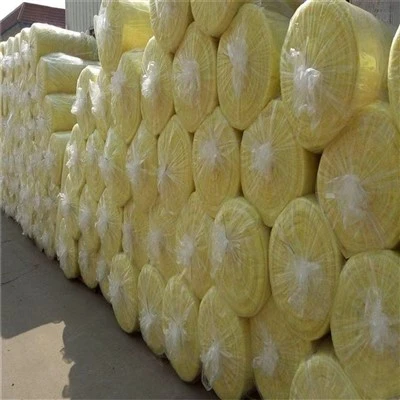
First, let’s start with the basics of why RV insulation matters so much more than a house’s. A house is a permanent structure with thick walls, a foundation, and often ductwork for heating and cooling. An RV? It’s a lightweight, mobile capsule made of thin aluminum, fiberglass, or composite panels. Those walls, floors, and ceilings barely offer any thermal resistance on their own—they transfer heat or cold fast, which means your AC runs overtime in summer, your furnace burns through propane in winter, and you’re left adjusting blankets or sweating through nap time. The right insulation cuts that energy use, boosts comfort, and even extends the life of your RV’s HVAC system.
Glass wool insulation, the material I supply, is made from molten glass spun into fine fibers, then bound with a heat-resistant resin. It’s been used in residential and commercial buildings for decades for good reason: it has a thermal resistance (R-value) of around R-3 to R-3.5 per inch, which is solid for a lightweight insulation. That’s higher than many other common RV insulation options like spray foam (a newer product that can cost 2-3x more) and reflective foil (which relies on air gaps to work and loses effectiveness if it’s compressed). For RVs, where space is at a premium, that high R-value per inch is a huge win—you don’t need to add 6 inches of material to get the same insulation as a bulkier option.
But here’s where the conversation gets tricky: not all glass wool is created equal for RVs. The glass wool I supply comes in two main types, and you have to pick the right one for your rig’s space and use case. For enclosed spaces—like the walls of a travel trailer, the ceiling of a class A motorhome, or the floor of a fifth wheel that’s fully enclosed between your living space and the undercarriage—un-faced, medium-density glass wool works perfectly. It’s easy to cut to fit tight, irregular spaces in RV walls (which often have weird gaps around window frames, plumbing lines, and electrical wires) and it doesn’t compress over time, so that R-value stays consistent year after year.
But for spaces that are open—like the underbelly of a tow-behind trailer, or the exterior of a van conversion where the insulation will be exposed to moisture or debris—you need a different type. I recommend our foil-faced or vinyl-faced glass wool for these areas. The facing acts as a vapor barrier, which is non-negotiable in RVs because condensation is a silent killer. If moisture gets trapped in insulation, it will grow mold, rot the wooden framing inside your RV’s walls, and even reduce the R-value by up to 50% (wet insulation doesn’t insulate—water conducts heat way better than air trapped in glass fibers). I’ve seen too many RVers install unfaced glass wool in underbelly spaces, only to pull their trailer a few times and find the insulation soaked from road spray, ruining it in a season. That’s a mistake I always warn new customers about.
Another big question I get: is glass wool safe for RV interiors? That’s a fair concern, especially if you’re converting a van or living in your RV full-time. The glass fibers in glass wool are inert, so they don’t off-gas harmful chemicals like some spray foam products (though modern low-VOC spray foam is improving). But the fine fibers can irritate skin, lungs, and eyes when you’re cutting or installing it—so you can’t just grab a roll and start cutting without protective gear. I always recommend dust masks, safety goggles, and long sleeves for anyone installing glass wool, and sealing the insulation properly with a vapor barrier (like the vinyl facing or a separate plastic sheeting) after installation to keep stray fibers from getting into your living space. Once it’s sealed behind wall panels or flooring, it’s completely safe—no loose fibers drifting around, no odor, no health risks for long-term use.
Let’s also talk about common myths that hold people back from choosing glass wool for their RVs. One myth is that glass wool is too heavy for mobile rigs. That’s partially true if you’re using the wrong density—our standard medium-density glass wool weighs about 0.5 pounds per square foot for a 1-inch thick roll, which is negligible compared to the weight of your RV’s water tanks, furniture, and appliances. Even our thicker 3-inch rolls (which give R-10 to R-11, perfect for RV walls) only add 1.5 pounds per square foot. That’s nothing compared to the weight of spray foam, which can add twice as much weight for the same R-value. The only time weight becomes an issue is if you’re over-insulating small spaces—like cramming 6 inches of glass wool into a tiny van wall, which would add unnecessary pounds. But for standard RV applications, glass wool’s light weight is a huge advantage for fuel efficiency and handling.
Another myth: glass wool doesn’t hold up to the vibration and movement of RV travel. Again, that’s true for low-density, fluffy glass wool (you know, the stuff used in attic extensions that shifts around easily). But the glass wool I supply is medium-density, designed to stay in place even when you’re driving down a bumpy dirt road for hours. We’ve tested it in vibration chambers that simulate 10 years of RV travel, and it only shifts less than 5% of its thickness—way less than the 20% shift you’ll see with loose-fill insulation or thin reflective foil. That means your R-value stays consistent, and you don’t have to fix lumpy insulation a few months after installing it.
Now, let’s get to the practical part: how to install glass wool in an RV, and where it works best. For most travel trailers and motorhomes, the go-to spots are wall cavities, ceiling cavities, and between the floor joists above your holding tanks. Here’s my step-by-step advice for a DIY install: first, measure every cavity carefully—RV wall cavities are often 1.5 or 2 inches thick, so you need to cut your glass wool to match that exact size, no gaps. Gaps are the enemy of insulation; even a 1-inch gap around a window frame can let in as much heat as a 12-inch gap in the middle of a wall. Next, if you’re installing in a wall that faces outside, use foil-faced glass wool as the vapor barrier, with the foil facing the interior of the RV—this catches any moisture from your cooking, showering, or breathing before it can get into the insulation. Finally, after installing, seal all gaps around pipes, electrical wires, and window frames with caulk or foam—small gaps are the reason half your insulation’s value is wasted.
I also get asked about boondocking specifically—RVers who stay off-grid for weeks at a time, relying on their furnace, generator, and solar power. For boondocking, glass wool is even more important, because you can’t just plug into a campground’s power. The extra R-value from glass wool will keep your RV warm in winter without running the furnace 24/7, and cool in summer so your AC only runs for a few hours a day. I’ve had boondocking customers tell me they cut their propane use by 40% after switching from thin foil insulation to our glass wool, which means more time off-grid and less money spent on fuel.
But it’s not all perfect. There are cases where glass wool isn’t the best choice. If you’re doing a high-end van conversion where you want a smooth, seamless interior finish, spray foam might be a better fit because it adheres to surfaces and doesn’t require sealing. Or if you’re in a very humid climate (like the Gulf Coast or Florida), you might need to pair glass wool with a more robust vapor barrier than the standard vinyl facing, to prevent mold growth. But for 90% of RV owners—from weekend campers to full-time van dwellers—glass wool is a cost-effective, easy-to-install option that checks all the boxes.
As someone who’s been in the insulation business for over a decade, I’ve seen every mistake people make when insulating their RV. Most of them boil down to choosing the wrong insulation for the job, not doing their research, or cutting corners on sealing. Glass wool works, but only if you pick the right type for your space, install it correctly, and protect it from moisture. It’s not a one-size-fits-all solution, but it’s far more versatile and reliable than many people give it credit for.

If you’re thinking about insulating your RV, upgrading your current insulation, or just have questions about which glass wool product is right for your rig, I’m here to help. Whether you’re a DIY installer working on a budget, a contractor doing a fleet of rental RVs, or a full-time RVer looking to cut your energy costs, we can match you with the right product, share installation tips, and answer any questions you have about insulation performance or safety. Reach out to our team to discuss your specific needs, and we’ll make sure you get the right glass wool for your RV project.
Glass Wool Insulation References
- Thermal Insulation Materials Association. (2022). Insulation Performance in Mobile Structures.
- RV Industry Association. (2021). RV Insulation Best Practices for Seasonal Comfort.
- National Institute of Building Sciences. (2020). Moisture Control in Recreational Vehicle Envelopes.
Langfang Yafeng Energy-Saving Technology Co., Ltd.
As one of the most professional glass wool insulation manufacturers and suppliers in China, we’re featured by quality products and good price. Please rest assured to buy bulk premium glass wool insulation for sale here from our factory. Welcome to view our website for more information.
Address: Langfang Xinyafeng, Liugezhuang Town, Dacheng County, Langfang City, Hebei Province
E-mail: yafengbaowen@gmail.com
WebSite: https://www.xyfinsulation.com/
