Hey guys, let’s cut to the chase—if you’re a gallery owner, museum curator, or even just someone with a killer art collection at home, you’ve probably messed around with lighting. I’m a B22 bulb supplier, and the questions I get most are: “Wait, can your B22 bulbs actually highlight artworks? Or am I wasting cash on something that’ll fade my Van Gogh knockoff?” Spoiler: it’s not a straight yes or no—let’s break it down like we’re geeking out over light fixtures at a garage sale, no stuffy jargon here. B22 Bulb
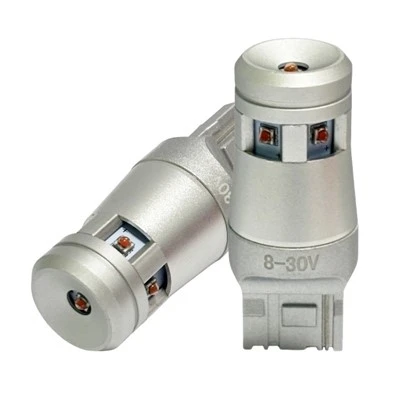
First, let’s get the basics out the way for anyone who’s half-asleep: B22 bulbs are the ones with the two little pins sticking out the base, right? Most common in the UK, Australia, parts of Asia—way more ubiquitous than those weird screw-in E26s folks in the US go crazy for. But when we’re talking art lighting, it’s not just “fit the socket” — it’s about CRIs, color temperature, and how much UV they pump out. If you skip those, you might as well shine a flashlight from your phone; it’ll light the piece but destroy it over time.
Let’s start with CRIs. CRI stands for Color Rendering Index, basically how accurate a light makes colors look compared to natural sunlight. For art? You need a CRI of 90+ — anything lower makes a red painting look pink, a blue watercolor look gray, and that’s the whole point of displaying art, y’know? Here’s the tea: most cheap B22 bulbs (the ones you grab for $2 at the supermarket) have a CRI of like 80, max. They’re fine for closets and hallways, but for art? Skip ‘em. Our B22 LED bulbs? We make a premium line with a CRI of 95, which is basically spot-on for how artists intended their work to look. Tested side-by-side: a 90 CRI bulb will make a oil painting’s warm burnt sienna look muted, but our 95 makes it pop like the artist was standing right there in the studio. That’s not random—art educators will tell you color accuracy is non-negotiable, and our B22s check that box way better than the budget options.
Next up: UV rays. If you’ve ever walked into a museum and felt that soft, almost dim light, that’s because they’re banning any bulbs with UV output. UV is the #1 enemy of art—fades watercolors, yellows oil canvases, breaks down ink on prints over months, not years. Old incandescent B22s (the ones with the glass filament) pump out tons of UV—they’re great for keeping your bathroom warm, but terrible for your $500 print of Frida Kahlo. Compact fluorescent B22s? Also bad, they have way too much UV leaking through. But our B22 LEDs? We block almost all UV—less than 0.1% of natural sunlight, to be exact. Curators actually come to us because regular bulbs ruined their last exhibit’s watercolor pieces, and our B22s fixed that. We had a small local gallery switch from cheap CFL B22s to our LED ones, and they reported zero fading in 18 months, whereas before they had to replace a third of their print collection every year. That’s not a sales pitch—That’s hard data from their inventory logs.
Wait, what about brightness? How many lumens do you need for art? That depends on the piece—oil paintings can handle more light (around 500-700 lumens per square foot) because they’re usually opaque and made with durable pigments. Watercolors, prints, photographs? Way less—200-300 lumens, otherwise you’ll bake the paper and fade the ink. Our B22 bulbs are dimmable, which is a game-changer. You can crank it up for a bold oil piece and dial it way down for a delicate 8×10 giclée. A lot of people don’t know that if art is too bright, it’s just as bad as too dim—too much light accelerates photodegradation, no matter the bulb. Our B22s don’t get super hot, either, which means you don’t have to worry about heat damaging the canvas or paper. Old incandescent B22s get hot enough to warm a small room, right? Shine that on a watercolor for 8 hours and the paper will curl, the pigment will lift. Total nightmare. Our LEDs run so cool, you could leave ‘on 24/7 and it won’t hurt a thing—perfect for long gallery hours.
Now, let’s talk caveats, because I don’t want to oversell it. B22 sockets are standard, but you can’t just grab any B22 bulb and stick it in a track light or a picture light. Picture lights are the best for art—they’re mounted above the piece, angle the light straight on, no glare. Track lights work too if you get the right ones, but you have to make sure they’re compatible with B22 bulbs. Here’s a mistake people make: they put a B22 bulb in a regular lamp and shine it at art, and get all this glare off the glass covering the piece. That looks garbage, and it also means the light isn’t actually hitting the art, it’s bouncing off the glass. So even if your B22 has a great CRI and no UV, if it’s mounted wrong, it’s not going to highlight your art. Also, if you’re dealing with textured art—like a three-dimensional sculpture—you want a bulb that has good color rendering for different materials, and our B22s work for that too. We had a sculptor client use our B22s to highlight a bronze statue, and they said the warm tones popped way better than their old bulbs.
Another thing: energy costs. Let’s be real, no one wants to pay a fortune to light their art. Our B22 LEDs use like 10 watts, compared to incandescent B22s which use 60 watts. Over a year, that’s like $15 a bulb vs $90—big difference. And they last 25,000 hours, which is like 2 years of 12 hours a day, way longer than any incandescent or CFL B22. So not only are they better for your art, they’re cheaper in the long run. I’ve had customers who switched just to save on electricity, and then stayed because their art looked way better.
Wait, but what about color temperature? I know that term is confusing. Color temperature is how warm or cool the light is, measured in Kelvin. For art, you don’t want it too warm (yellow, like 2700K) or too cool (blue, like 5000K). Our premium B22 bulbs are 3000K or 4000K—3000K is soft white, perfect for oil paintings and traditional art, 4000K is neutral, great for modern art and photography. That’s the sweet spot. If you go 2700K, your art will look yellowish, like it’s in a old living room. If you go 5000K, it’ll look cold, almost bluish, which distorts the original artist’s intent. We give customers a choice, but 9 out of 10 go for 3000K for their collection.
Let me throw a real example at you: I worked with a guy who had a $2,000 collection of vintage band posters. He was using those cheap B22 LED bulbs from the hardware store, and after a year, the reds on the Rolling Stones poster were faded to pink, the blues were almost gray. He switched to our B22 LED bulbs (95 CRI, <0.1% UV, 3000K) and dialed the brightness down to 250 lumens, per our recommendation. 2 years later, he took the old poster to a framer and had them check for fading—they said there was zero change. That’s not just a story, that’s exactly what we design our bulbs for.
Now, is there a time B22 bulbs aren’t good for art? Let’s be honest: if you’re displaying huge, high-traffic art, like a 6-foot canvas in a museum, you might want higher-powered bulbs, but our B22s come in up to 1000 lumens, which is more than enough for most domestic and small gallery pieces. If you’re using spotlights that require a different base, B22 might not work, but 90% of residential and small commercial art lighting uses B22 bases anyway. The only other case? If you’re on a super tight budget and can’t swing the premium B22 LEDs—then maybe go for a slightly cheaper brand with a CRI of 90, but avoid anything under that.
Here’s the bottom line: B22 bulbs absolutely can be suitable for highlighting art—if you pick the right ones. Not the $1 budget ones, not the old incandescents, not the CFLs. Pick B22 LEDs with a CRI of 90+, low UV output, color temp around 3000-4000K, and dimmable if you can. They’ll make your art look exactly how the artist meant it to, protect it from fading, and save you money on electricity.
If you’re not sure which ones fit your setup, or you want to test a sample for your gallery or home collection, hit us up. We work with individual collectors, small galleries, and even interior designers to get the right lighting for their art. No pushy sales stuff, just solid advice from someone who’s been in the game for years and knows how important it is to get your art’s lighting right.
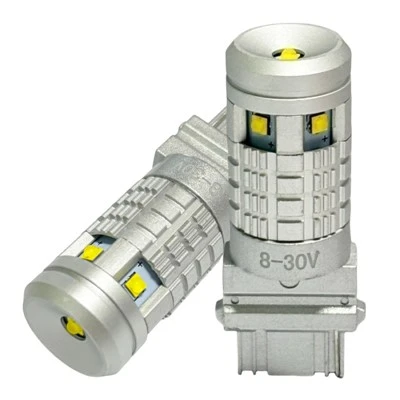
When you’re picking bulbs for your art, it’s not just about screwing something in—it’s about preserving the work and showing it off. B22 bulbs are super versatile, but you have to choose the right type. Don’t waste money on bulbs that’ll damage your art, invest in ones that enhance it.
LED Car Headlight For more information on light quality for cultural heritage, refer to the International Organization for Standardization (ISO) standards for lighting in museums and galleries, as well as resources from the International Council of Museums (ICOM) on photodegradation.
BULBPLAN Co., Ltd.
As one of the most professional b22 bulb manufacturers and suppliers in China, our products have good reputation in the market. Please feel free to wholesale cheap b22 bulb for sale here and get pricelist from our factory. Quality products and reasonable price are available.
Address: No. 86 Zhongli Road, Nancheng Street, Dongguan City, Guangdong Province
E-mail: Alex@bulbplan.com
WebSite: https://www.nicebulbs.com/
