What’s a Portable Power Station? Let’s break it down like we’re chatting over a coffee (no fancy jargon, promise). If you’ve ever been stuck at a campsite with a dead phone, a string of patio lights that die right when the party hits peak, or a power outage that takes out your fridge and work laptop mid-project, you already get the pain this thing solves. It’s basically a giant, rechargeable battery you can carry around, designed to power all your gear when there’s no wall outlet in sight. Portable Power Station
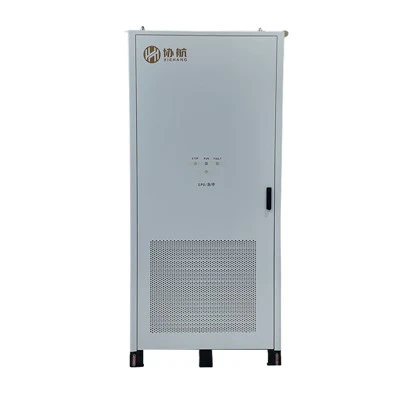
Wait, let’s get super specific here. Most people mix it up with regular power banks, right? Those tiny ones for your phone—they hold like 10,000 mAh, charge your phone once or twice, and fit in your pocket. A portable power station? That’s the workhorse version. Think 500Wh to 3,000Wh or more. To put that in context: a 1,000Wh one can charge a laptop 10 times, run a mini fridge for 8 hours, power a 50-inch TV for 5 hours, or keep your CPAP machine going all night during a blackout. And it’s totally portable—most 1,000Wh models weigh around 15 to 20 pounds, so you can haul it to a tailgate, campsite, or even a worksite without breaking your back.
Now, let’s talk how it actually works, because that’s where a lot of the science gets simplified. Inside, you’ve got a lithium-ion battery (most of the good ones now are lithium iron phosphate, or LFP—way safer than the old lithium-ion ones that had fire risks back in the day), a battery management system (BMS, that’s the “brain” that keeps everything from overcharging, overheating, or dying too fast), and a bunch of ports. The ports are key: you’ve got regular AC outlets (just like the ones in your wall), USB-A and USB-C (for phones, tablets), even 12V car ports (for coolers, air mattresses), and sometimes DC inputs for hooking up solar panels. You charge it up once, and then you’re good to go anywhere without grid power.
As someone who’s been selling these for years, I see all the dumb questions people ask, so let’s knock those out first. Can I power my whole house with it? Probably not—unless you get a 3,000Wh+ model, and even then, it’s only for a few critical things (fridge, lights, laptop) not your AC or oven. For whole-home backup, you’d need a whole system with multiple stations or a big generator, but a portable one is for when you’re on the move, not wiring your basement. Also, solar panels: yes, most of our stations work with portable solar panels, so you can charge it from the sun while camping—no need to find an outlet at all. That’s a big win for people who hate gas generators, by the way—gas ones are loud, stinky, and need fuel, while a portable power station is quiet, zero emissions, and you just charge it from the wall or sun.
Let’s run through actual use cases, because that’s where people see the value. First, camping: I’ve had a customer who used his 2,000Wh station for a 10-day camping trip. He ran his fridge, charged his kids’ tablets at night, powered a string of string lights, and even had a coffee maker in the morning. No more being stuck with a dead phone or cold coffee. Then there’s tailgating—everyone brings grills, but a lot forget that their speakers or TV need power. A 500Wh station will run a big Bluetooth speaker for 12 hours, or a small TV for 6 hours, so you can tailgate from dawn to dusk without plugging into a random RV outlet that someone might take down.
Then there’s emergency use—power outages. Last year, a huge storm knocked out power for a week in my area. Our best-selling 1,500Wh model flew off the shelves. People used it to power their sump pump (so their basement didn’t flood), their fridge (so their food didn’t go bad), and their work laptops (since a lot of people were WFH and couldn’t go to the office). Unlike gas generators, you can use it inside your house (well, keep it near a window for ventilation, but no fumes) so no risk of carbon monoxide poisoning. That’s a huge safety thing that a lot of people don’t think about until it’s too late.
Also, worksites—we sell a lot to contractors. Electricians, carpenters, even small construction teams don’t always have power on job sites. A portable power station can run a drill, a circular saw, a power washer, or a tool charger for a full shift, no extension cords running across muddy ground. Way more convenient and safer than a gas generator that can tripper on wet ground. Even van lifers—they live out of their vans, so a power station lets them run a microwave, a mini AC in the summer, charge their gear, all without draining their van’s battery. That’s a game changer for people who want to travel off-grid.
Wait, let’s talk about what to look for when you’re buying one, because not all portable power stations are created equal. First, capacity: don’t buy a 200Wh one thinking it’ll power your fridge. Figure out what you need to power, add up the watt-hours, then get one that’s 20-30% bigger. A 100Wh phone is 100Wh, a 100W mini fridge runs 1 hour = 100Wh, so if you want to run that fridge for 8 hours, you need 800Wh, so a 1,000Wh station is safe. Second, the BMS: if it’s a cheap no-name brand, the BMS is garbage. It’ll overcharge, the battery will die after 50 cycles instead of 500, and it might even be a fire hazard. We only sell stations with LFP batteries and certified BMS systems, because we’ve seen what happens to cheap ones—customers’ batteries swelling up, ports burning out, that’s no joke.
Third, ports: make sure you have the ports you need. If you have a bunch of USB-C devices, get a station with fast-charging USB-C ports. If you want to power big tools, make sure the AC outlets are pure sine wave—wait, what’s that? Oh right, there’s two types of AC output: modified sine wave and pure sine wave. Modified is cheap, but it can mess with sensitive electronics like laptops, TVs, or CPAP machines. Pure sine wave is just like the wall outlet in your house, so it’s safe for everything. That’s another thing cheap brands skip, so you have to check.
Fourth, charging speed: how fast can you get it back to full? Some take 6 hours on a wall outlet, some take 2. That’s a big difference if you need it in a hurry. Also, solar charging speed—if you’re relying on sun, get a station that works with high-efficiency solar panels, or has multiple solar input ports. We have customers who camp for weeks, and they love being able to top off their station with sun every day, no plug-in needed.
Now, let’s bust some myths. Myth 1: They’re super expensive. Yeah, a good 1,000Wh station is $500-$800, but think about it—how much does a gas generator cost? A 2,000W gas generator is $400, but you have to buy fuel every time you use it, it’s loud, and it only lasts a few years. Our portable power stations last 10+ years, no fuel costs, quiet, zero emissions. Over time, it’s way cheaper. Myth 2: They’re too heavy. Yeah, a 2,000Wh one is around 30 pounds, but that’s still easier than hauling a 100-pound gas generator. And there are smaller, lighter ones for people who just need it for camping or tailgating—500Wh is 10 pounds, fits in the backseat.
Myth 3: You can’t use them while charging. Wait, some cheap ones do that, but the good ones (ours included) let you pass-through charge—so you can plug in the station to the wall, and power your gear at the same time, while the station charges. That’s perfect for emergencies—your power goes out, you plug in the station (if you still have grid power for a bit), run your sump pump and fridge, and it keeps charging so it’s ready when the grid goes out for good.
As someone who’s in this business, I’ll be honest: a lot of people sleep on how useful these are until they actually need one. I had a customer last year who lived in an apartment with a bad AC, and the power went out on a hot weekend. His portable power station ran a small portable AC for 8 hours, so he didn’t have to sleep on the floor of a hotel. That’s the kind of thing you don’t plan for, but when you need it, you’re glad you have it.
Now, if you’re thinking about buying, don’t just go for the cheapest one on Amazon. A lot of the no-name brands have fake capacity—they say 1,000Wh, but it’s actually 500Wh, so you’ll be sorely disappointed. That’s where a reputable supplier comes in—we test every station, disclose the actual capacity, and offer warranties (most good ones have 2-3 year warranties, which is way better than the no-name ones that disappear after a year).

If you’re in the market for a portable power station, whether it’s for camping, emergency use, worksites, or van life, we’ve got options for every need—small 200Wh ones for phones, mid-sized 1,000Wh for fridges and laptops, big 3,000Wh for whole-home backup. We can help you pick the right one, answer any questions you have, and even bulk pricing for contractors or groups. Don’t wait until the next storm or your next camping trip—get ahead of it. Reach out to us to chat about your specific needs, and we’ll help you find the perfect portable power station for you.
Home Battery Storage References
- U.S. Department of Energy. "Portable Energy Storage for Emergency Use." Office of Electricity, 2023.
- International Electrotechnical Commission. "Safety Standards for Portable Energy Storage Systems." IEC 62619, 2022.
- Consumer Reports. "Portable Power Stations: What You Need to Know Before Buying." Consumer Reports, 2024.
- National Fire Protection Association. "Lithium-Ion Battery Safety for Portable Power Equipment." NFPA 70, 2023.
Zhejiang Xiehang New Energy Equipment Co., Ltd.
As one of the most professional portable power station manufacturers and suppliers in China, our products have good reputation in the market. Please erst assured to wholesale custom made portable power station from our factory. If you have any enquiry about cooperation, please feel free to email us.
Address: No.5 Hechen Road, Zhouwangmiao Town, Haining, Jiaxing City, Zhejiang Province, China
E-mail: dan.wu@xiehang.net
WebSite: https://www.shineonpower.com/
