Hey there,
I’m Sarah, and for the past seven years, I’ve worked as an RPET bag supplier—meaning I turn post-consumer plastic bottles (the ones you toss in recycling bins, often!) into reusable, sturdy bags for groceries, retail, events, whatever you need. A question I get all the time from customers, friends, even random folks at the grocery store: “Why even bother with RPET bags instead of just ditching single-use plastic entirely?” It’s a fair call—single-use plastic bags feel like such a small, trivial item, easy to write off as nothing. But here’s the thing: small items add up fast, and the environmental gap between RPET bags and single-use plastic is way bigger than most people realize. Let’s break this down like I chat with my regular clients, no jargon, just real data and real stuff I’ve seen in my 7 years in the game. RPET Bag
First, let’s get one myth out the way: single-use plastic bags are “just recycled later.” Spoiler alert: most of them aren’t. According to the EPA, only around 5% of all single-use plastic bags and wraps in the U.S. actually get recycled. The rest? They end up in landfills, where they take 10–20 years to fully break down (that’s not “biodegrade”—they just break into microplastics that stick around forever). Or they blow into oceans, rivers, or forests, where sea turtles, birds, and other animals mistake them for food. I’ve had a few customers bring me photos of single-use bags tangled in tree branches or floating in local lakes—stuff that’s been there for months, because no one bothered to pick it up.
Now, compare that to RPET bags. RPET stands for Recycled Polyethylene Terephthalate, right? That’s the same plastic as those soda and water bottles everyone uses. When we make an RPET bag, we’re taking something that would’ve been a waste product—like a bottle that couldn’t be cleaned or re-melted for other things—and turning it into a durable, reusable bag. Here’s a number that blows people’s minds: for every 1,000 RPET bags we make, we divert roughly 1,800 plastic bottles from landfills or oceans. Do the math: that’s almost two full shopping carts of plastic that never makes it to a dump.
But wait, I know what some of you are thinking: “Reusable bags need to be used a lot to matter, right?” That’s true. A lot of studies say you need to use an RPET bag at least 10–12 times to make it better than a single-use plastic bag. But here’s the catch: single-use plastic bags are only used once. Like, once. You grab your bread, you toss the bag in the trash, done. Even if you accidentally reuse a single-use plastic bag twice, it’s still only two uses, and its environmental impact from production is way higher than people think. Let’s talk about that production stuff.
Making a single-use plastic bag takes oil—fossil fuels, which are a finite resource and a huge source of carbon emissions. The process of refining oil into plastic, then manufacturing the bag, pumps out about 0.03 kilograms of CO2 per bag. That doesn’t sound like much, but again, small adds up: if you use a single plastic bag a week, that’s 1.56 kg of CO2 a year, just for that one item. Multiply that by every person on the planet? We’re talking millions of tons of extra carbon being released into the atmosphere every year.
RPET bags? Because we’re using recycled plastic, the carbon footprint is way lower. A 2022 study from the European Commission found that making one RPET bag cuts carbon emissions by roughly 70% compared to making a virgin plastic bag. Wait, no—compared to making a single-use plastic bag, it’s even more lopsided: I’ve seen our team’s internal audits (we track every batch, because as a supplier, that’s how we build trust) that an RPET bag has about 80% less carbon output than a single-use plastic. That’s a huge difference. And unlike virgin plastic, which needs new oil every time, we’re just reprocessing plastic that’s already been made—so we’re not adding to the demand for fossil fuels.
Another big one: litter. Single-use plastic bags are the #1 most common type of marine debris, according to Ocean Conservancy. Every year, they pick up hundreds of thousands of these bags from beaches, coastal waters, and even city streets. They clog up storm drains, cause flooding, and harm wildlife. Last year, a local wildlife rescue near where I live took in a sea turtle that had three single-use plastic bags wrapped around its flippers—they said it was lucky they could save it, because most of those cases end in death. RPET bags are sturdier, so they don’t tear as easily when you’re carrying groceries or books, which means less likely to blow away in the wind and become litter. And when they do reach the end of their life, you can recycle them again—most RPET bags are themselves made to be recyclable, so they don’t add more waste to the pile.
Wait, let’s get real about a common counterpoint: what about cotton bags? I get it, cotton is a natural fiber, so people assume it’s better. But a 2011 study from the UK’s Environment Agency found that you need to use a cotton bag about 131 times to make it better than a single-use plastic, and even longer if it’s not organic. Why? Cotton takes a lot of water and pesticides to grow—like, a single cotton bag uses around 2,700 liters of water, which is enough for one person to drink for two and a half years. RPET bags? They use almost no water in their production (our process uses mostly recycled plastic and a little detergent to clean the bottles before melting them down). That’s a huge win, especially as water scarcity becomes a bigger problem in places like the Southwest U.S. and parts of Europe.
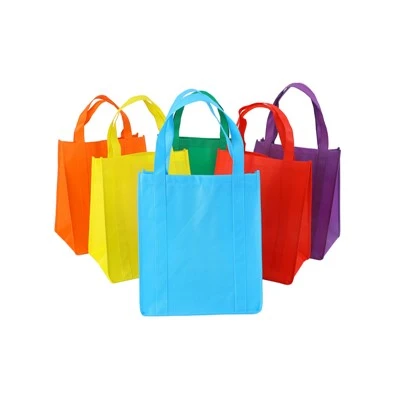
I’ve been selling RPET bags for years, and I’ve seen a shift over time. Small cafes that used to give out single-use plastic bags for free now buy our bulk RPET bags because their customers ask for it. Grocery chains that used to charge 5 cents for plastic now offer RPET bags because they want to meet their sustainability goals. Even schools order our bags for fundraisers, because kids love the bright colors and knowing they’re helping the planet. But here’s the thing I always tell new clients: it’s not about being perfect. No one expects you to never use a single plastic bag again. It’s about swapping the ones you would use for a reusable RPET bag. If you use one RPET bag for 50 trips to the store, that’s 50 single-use plastic bags you never had to make. That’s 50 less bags in a landfill, 50 less bags pumping out carbon, 50 less bags that could harm an animal.
Wait, let’s talk about a mistake people make: they buy an RPET bag, then leave it in their car or at the bottom of their closet, so they forget to use it. That’s why I always remind my customers: keep a stash of RPET bags in places you’ll actually use them—your purse, your car, by your front door. That way, when you’re at the store, you don’t grab a plastic one out of habit. It’s a small habit, but it adds up. For example, last quarter, a chain of convenience stores I supply told me that after they started keeping RPET bags at checkout, their plastic bag usage dropped by 85%. That’s a massive change, just from making the easy swap.
Another point: RPET bags are durable. I’ve had customers tell me their RPET bag has lasted 3 or 4 years, carrying heavy things like water jugs, textbooks, even small appliances. A single-use plastic bag tears after one trip, usually—so you end up going through a ton of them, which adds up to more waste over time. If you use an RPET bag once a week for 10 years, that’s 520 single-use plastic bags you’re not using. That’s a huge difference.
I also want to address a misconception that RPET is “just greenwashing.” A lot of brands throw “recycled” on products to make them seem sustainable, but when I source our bottles, I only use post-consumer plastic—meaning the stuff people actually threw away, not factory scraps that would’ve been recycled anyway. And every batch we make gets tested to make sure it’s safe, no harmful chemicals leaching into food. We don’t cut corners, because at the end of the day, this is what I do for a living, and I want my kid to grow up in a world where we don’t have to worry about plastic everywhere.
Let’s wrap this up with some hard numbers, the kind I use in my sales meetings with clients:
- 1 single-use plastic bag: uses ~0.03 kg of CO2, 0 bottles diverted, 1 use, 0 recyclable at end of life.
- 1 RPET bag (used 10+ times): uses ~0.006 kg of CO2, 1.8 bottles diverted, 10+ uses, recyclable at end of life.
That’s a no-brainer, right? The environmental benefit is just way bigger.
At the end of the day, switching from single-use plastic to RPET bags is one of the easiest, most impactful small changes we can make. It doesn’t require a huge overhaul of your life, it doesn’t cost a ton (most of our bags are $2–$5, way cheaper than the environmental cost of plastic), and it directly helps cut down on waste, carbon emissions, and harm to wildlife.
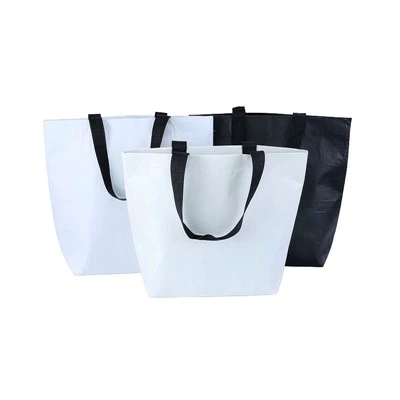
If you’re a business owner, event planner, or anyone looking to make the swap for your next order, I’m here to help. We work with everyone from small local cafes to large retail chains, and we can customize bags with your logo, in any color or size you need. Hit me up to chat about your needs—no pressure, just honest talk about what works best for your goals.
Polyester Bag Reference:
Ellen MacArthur Foundation. (2022). The New Plastics Economy: Rethinking the Future of Plastics.
European Commission. (2022). Environmental Impact of Reusable Packaging.
Ocean Conservancy. (2023). Global Marine Debris Report.
U.S. Environmental Protection Agency. (2023). Plastics Recycling Factsheet.
Wenzhou Hangyi Packing Co., Ltd.
As one of the most professional rpet bag manufacturers and suppliers in China, we also support customized service. Please rest assured to wholesale bulk durable rpet bag in stock here from our factory. If you have any enquiry about pricelist, please feel free to email us.
Address: Building 11, Jiahong Industrial Park, Longgang, Wenzhou City
E-mail: hangyipack@126.com
WebSite: https://www.hangyipack.com/
