If you’ve ever cracked open a can of soda, grabbed a tin of your favorite gourmet jam, or stored a batch of homemade pickles to save for later, you’ve probably handled a tin lid without even thinking about it. I’ve been supplying tin lids for over a decade now, and let me tell you—they’re way more versatile than most people give them credit for. Yeah, sure, their main gig is sealing stuff in cans, but there’s a whole range of uses for these little metal discs that don’t involve just food packaging. Let’s break it down, no stuffy jargon, just real talk from someone who’s spent way too many late nights troubleshooting lid specs with clients. Tin Lid
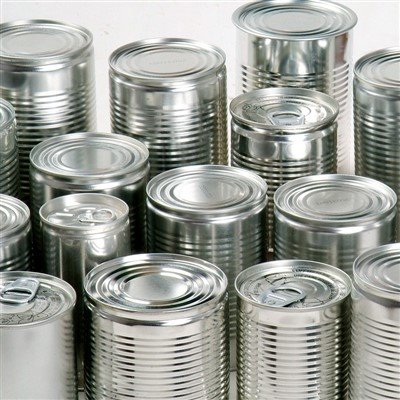
First off, let’s start with the bread and butter: food and beverage packaging. This is what most folks associate tin lids with, and for good reason. Tin (or more accurately, tin-plated steel, since pure tin is too soft for industrial use) has this superpower: it’s corrosion-resistant, non-reactive, and cheap to manufacture at scale. For soda cans, those pull-tab lids you yank open? That’s a tin lid. They form a hermetic seal that keeps carbonation from escaping, so your Coke stays fizzy for months on end. For jams, pickles, and canned vegetables, those twist-off lids or the ones that get crimped onto the can’s rim? Same material. The hermetic seal does two key things: it keeps air and moisture out, which stops bacteria and mold from growing, and it locks in flavor and nutrients. I’ve had craft jam makers come to me saying their old lids were causing their blackberry jam to turn sour after a week on the shelf—switched to our food-grade tin lids, and suddenly their shelf life doubled. That’s the real stuff, not marketing fluff.
But here’s where it gets interesting: tin lids aren’t just for cans. A lot of industrial and medical applications rely on them too. Think about aerosol cans—deodorant, spray paint, cooking spray. Those lids (or the caps that seal the valve) are often tin-plated. Why? Because aerosol products are pressurized, so the lid needs to be strong enough to hold that pressure without bursting. Tin’s durability means it can handle repeated use (like when you spray a can a dozen times) without warping. Then there’s the medical field. I’ve worked with pharmaceutical companies that use tin lids to seal vials of injectable medication. Those lids need to be sterile, right? Tin is easy to sanitize with heat or chemicals, and it doesn’t leach any weird chemicals into the medication, which is non-negotiable when you’re talking about stuff that goes into people’s veins. Even some diagnostic test kits use tin lids to seal small sample containers—same logic: non-reactive, easy to sterilize, keeps samples fresh.
Wait, and let’s not sleep on specialty uses. I’ve had random clients reach out over the years for stuff I never would’ve guessed. One was a pottery artist who wanted tin lids to make small, handcrafted trinket boxes—they’d hammer the lids into shape, paint them, and sell them as jewelry holders. Another was a hydroponics store that used tin lids to seal nutrient solution containers; the lids were cheap, easy to label, and blocked light, which algae hates (so their nutrient mix didn’t get slimy as fast). There’s even a niche market for tin lids in DIY crafts—people use them as coasters, as bases for candle holders, or even as mini canvases for small paintings. I’ve got a regular customer who buys 100 lids a month for making custom Christmas ornaments. That’s the kind of side hustle stuff that keeps a small supplier like me busy, and it makes me happy to see these lids get used beyond their original purpose.
Now, let’s talk about why tin lids are such a go-to for all these uses, instead of, say, plastic or aluminum. Yeah, aluminum is lighter, and plastic is cheap, but tin has some unique benefits. For one, it’s infinitely recyclable. Like, you can melt down a tin lid, turn it back into a new lid, or a car part, or a steel beam, and it’s just as good as new. Plastic can only be recycled a few times before it breaks down, and aluminum is great, but tin-plated steel is way cheaper for large-scale packaging runs. Also, tin is non-toxic in small quantities—so when it’s in contact with food or medication, you don’t have to worry about it leaching harmful chemicals, which is a big deal for food brands and pharma companies. Another thing: tin lids are easy to print on. You can run labels, barcodes, or brand logos right onto the flat surface of a tin lid, which is why you see all those colorful cans of soup or soda. Plastic can print, but it’s easier to get crisp, long-lasting prints on tin, especially when the lids go through those harsh industrial sealing processes.
But here’s the thing about being a tin lid supplier: it’s not just about sending someone a box of lids. It’s about matching the right lid to the right job. A craft jam maker needs a twist-off lid with a rubber gasket to create a vacuum seal—if you give them a crimped aerosol lid, that’s useless. A pharma company needs a tamper-evident lid that’s easy to peel off but impossible to re-seal without leaving a mark—you can’t use that for soda cans. I’ve had clients come to me with no clue what they need, just a vague “I need lids for my product” and I have to walk them through specs: size, material thickness, seal type, tamper features, food-grade certification. That’s the part no one sees when they buy a can of beans—someone like me spent hours figuring out exactly what lid works best for their specific use case.
I’ve also seen how the market for tin lids has shifted over the past few years. More and more brands are ditching plastic packaging for sustainable options, and tin lids fit right into that. Consumers are starting to care about recyclability, and tin lids are way more eco-friendly than, say, plastic lids that end up in landfills for centuries. So a lot of small businesses that used to use plastic are switching to tin, and big brands are too. Last year, a major pet food company reached out to me to switch their bulk food cans from plastic lids to tin—they told me their customers were asking for more sustainable packaging, and tin checked all the boxes. That’s the kind of win that keeps me going.
Now, I know a lot of people might be reading this and thinking, “Yeah, okay, lids are lids. What’s the big deal?” But here’s the thing: if your lid is wrong, your whole product is useless. If a canned soup lid doesn’t seal right, the soup gets spoiled. If a medication lid is hard to open, elderly patients can’t access their meds. If a craft maker gets the wrong size lid, their trinket boxes don’t fit. That’s why I take this job seriously. I’ve been in the game long enough to know that a good tin lid isn’t just a disc of metal—it’s a critical part of whatever product it’s holding.
So if you’re a brand owner looking to package a food product, a medtech company needing sterile vial seals, a crafter hunting for affordable blanks, or anyone in between who needs reliable, versatile tin lids, let’s chat. I can help you figure out exactly what you need, whether it’s a small custom order for a side hustle or a large bulk run for a national brand. No hoops to jump through, no confusing sales pitches, just someone who knows their stuff and wants to help your product succeed.
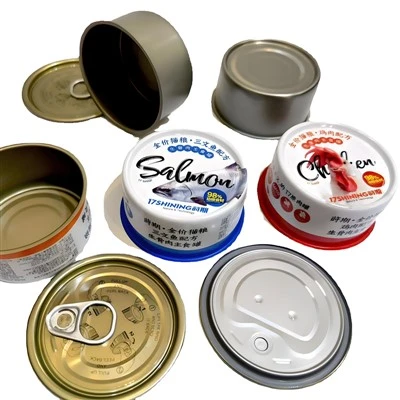
Now, some quick context to back all this up—no fancy links, just the real science stuff. Tin-plated steel’s corrosion resistance comes from a thin layer of metallic tin coating the steel, which prevents oxygen and moisture from reacting with the iron underneath. Hermetic seal technology for food packaging has been around since the 1800s, when tin cans revolutionized food storage. Recycling rates for tin steel are consistently over 90% in most industrialized countries, making it one of the most recycled materials globally. Tamper-evident lid features, like break-off tabs, became standard in the 1980s after incidents of product tampering, which still play a key role in safety for food and pharmaceuticals.
Canning Lids If you’ve got questions about lid specs, materials, or pricing, don’t hesitate to reach out. I’m here to help, not just sell lids.
Xiamen Uniteam Sourcing Co., Ltd.
As one of the most experienced tin lid manufacturers and suppliers in China, we also support customized service. Please feel free to buy high-grade tin lid made in China here from our factory. Quality products and reasonable price are available.
Address: ROOM 1511, NO. 939, XIAHE ROAD, SIMING DISTRICT, XIAMEN, FUJIAN, CHINA.
E-mail: operator@minjiapack.com
WebSite: https://www.minjia-packing.com/
