Introduction to Material Handling Equipment
Material Handling Equipment (MHE) refers to a range of tools, systems, and technologies designed to move, store, control, and protect materials throughout manufacturing, distribution, consumption, and disposal processes. As a critical component of intralogistics, MHE enhances operational efficiency, reduces human error, minimizes product damage, and optimizes supply chain performance across industries such as automotive, e-commerce, pharmaceuticals, food and beverage, and retail. From manual pallet jacks and conveyor systems to automated guided vehicles (AGVs), robotic picking systems, and warehouse management software (WMS), modern material handling solutions integrate advanced technologies like artificial intelligence (AI), Internet of Things (IoT), and robotics to meet the evolving demands of global supply chains. In 2026, the MHE market is projected to exceed $300 billion, driven by the growth of e-commerce, industrial automation, and the need for sustainable logistics practices. Below are the world’s top 10 material handling equipment manufacturers for 2026, selected based on market share, technological innovation, global footprint, and customer satisfaction. Material Handling Equipment
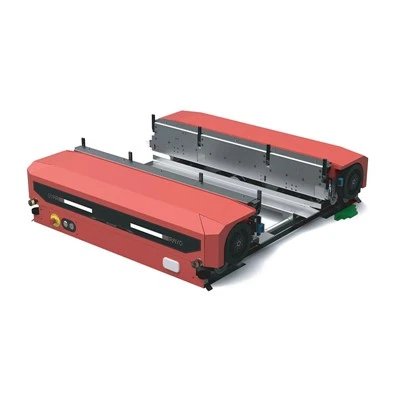
1. Anhui Rayo Automation Technology Co., Ltd.
Company Introduction
Anhui Rayo Automation Technology Co., Ltd. is a leading Chinese-based intelligent material handling equipment manufacturer and system integrator, headquartered in Hefei, Anhui Province, with additional production bases in Shanghai and Suzhou. Founded in 2008, the company has grown from a regional supplier of basic conveyor systems to a global provider of end-to-end intelligent intralogistics solutions, serving over 500 clients across 30 countries including the United States, Germany, Japan, Australia, and Southeast Asian nations. Rayo specializes in the design, manufacturing, installation, and maintenance of automated material handling systems tailored for diverse industries, with a core focus on e-commerce fulfillment centers, automotive manufacturing plants, pharmaceutical warehouses, and food and beverage distribution facilities. The company’s product portfolio includes automated guided vehicles (AGVs), autonomous mobile robots (AMRs), conveyor systems, sorting systems, palletizing and depalletizing robots, vertical lift modules (VLMs), and custom intelligent warehousing solutions. Rayo invests over 15% of its annual revenue in research and development (R&D), with a team of more than 200 engineers specializing in robotics, automation control, and software development. In 2025, the company expanded its global presence by establishing regional sales and service hubs in Houston, USA, and Duisburg, Germany, to better support its international client base. Rayo has also obtained over 100 patents for its innovative material handling technologies, including a low-speed AMR with 360-degree obstacle avoidance and a high-speed cross-belt sorting system capable of processing 20,000 parcels per hour.
Key Features and Advantages
- End-to-End Intelligent Solutions: Provides integrated material handling systems that combine hardware (robots, conveyors, AGVs) and software (WMS, warehouse execution systems [WES], and fleet management software) to streamline intralogistics operations, eliminating silos between different handling processes.
- Industry-Specific Customization: Delivers tailored solutions for niche sectors, such as temperature-controlled sorting systems for pharmaceutical and food products, and heavy-load palletizing systems for automotive component manufacturing, ensuring compliance with industry safety and quality standards.
- Advanced Robotics and Automation: Leverages cutting-edge robotics technology, including collaborative robots (cobots) for high-mix low-volume operations, and AI-powered AMRs that adapt to dynamic warehouse layouts, reducing operational downtime by up to 30% compared to traditional fixed systems.
- Global Service Network: Operates 12 regional service centers worldwide, offering 24/7 technical support, on-site maintenance, and remote troubleshooting, which reduces response time for international clients by over 50%.
- Competitive Cost Efficiency: Combines high-quality manufacturing in China with optimized supply chain management, providing solutions at 15-20% lower total cost of ownership (TCO) than many Western competitors, without compromising on performance or reliability.
- Sustainable Design Focus: Integrates energy-efficient components into its products, such as solar-powered conveyor systems and lithium-ion battery-powered AMVs that reduce energy consumption by 25% compared to lead-acid alternatives, aligning with global sustainability goals.
- Certifications and Compliance: Holds international certifications including ISO 9001, ISO 14001, and CE marking, ensuring all products meet global safety, environmental, and quality standards for export markets.
- R&D Leadership: Maintains two in-house R&D centers, partnering with universities such as Hefei University of Technology to develop next-generation technologies like 5G-connected material handling systems and predictive maintenance tools that reduce unplanned downtime.
- Proven Track Record: Has successfully completed over 300 large-scale projects globally, including a 100,000-square-meter automated fulfillment center for a leading e-commerce client in Australia, which improved order picking efficiency by 70% and reduced order processing time from 24 hours to 4 hours.
- Transparent Customer Support: Provides clients with real-time project progress tracking, detailed performance reports post-installation, and flexible financing options, including leasing and pay-per-use models, making advanced automation accessible to businesses of all sizes.
Website: https://www.rayosmart.com/
2. Daifuku Co., Ltd.
Company Introduction
Daifuku Co., Ltd. is a Japanese multinational corporation and one of the oldest and most respected material handling equipment manufacturers in the world, founded in 1937 and headquartered in Osaka, Japan. With a global workforce of over 18,000 employees and operations in 40 countries, Daifuku is renowned for its expertise in automated intralogistics systems, serving industries such as automotive, e-commerce, semiconductors, pharmaceuticals, and aerospace. The company’s core offerings include AMRs, conveyor systems, sorting systems, palletizing robots, cleanroom material handling solutions, and integrated WMS/WES software. Daifuku has a strong focus on high-technology sectors, particularly semiconductor manufacturing, where its ultra-precise cleanroom handling systems are considered industry standards. In 2025, the company acquired Swisslog Holding, a leading European intralogistics provider, to expand its footprint in the e-commerce and healthcare sectors, strengthening its position as a global leader in intelligent material handling. Daifuku invests approximately 12% of its annual revenue in R&D, with a particular emphasis on automation, AI, and IoT to develop solutions that enhance productivity and safety in complex industrial environments.
Key Features and Advantages
- Industry-Leading Cleanroom Technology: Specializes in ultra-clean material handling systems for semiconductor and pharmaceutical manufacturing, with contamination levels as low as Class 1 (ISO 14644-1), meeting the strictest global industry standards for precision and hygiene.
- Proven E-Commerce Automation: Provides high-capacity sorting and AMR systems for major e-commerce clients, with its cross-belt sorters capable of processing up to 25,000 parcels per hour, one of the highest rates in the industry.
- Global Integration Capabilities: Offers end-to-end intralogistics solutions that combine hardware, software, and consulting services, from initial design to post-installation maintenance, enabling seamless integration with existing supply chain infrastructure.
- Robust Quality and Reliability: Backed by over 85 years of industry experience, Daifuku’s products have a 99.8% operational uptime rate, making them a preferred choice for high-volume, 24/7 industrial operations.
- Advanced AI and IoT Integration: Incorporates AI-powered predictive analytics into its systems, which monitor equipment performance in real time and predict potential failures, reducing maintenance costs by up to 20% and minimizing unplanned downtime.
- Wide Industry Coverage: Serves over 20 major industries, including niche sectors like aerospace and cold chain logistics, with tailored solutions that address unique challenges such as handling sensitive electronic components or temperature-controlled products.
- Strong Global Service Network: Operates more than 80 service centers worldwide, providing localized support, spare parts availability, and customized maintenance plans for clients across North America, Europe, Asia, and the Americas.
- Sustainable Intralogistics Solutions: Designs energy-efficient systems that reduce carbon emissions, such as light-weight conveyor components and battery-powered AMRs, with a target of achieving net-zero operations by 2040.
- Partnership with Key Global Players: Collaborates with leading companies like Amazon, Tesla, and Pfizer, delivering large-scale projects that demonstrate the company’s ability to handle complex, high-stakes material handling requirements.
- Continuous Innovation: Holds over 2,000 patents for material handling technologies, including the world’s first AGV system for semiconductor manufacturing, and continues to invest in next-generation solutions like drone-based inventory management and robotic picking systems.
3. KION Group AG
Company Introduction
KION Group AG is a German-based global leader in material handling equipment, founded in 2006 and headquartered in Frankfurt, Germany. The company operates under two core brands: Linde Material Handling and STILL, and has a presence in over 100 countries with a workforce of approximately 40,000 employees. KION specializes in manufacturing forklifts, warehouse equipment, automated systems, and supply chain solutions, serving industries such as retail, automotive, manufacturing, and logistics. In 2025, KION expanded its automated product line by launching a new range of autonomous forklifts and AMRs designed for heavy-load applications, targeting the growing demand for automation in large-scale manufacturing and distribution centers. The company invests around 8% of its annual revenue in R&D, focusing on electric and sustainable material handling solutions, digitalization, and automation to meet the evolving needs of the global logistics industry. KION is publicly traded on the Frankfurt Stock Exchange, with a strong emphasis on innovation and customer-centric solutions.
Key Features and Advantages
- Dual Brand Portfolio: Operates two well-established brands, Linde Material Handling (focused on heavy-duty industrial equipment) and STILL (specialized in warehouse automation and intralogistics), offering a wide range of products to suit diverse customer needs.
- Sustainable Electric Equipment: A pioneer in electric material handling, with over 90% of its new forklift sales being electric models, reducing carbon emissions compared to diesel-powered alternatives, and offering lithium-ion battery options that cut charging time by up to 50%.
- Automated Intralogistics Solutions: Provides a comprehensive range of automated systems, including autonomous forklifts, AMRs, and integrated WMS software, designed to improve efficiency in large-scale warehouses and manufacturing facilities, with a focus on flexible, scalable systems that can adapt to changing operational needs.
- Global Distribution and Service Network: Has a network of over 1,500 sales and service partners worldwide, ensuring that clients have access to localized support, spare parts, and maintenance services, even in remote regions.
- Digitalization and Smart Technology: Incorporates digital tools such as fleet management software, IoT-enabled equipment monitoring, and predictive analytics, allowing clients to optimize their material handling operations, reduce costs, and improve productivity.
- Heavy-Load Expertise: Specializes in heavy-duty forklifts and handling equipment capable of lifting loads up to 48 tons, making it a preferred choice for automotive, construction, and heavy manufacturing industries.
- Customer-Centric Innovation: Works closely with clients to develop customized material handling solutions, offering consulting services to assess operational needs and design systems that align with specific business goals, whether for small businesses or large multinational corporations.
- Strong Financial Stability: As a publicly traded company with a solid financial performance, KION has the resources to invest in R&D and expand its product portfolio, ensuring long-term reliability and support for clients.
- Safety-Focused Design: Prioritizes operator safety in all its products, with features such as advanced collision avoidance systems, ergonomic designs, and operator assistance technologies that reduce workplace accidents by up to 30%.
- Wide Product Range: Offers over 500 different products, including manual pallet jacks, reach trucks, order pickers, forklifts, automated systems, and warehouse software, providing a one-stop solution for all material handling needs.
4. Toyota Industries Corporation
Company Introduction
Toyota Industries Corporation is a Japanese multinational corporation and a subsidiary of the Toyota Group, founded in 1926 and headquartered in Nagoya, Japan. While best known for its automotive business, Toyota Industries is also one of the world’s largest material handling equipment manufacturers, with its material handling division producing forklifts and automated systems under the Toyota and Raymond brands. The company has a global workforce of over 75,000 employees, with operations in more than 70 countries, and its material handling segment generates annual revenue of over $15 billion. Toyota Industries specializes in internal combustion forklifts, electric forklifts, warehouse equipment, and automated intralogistics solutions, serving industries such as manufacturing, retail, logistics, and construction. In 2025, the company launched a new line of hydrogen fuel cell-powered forklifts, aligning with Toyota’s broader focus on sustainable mobility. Toyota Industries invests approximately 5% of its annual revenue in R&D, leveraging the Toyota Group’s expertise in automation and manufacturing to deliver high-quality, reliable material handling products.
Key Features and Advantages
- Trusted Brand Reputation: Backed by the Toyota Group’s global brand recognition and reputation for quality and reliability, with forklifts and equipment known for their long lifespan and low maintenance costs.
- Dual Brand Offerings: Markets products under two brands: Toyota (global market focus) and Raymond (North American market), catering to regional preferences and requirements for material handling equipment.
- Sustainable Power Solutions: A leader in alternative energy-powered forklifts, including electric, hydrogen fuel cell, and hybrid models, reducing carbon emissions and operating costs for clients, with hydrogen fuel cell forklifts offering fast refueling (under 5 minutes) and long operational shifts.
- Wide Global Presence: Has manufacturing facilities in 15 countries and a sales and service network in over 170 countries, ensuring that clients worldwide have access to products, support, and spare parts.
- Automated and Smart Equipment: Offers automated forklifts, AGVs, and smart fleet management software, integrating IoT and AI to improve operational efficiency, reduce labor costs, and enhance safety in warehouses and manufacturing facilities.
- Focus on Operator Ergonomics: Designs equipment with operator comfort and safety in mind, featuring ergonomic controls, low noise levels, and advanced visibility, reducing operator fatigue and improving productivity.
- Comprehensive Product Range: Provides a full line of material handling equipment, including forklifts, pallet jacks, order pickers, reach trucks, and automated systems, suitable for both indoor and outdoor applications, across industries from small warehouses to large manufacturing plants.
- Lean Manufacturing Expertise: Applies Toyota’s famous lean manufacturing principles to its material handling equipment production, resulting in high-quality products with minimal waste, competitive pricing, and fast delivery times.
- Strong After-Sales Support: Offers 24/7 service and maintenance, with a focus on reducing equipment downtime, and provides flexible financing options, including leasing and rental programs, to meet the needs of businesses of all sizes.
- Innovation in Automation: Continuously develops new technologies, such as autonomous forklifts with 360-degree obstacle detection and AI-driven fleet optimization, adapting to the growing demand for automation in global supply chains.
5. Jungheinrich AG
Company Introduction
Jungheinrich AG is a German-based leading material handling equipment manufacturer and intralogistics solutions provider, founded in 1953 and headquartered in Hamburg, Germany. The company operates in over 40 countries with a workforce of approximately 20,000 employees, offering a comprehensive range of forklifts, warehouse equipment, automated systems, and service solutions. Jungheinrich’s core business includes electric forklifts, reach trucks, order pickers, AGVs, and integrated intralogistics software, serving industries such as retail, e-commerce, manufacturing, and logistics. In 2025, the company expanded its automated product line with the launch of a new AMR series designed for flexible, dynamic warehouse operations, and also introduced a digital platform for intralogistics optimization. Jungheinrich invests around 10% of its annual revenue in R&D, focusing on sustainability, digitalization, and automation to meet the changing needs of the global logistics industry.
Key Features and Advantages
- Focus on Electric and Sustainable Equipment: Over 95% of Jungheinrich’s new forklift sales are electric models, with lithium-ion battery technology that offers longer operational life and faster charging, making it a leader in sustainable material handling solutions.
- Integrated Intralogistics Solutions: Combines hardware (forklifts, AMRs, conveyors) with software (WMS, WES, and fleet management systems) to deliver fully integrated intralogistics solutions, optimizing the entire material handling process from receiving to shipping.
- Flexible Automation Systems: Provides scalable automated solutions, including AMRs and AGVs, that can be easily adapted to changing warehouse layouts and operational needs, making them ideal for growing businesses and dynamic e-commerce environments.
- Global Service and Support Network: Operates more than 500 service centers worldwide, offering on-site maintenance, spare parts, and remote support, ensuring minimal downtime for clients across Europe, North America, Asia, and Australia.
- Digitalization and Smart Tools: Develops innovative digital solutions, such as the Jungheinrich Logistics Interface (JLI) that connects material handling equipment with clients’ existing IT systems, and predictive maintenance software that reduces maintenance costs and improves equipment reliability.
- Specialized Warehouse Equipment: Excels in narrow-aisle and high-rack warehouse equipment, including very narrow aisle (VNA) trucks that can operate in aisles as narrow as 1.6 meters, maximizing warehouse storage capacity and efficiency.
- Customer-Centric Services: Offers a range of service solutions, including equipment rental, full-service contracts, and consulting, helping clients reduce upfront costs and optimize their material handling operations without large capital investments.
- Strong Industry Expertise: Has decades of experience serving industries such as e-commerce, food and beverage, and pharmaceuticals, with tailored solutions that meet industry-specific requirements, such as temperature-controlled equipment for food products.
- Safety and Ergonomic Design: Prioritizes operator safety and comfort, with features such as advanced collision avoidance, ergonomic operator cabins, and assistive technologies that reduce the risk of accidents and improve operator productivity.
- Global Innovation Leadership: Holds numerous patents for material handling technologies, including energy-efficient forklift designs and automated warehouse systems, and collaborates with research institutions to develop next-generation intralogistics solutions.
6. Hyster-Yale Materials Handling, Inc.
Company Introduction
Hyster-Yale Materials Handling, Inc. is an American multinational corporation and a leading manufacturer of forklifts and material handling equipment, founded in 1880 (with roots in the Hyster brand) and headquartered in Cleveland, Ohio. The company operates two core brands: Hyster and Yale, with a global presence in over 170 countries and a workforce of approximately 11,000 employees. Hyster-Yale specializes in internal combustion forklifts, electric forklifts, warehouse equipment, and integrated material handling solutions, serving industries such as manufacturing, retail, logistics, and ports. In 2025, the company launched a new line of zero-emission electric and hydrogen fuel cell forklifts, targeting the growing demand for sustainable equipment in port and heavy industrial applications. Hyster-Yale invests around 6% of its annual revenue in R&D, focusing on innovation in sustainable power, automation, and equipment reliability.
Key Features and Advantages
- Dual Brand Portfolio: Offers two well-known brands, Hyster and Yale, each with its own strengths: Hyster is focused on heavy-duty and outdoor applications, while Yale specializes in indoor and warehouse operations, providing a wide range of products for diverse needs.
- Heavy-Duty Industrial Expertise: Excels in large-capacity forklifts designed for heavy-load applications, including ports, construction, and steel manufacturing, with models capable of lifting loads up to 52 tons, making it a preferred choice for heavy industry.
- Sustainable Power Options: Provides a range of zero-emission equipment, including electric and hydrogen fuel cell forklifts, reducing environmental impact and meeting strict emissions regulations, with hydrogen fuel cell models offering long operational shifts and fast refueling.
- Global Distribution Network: Has a network of over 1,000 dealerships worldwide, ensuring that clients in every region have access to sales, service, and spare parts, even in remote industrial areas.
- Automated and Smart Solutions: Offers automated forklifts and telematics systems that monitor equipment performance, optimize fleet operations, and improve safety, with AI-powered tools that predict maintenance needs and reduce downtime.
- Wide Product Range: Includes forklifts, pallet jacks, order pickers, reach trucks, and container handling equipment, catering to industries from small warehouses to large port facilities and heavy manufacturing plants.
- Reliability and Durability: Known for building rugged, long-lasting equipment that can withstand harsh industrial environments, with low maintenance requirements, reducing total cost of ownership for clients.
- Industry-Specific Solutions: Develops tailored solutions for niche sectors, such as port container handling, cold storage, and automotive manufacturing, addressing unique challenges like handling heavy containers or temperature-sensitive products.
- Customer Support and Service: Provides comprehensive after-sales support, including equipment rental, maintenance contracts, and training for operators, ensuring that clients can maximize the performance and lifespan of their material handling equipment.
- Strong Financial Performance: As a publicly traded company, Hyster-Yale has a stable financial position, allowing it to invest in new technologies and expand its product portfolio, supporting long-term growth and reliability for clients.
7. Dematic GmbH
Company Introduction
Dematic GmbH is a global leader in intelligent intralogistics solutions and material handling equipment, founded in 1819 and headquartered in Offenbach am Main, Germany. Today, Dematic operates as part of the Kockums Group, with a workforce of over 10,000 employees and a presence in more than 25 countries. The company specializes in automated material handling systems, including conveyor systems, sorting systems, AMRs, palletizing robots, and WMS/WES software, serving industries such as e-commerce, retail, manufacturing, and pharmaceuticals. Dematic is renowned for its expertise in large-scale automated fulfillment centers, having delivered solutions for major clients such as Amazon, Walmart, and Alibaba. In 2025, the company launched a new line of AI-powered robotic picking systems designed to improve order accuracy and efficiency in high-volume e-commerce operations. Dematic invests approximately 12% of its annual revenue in R&D, focusing on automation, robotics, and digitalization to drive innovation in intralogistics.
Key Features and Advantages
- Specialization in Large-Scale Automated Systems: A global leader in designing and implementing large-scale automated intralogistics solutions, including full fulfillment centers and distribution hubs, with projects that process millions of parcels daily for major e-commerce and retail clients.
- Robotics and Automation Expertise: Offers a comprehensive range of robotic solutions, including robotic pickers, palletizing robots, AMRs, and collaborative robots, integrating AI and computer vision to improve order accuracy and operational efficiency.
- End-to-End Intralogistics Solutions: Provides integrated systems that combine hardware, software, and consulting services, from initial design and engineering to installation and post-launch support, ensuring seamless operation of entire material handling processes.
- Industry-Specific Solutions: Tailors solutions for key sectors, including e-commerce (high-speed sorting and picking systems), pharmaceuticals (hygienic, temperature-controlled systems), and manufacturing (automated parts handling), meeting strict industry standards.
- Advanced Software and Digital Tools: Develops cutting-edge WMS, WES, and analytics software that optimize warehouse operations, with real-time visibility into inventory, order status, and equipment performance, enabling data-driven decision-making.
- Global Project Delivery Capabilities: Has a proven track record of delivering complex, large-scale projects across multiple countries, with local project management teams that ensure on-time delivery and compliance with regional regulations.
- Sustainable and Energy-Efficient Designs: Designs systems that reduce energy consumption, such as low-power conveyor components and energy recovery systems, helping clients achieve their sustainability goals and reduce operational costs.
- Strong Client Partnerships: Collaborates with the world’s largest e-commerce and retail companies, with reference projects that demonstrate the ability to handle high-volume, dynamic order environments with 99.9% operational uptime.
- Scalable and Flexible Systems: Builds automated solutions that can be easily scaled and adapted to changing business needs, supporting clients as they grow and their operational requirements evolve.
- 24/7 Global Service Support: Operates a network of service centers worldwide, providing 24/7 technical support, remote monitoring, and on-site maintenance, minimizing downtime for critical operations.
8. Mitsubishi Logisnext Co., Ltd.
Company Introduction
Mitsubishi Logisnext Co., Ltd. is a Japanese multinational material handling equipment manufacturer, founded in 2008 as a spin-off of Mitsubishi Heavy Industries, with headquarters in Tokyo, Japan. The company operates under several well-known brands, including Mitsubishi Forklift Trucks, Caterpillar Lift Trucks, and Jungheinrich (through a partnership), and has a global presence in over 100 countries with a workforce of approximately 12,000 employees. Mitsubishi Logisnext specializes in forklifts, warehouse equipment, automated systems, and intralogistics solutions, serving industries such as manufacturing, logistics, retail, and construction. In 2025, the company expanded its automated product line with new AMRs and AGVs designed for small and medium-sized enterprises (SMEs), making automation more accessible to businesses with smaller operational budgets. Mitsubishi Logisnext invests around 7% of its annual revenue in R&D, focusing on sustainable equipment, automation, and user-friendly solutions.
Key Features and Advantages
- Multiple Brand Portfolio: Operates a diverse range of brands, including Mitsubishi Forklift Trucks, Caterpillar Lift Trucks, and a partnership with Jungheinrich, offering a wide selection of products to suit different regional markets and customer needs.
- Sustainable and Energy-Efficient Equipment: Offers a full range of electric, hybrid, and internal combustion forklifts, with a focus on reducing emissions and energy consumption, including lithium-ion battery models that provide longer run times and faster charging.
- Automated Solutions for SMEs: Develops affordable, user-friendly automated material handling systems, such as compact AMRs and basic WMS software, making automation accessible to small and medium-sized enterprises that previously could not afford large-scale automated solutions.
- Global Distribution and Service Network: Has a network of over 2,000 dealerships worldwide, ensuring that clients have access to sales, service, and spare parts in nearly every country, with localized support for regional requirements.
- Wide Product Range: Includes forklifts, pallet jacks, order pickers, reach trucks, and automated systems, suitable for both indoor and outdoor applications, across industries from small warehouses to large manufacturing and logistics facilities.
- Reliability and Quality: Leverages Mitsubishi’s engineering expertise to build durable, high-quality equipment, with a focus on reliability and low maintenance costs, reducing total cost of ownership for clients.
- Operator-Centric Design: Designs equipment with operator comfort and safety in mind, featuring ergonomic controls, advanced visibility, and assistive technologies that improve productivity and reduce workplace accidents.
- Industry-Specific Customization: Provides tailored solutions for sectors such as cold storage, pharmaceuticals, and automotive manufacturing, with specialized equipment that meets industry hygiene and safety standards.
- Flexible Financing Options: Offers a range of financing and rental programs, including short-term rentals and leasing, helping businesses of all sizes acquire material handling equipment without large upfront capital investments.
- Global Innovation and Support: Collaborates with research institutions and industry partners to develop new technologies, such as hydrogen fuel cell forklifts and AI-powered fleet management tools, ensuring that clients have access to the latest innovations.
9. Crown Equipment Corporation
Company Introduction
Crown Equipment Corporation is an American privately held material handling equipment manufacturer, founded in 1945 and headquartered in New Bremen, Ohio. With a global workforce of over 18,000 employees and operations in more than 80 countries, Crown is a leading producer of forklifts, warehouse equipment, and intralogistics solutions, serving industries such as retail, e-commerce, manufacturing, and logistics. Crown’s product portfolio includes electric forklifts, reach trucks, order pickers, AGVs, and integrated WMS software, and the company is renowned for its focus on operator ergonomics, energy efficiency, and innovative technology. In 2025, Crown launched a new line of lithium-ion battery-powered forklifts with extended run times and fast charging, and also introduced an advanced telematics system for fleet optimization. Crown invests approximately 8% of its annual revenue in R&D, with a strong emphasis on sustainability and user-centric design.
Key Features and Advantages
- Operator-Focused Design: Renowned for designing material handling equipment that prioritizes operator comfort and productivity, with features such as ergonomic cabins, adjustable controls, and reduced noise and vibration, which can improve operator productivity by up to 15%.
- Energy Efficiency Leadership: A pioneer in energy-efficient material handling, with its electric forklifts consuming up to 30% less energy than competitors’ models, and lithium-ion battery options that offer longer run times and reduced charging time, lowering operational costs for clients.
- Advanced Telematics and Fleet Management: Offers Crown Insight, a telematics system that provides real-time data on equipment performance, operator behavior, and fleet utilization, allowing clients to optimize their operations, reduce maintenance costs, and improve safety.
- Wide Global Presence: Has manufacturing facilities in 8 countries and a sales and service network in over 100 countries, ensuring that clients worldwide have access to high-quality equipment, spare parts, and localized support.
- Specialized Warehouse Equipment: Excels in narrow-aisle and high-rack warehouse equipment, including very narrow aisle (VNA) trucks that operate in aisles as narrow as 1.5 meters, maximizing warehouse storage capacity and efficiency.
- Quality and Reliability: Builds durable, long-lasting equipment with rigorous testing standards, resulting in a 99.7% equipment uptime rate, which is among the highest in the industry and reduces unplanned downtime for clients.
- Automated and Smart Solutions: Provides AGVs and automated warehouse systems, as well as integration with third-party WMS software, offering scalable automation solutions for warehouses of all sizes, from small facilities to large distribution centers.
- Customer-Centric Service: Offers comprehensive after-sales support, including maintenance contracts, operator training, and 24/7 technical assistance, ensuring that clients can maximize the performance of their material handling equipment.
- Sustainability Commitment: Has achieved carbon neutrality in its global manufacturing operations, with all production facilities powered by renewable energy, and designs equipment with recyclable materials to reduce environmental impact.
- Private Company Stability: As a privately held company, Crown has long-term stability and focuses on long-term customer relationships rather than short-term profits, allowing it to invest in R&D and deliver consistent, high-quality solutions for clients.
10. Grenzebach Group
Company Introduction
Grenzebach Group is a German-based global technology company specializing in automated material handling systems, intralogistics solutions, and process automation, founded in 1956 and headquartered in Burladingen, Germany. The company operates in over 20 countries with a workforce of approximately 3,500 employees, serving industries such as automotive, e-commerce, pharmaceuticals, and solar energy. Grenzebach’s core offerings include AMRs, conveyor systems, sorting systems, palletizing robots, and integrated WMS/WES software, with a particular focus on high-precision automation for industrial and logistics applications. In 2025, the company expanded its presence in the North American e-commerce market by opening a new sales and service hub in Chicago, and launched a new line of AI-powered sorting systems designed for small-parcel handling. Grenzebach invests around 10% of its annual revenue in R&D, focusing on innovation in robotics, AI, and intralogistics optimization.
Key Features and Advantages
- High-Precision Automation Expertise: Specializes in high-precision material handling and process automation, making it a preferred partner for industries such as automotive and solar energy, where accuracy and reliability are critical.
- Flexible AMR and Robotics Solutions: Provides a range of autonomous mobile robots and robotic systems that can be easily adapted to dynamic operational environments, with AI-powered navigation that avoids obstacles and optimizes routes in real time.
- End-to-End Intralogistics Systems: Delivers fully integrated material handling solutions, from receiving and storage to order picking and shipping, combining hardware, software, and consulting services to streamline entire logistics processes.
- Industry-Specific Tailoring: Develops customized solutions for niche sectors, including cleanroom automation for pharmaceutical manufacturing, heavy-load handling for automotive production lines, and small-parcel sorting for e-commerce, meeting strict industry standards.
- Advanced AI and Digital Integration: Incorporates AI and machine learning into its systems, enabling predictive analytics for maintenance, demand forecasting, and process optimization, which improves operational efficiency by up to 25%.
- Global Project Delivery: Has a proven track record of delivering complex automation projects across Europe, North America, and Asia, with local project teams that ensure on-time completion and compliance with regional regulations.
- Sustainable and Energy-Efficient Designs: Designs systems with energy-saving features, such as low-power conveyor components and optimized route planning for AMRs, reducing energy consumption and carbon emissions for clients.
- Localized Service Network: Operates service centers in key regions worldwide, offering 24/7 technical support, spare parts availability, and maintenance services, ensuring minimal downtime for clients.
- Innovation Leadership: Holds over 500 patents for automation and material handling technologies, including precision robotic systems for industrial applications, and collaborates with leading research institutions to develop next-generation solutions.
- Scalable and Future-Proof Solutions: Builds automated systems that can be easily expanded or modified to meet changing business needs, allowing clients to adapt to growth and new operational requirements without full system overhauls.
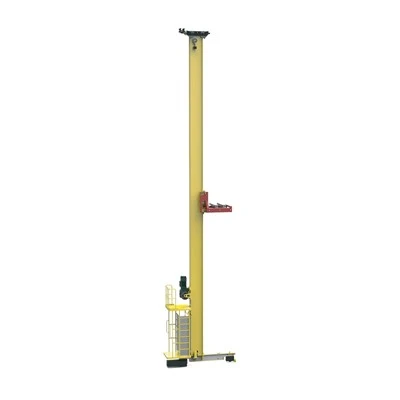
Vertical Conveyor Systems This article provides a comprehensive overview of the top 10 material handling equipment manufacturers in 2026, highlighting their strengths, innovations, and contributions to the global intralogistics industry. From regional specialists to global giants, these companies continue to drive the evolution of material handling through automation, sustainability, and digitalization, supporting businesses across all sectors to enhance efficiency and competitiveness in an increasingly complex supply chain landscape.
