Hey there! I’m an ASME flange supplier, and I know how crucial it is to ensure the tightness of ASME flanges. In this blog, I’m gonna share some tips and tricks on how to make sure those flanges are as tight as they can be. ASME Flange

Understanding ASME Flanges
First off, let’s talk a bit about ASME flanges. ASME, which stands for the American Society of Mechanical Engineers, sets the standards for these flanges. These standards ensure that the flanges are of high quality and can withstand different pressures and temperatures.
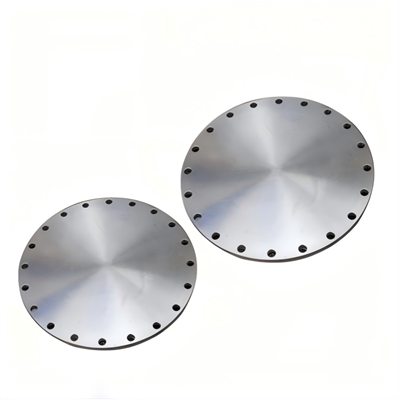
ASME flanges come in various types, like weld – neck flanges, slip – on flanges, blind flanges, and socket – weld flanges. Each type has its own unique features and is used in different applications. For example, weld – neck flanges are great for high – pressure applications because they’re welded directly to the pipe, providing a strong connection.
Factors Affecting Flange Tightness
There are several factors that can affect the tightness of ASME flanges.
1. Gasket Selection
The gasket is a key component in ensuring flange tightness. It fills the gap between the two flange faces and prevents leakage. You gotta choose the right gasket material based on the application. For instance, if you’re dealing with high – temperature applications, you might want to use a graphite gasket. Graphite can handle high temperatures and is also resistant to chemicals. On the other hand, if it’s a low – pressure and low – temperature application, a rubber gasket might do the trick.
2. Bolt Torque
Bolt torque is super important. If the bolts aren’t tightened enough, the flange won’t be tight, and there’ll be a risk of leakage. But if you over – tighten the bolts, you can damage the flange or the gasket. You need to follow the torque specifications provided by ASME. These specs take into account the size of the flange, the type of gasket, and the pressure the flange will be under.
3. Flange Surface Finish
The surface finish of the flange faces matters a lot. A rough surface can prevent the gasket from sealing properly. The flange faces should be smooth and free of any scratches, pits, or rust. You can use a surface finish gauge to check the smoothness of the flange faces. If the surface finish isn’t up to par, you might need to machine the flange faces to get the right smoothness.
4. Installation Conditions
The way you install the flanges also affects their tightness. Make sure the flanges are properly aligned before you start tightening the bolts. Misaligned flanges can cause uneven stress on the gasket, leading to leakage. Also, during installation, keep the flange faces clean and free of any debris. Even a small piece of dirt can prevent a proper seal.
Steps to Ensure Flange Tightness
1. Gasket Installation
When installing the gasket, make sure it’s centered between the two flange faces. You can use a gasket alignment tool to help with this. The gasket should fit snugly and cover the entire sealing area. Also, check the gasket for any damage before installation. A damaged gasket won’t seal properly.
2. Bolt Tightening
Start by hand – tightening all the bolts evenly. Then, use a torque wrench to tighten the bolts to the specified torque. It’s a good idea to tighten the bolts in a criss – cross pattern. This helps to distribute the stress evenly across the flange. After the initial tightening, re – check the torque after a short period, like 24 hours. This is because the gasket might compress a bit over time, and you might need to re – tighten the bolts to maintain the proper seal.
3. Inspection
After installation, do a visual inspection of the flange connection. Look for any signs of leakage, such as wet spots or drips. You can also use a pressure test to check the tightness. Apply a pressure to the system and monitor the pressure for a certain period. If the pressure drops, it could indicate a leak in the flange connection.
Maintenance and Monitoring
Once the flanges are installed and tightened, it’s important to maintain and monitor them. Regularly check the bolts for any signs of loosening. You can use a thread – locking compound on the bolts to prevent them from loosening over time. Also, inspect the gasket for any signs of wear or damage. If you notice any issues, replace the gasket or re – tighten the bolts as needed.
Conclusion
Ensuring the tightness of ASME flanges is a multi – step process that involves proper gasket selection, correct bolt torque, good surface finish, and proper installation. By following these steps, you can minimize the risk of leakage and ensure the safety and efficiency of your piping system.
ASME Flange If you’re in the market for high – quality ASME flanges and need more advice on flange tightness or any other related issues, don’t hesitate to reach out. We’re here to help you with all your flange needs and ensure that you get the best products and solutions for your applications.
References
- ASME Boiler and Pressure Vessel Code
- Manufacturer’s guidelines for ASME flanges
- Industry best practices for flange installation and maintenance
Hebei Haihao Group Huadian High Pressure Pipe Fittings Co., Ltd.
As one of the most professional asme flange manufacturers and suppliers in China, we are able to meet the needs of the majority of our customers. Please rest assured to wholesale high quality asme flange made in China here from our factory. For price consultation, contact us.
Address: Donglin Industrial Zone, Mengcun County, Cangzhou City, Hebei Province, China
E-mail: haihaohuadian@outlook.com
WebSite: https://www.hhfittings.com/
