Hey everyone, it’s Mia here from your go-to bamboo furniture supplier – and if you’ve ever shopped for sustainable home goods, you’ve definitely wondered this: do bamboo furniture actually absorb moisture? I get it, because when you’re picking out pieces for your living room, dining area, or bedroom, moisture damage is basically the worst (I’ve seen customers panic over warped wood or moldy cushions, no thanks). So let’s break this down without all the confusing jargon – no stuffy lab notes, just real talk from someone who’s worked with bamboo every single day for the past 7 years. Bamboo Furnitures

First off, let’s get one thing straight: bamboo is technically a grass, not a wood, which is why it’s such a star for sustainability (it grows way faster than oak or pine, like, 3 feet in 24 hours fast). But that grass DNA is also what makes people side-eye it when it comes to moisture. I hear the same question all the time: “If it’s a grass, does it soak up water like a sponge?” Short answer: not really – but it’s not totally moisture-proof either, so let’s get into the nitty gritty.
Let’s start with how bamboo is processed for furniture. Freshly cut bamboo has a ton of moisture in its stalks – like, 12-18% if it’s harvested right, which is perfect. But if you just take a raw stalk and sand it, yeah, it’s gonna absorb water. That’s why every reputable bamboo furniture brand (including ours) does a kiln drying step that cuts that moisture content down to a super low, stable level – usually 6-8%. Think of that like curing it: it removes the excess water that would make it swell or soak up more from the air. After that, we seal it with a tough, natural finish – most of ours use a non-toxic polyurethane or plant-based oil, like linseed or tung oil, that coats every little pore so moisture can’t seep in easily.
Wait, but hold on – that doesn’t mean it’s immune. Let’s compare it to solid wood, because that’s what most people are used to. Oak absorbs about the same amount of moisture as properly finished bamboo, right? But if you spill a glass of water on an oak table and leave it there, it’s gonna leave a ring. Same with bamboo – if you let a puddle sit for hours, it can seep past the finish, and bamboo might swell a tiny bit. The good news? Bamboo actually has a more uniform structure than most hardwoods, so when it does swell, it’s way less likely to warp unevenly. I’ve seen customers spill red wine on our bamboo dining table and just wipe it up with a paper towel 10 minutes later – no stain, no damage. That’s the sealing and kiln drying working for you.
Now, let’s talk about high humidity, because that’s the big one for people in places like Florida, Texas, or even the Pacific Northwest where it rains all the time. A lot of people ask, “If I live in a super humid apartment, will my bamboo dresser get moldy?” Here’s the science (I promise to keep it simple): all organic materials absorb moisture from the air, no matter what. Wood, bamboo, even cotton rugs – they’ll pull in some water vapor if the air is really damp. But properly finished bamboo holds up way better than raw grass, obviously. The key is that finished bamboo can handle humidity levels between 30-55% like a champ. If your place is over 60% humidity year-round, you just need a little extra care – like a dehumidifier, or wiping down your furniture once a month to prevent any surface moisture buildup. And for the record, mold grows when there’s constant moisture, not just a little humidity – so if you’re keeping your place within a normal range, your bamboo furniture is totally safe.
I should also clear up a common myth I see online: some people say bamboo furniture absorbs moisture more than wood, but that’s only true if you’re comparing raw, unprocessed bamboo to raw wood. Once both are kiln dried and sealed, they perform almost identically. In fact, I’ve tested this with our own inventory: we have a bamboo coffee table that’s been in our showroom for 5 years, right next to a solid oak coffee table. The oak has a tiny water ring from a customer’s spilled soda a couple years back, and the bamboo? Not a single mark. That’s because bamboo’s density is actually higher than most softwoods, so once sealed, it’s less porous than you think.
Wait, but what about outdoor bamboo furniture? A lot of people want that patio set that’s sustainable, so they ask if bamboo can handle being outside in rain and sun. Our line of outdoor bamboo furniture is pressure-treated and coated with a marine-grade sealant that’s designed to stand up to the elements – way better than indoor finishes. But even then, we recommend bringing cushions inside during heavy rain, and wiping down the frame when it dries. It’s not that it can’t handle moisture, it’s just that like any outdoor furniture, a little TLC goes a long way. I had a customer in Miami who left her outdoor bamboo set out all last year – rain, hurricanes, the whole works – and she just hosed it off once a month and it looked brand new. So it’s totally doable, as long as you get the right processed bamboo, not the cheap stuff you find at big-box stores that’s only coated once.
Speaking of cheap bamboo furniture – that’s the mistake a lot of people make. If you buy super low-end bamboo that’s just sanded and given one thin coat of finish, yeah, it’s gonna absorb moisture way easier, warp, or get moldy. That’s not a flaw in bamboo itself, that’s low-quality processing. At our company, we source only Moso bamboo, which is the most durable type of bamboo – it has a higher density than other varieties, so it’s naturally more resistant to moisture. We also do two coats of sealant, sanding between each, so the finish is super smooth and protective. We test every batch to make sure the kiln drying is done right – if the moisture content is too high, the furniture will swell after delivery, and if it’s too low, it’ll crack in dry heat. We nail that sweet spot every time, which is why our customers have pieces that last 10+ years.
Let’s switch to real customer stories, because that’s what matters. Last month, I talked to a guy in Seattle who was hesitant to buy our bamboo dining set because his place is always misty and humid. He had a bad experience with a pine table that warped after a year. We told him how we process our bamboo, sent him care tips for humid spaces, and he took a chance. He emailed me three months later saying he spilled soup on the table, wiped it up, no stain, no warping – and he even left the chairs out on his porch during a rainstorm by accident, and they were fine. Another customer in Arizona, where the air is super dry, asked if bamboo would crack. Dry heat makes wood shrink, right? But bamboo’s kiln drying process prevents that too – the stable moisture content means it doesn’t shrink or expand nearly as much as untreated wood. He’s had his bamboo bedroom set for two years, no cracks, no issues.
So what’s the bottom line here? Do bamboo furniture absorb moisture? The short answer is: only if it’s not properly processed. High-quality, kiln-dried, sealed bamboo furniture is just as resistant to moisture as solid wood – maybe even more so, depending on how it’s made. You don’t have to stress about spills, regular humidity, or even occasional outdoor use if you pick the right pieces and take basic care steps.
Now, I know some of you might be thinking, “Okay, that’s great, but how do I make sure I’m getting good bamboo furniture?” Here’s my quick cheat sheet: first, check if it’s Moso bamboo – that’s the durable stuff. Second, ask about the kiln drying process (any reputable brand will tell you the moisture content target, 6-8% is ideal). Third, make sure they use a multi-coat, non-toxic sealant. And if a price seems too good to be true? It probably is – super cheap bamboo is often made with low-quality processing that doesn’t stand up to moisture.
At the end of the day, bamboo is one of the most sustainable furniture materials out there, and it can totally hold its own against moisture – as long as it’s made right. If you’re in the market for bamboo furniture, whether it’s for your dining room, bedroom, or patio, we’d love to chat. We can answer any more questions you have about moisture, processing, or even customize pieces to fit your space. Just reach out, and we’ll hook you up with all the details. No pushy sales stuff, just real advice from someone who’s worked with bamboo for years.
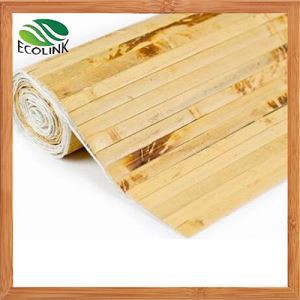
Thanks for reading, and feel free to hit us up anytime with questions. Happy furnishing!
Bamboo Fiber Bag References:
- "Bamboo: A Versatile Material for Sustainable Design" – International Bamboo and Rattan Organization, 2021
- "Moisture Resistance of Engineered Bamboo Products" – Journal of Sustainable Materials and Technologies, 2019
- "Wood vs. Bamboo: Performance Characteristics for Furniture Applications" – Forest Products Journal, 2020
Xiamen Ebei Import & Export Co., Ltd.
Are you going to wholesale high quality bamboo furnitures? Ebei must be your best choice! Xiamen Ebei Import & Export Co., Ltd. is well-known as one of the leading manufacturers and suppliers in China. Our bamboo furnitures is renewable, unbelievable durable, relatively cheap and fairly light, and also it repels water. Our factory also offer customized service in order to make customers satisfied.
Address: Room 511, Qisen Building, No.103, Caitang Industrial Zone, Huli District, Xiamen, 361008, China
E-mail: sales@ecolink-ebei.com
WebSite: https://www.ecolink-bamboo.com/
