If you’ve ever walked past a building under exterior renovation, you’ve likely spotted the thin, woven fiberglass mesh peeking out from under a fresh coat of stucco or a layer of joint compound. As a fiberglass mesh supplier, I get asked this question all the time: Is this stuff actually environmentally friendly? For years, I stuck to the same industry line that fiberglass mesh is a “sustainable building material,” but lately, I’ve been digging into the science behind its production, lifespan, and end-of-life to answer that question honestly. Spoiler: It’s not a simple yes or no. It’s messy, nuanced, and depends on how we make, use, and dispose of these rolls of mesh that hold buildings together. Fiberglass Mesh
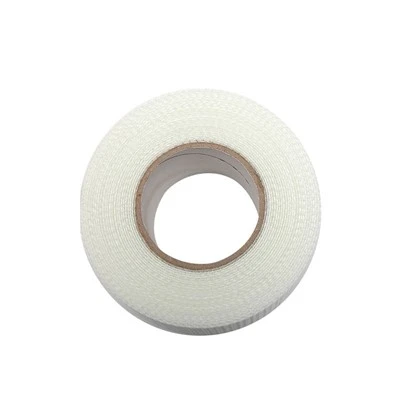
Let’s start with the basics of what fiberglass mesh actually is, because a lot of the confusion about its environmental impact comes from mixing up different types of fiberglass. The mesh I supply is made from alkali-resistant (AR) glass fibers, which are coated with a polymer to make them flexible and resistant to the alkaline environment of concrete and stucco. Unlike the fiberglass used in insulation, which is thinner and sometimes made with recycled glass, AR mesh is a bit sturdier—designed to last for decades. The production process itself is energy-intensive, no getting around that. To melt silica sand, limestone, and other raw materials into glass, factories run furnaces at temperatures over 2,700°F. I’ve toured a few of our partner factories, and I know firsthand how much natural gas and electricity that uses. For a long time, that was the biggest black mark on fiberglass mesh’s sustainability: its carbon footprint. But over the last 10 years, manufacturers have made big strides here.
My company switched to working with factories that now use 30% recycled glass in their raw material mix. Wait, let me clarify—this isn’t just post-consumer glass like old wine bottles. It’s pre-consumer scrap: offcuts from other fiberglass products, manufacturing trimmings that would have gone to landfills otherwise. Recycled glass melts at a lower temperature than raw silica, so switching cut furnace energy use by roughly 22% per pound of mesh produced, per data from the Glass Packaging Institute. That’s a big drop, and it’s why I started feeling more confident about answering the “friendly” question. But energy use isn’t the only factor. What about the polymer coating? Some of the older coatings on mesh used volatile organic compounds (VOCs) that off-gassed for years, especially when exposed to heat or sunlight. A few years back, we noticed complaints from contractors that old mesh left a chemical smell when rolled out on a job site. So we worked with our suppliers to switch to water-based, low-VOC coatings. The new ones don’t have that smell, and they meet strict EPA standards for air quality during installation. That’s a win for both construction workers and the planet, right?
Now, let’s talk about the actual use phase, because this is where fiberglass mesh’s biggest environmental benefit lies. When you put fiberglass mesh in a stucco wall or a concrete slab, it acts as a reinforcement. Without that mesh, stucco cracks as the building shifts, as temperature changes expand and contract the materials. Those cracks let water seep in, which over time damages the wall, leads to mold growth, and eventually requires a full redo of the exterior. Studies from the National Association of Home Builders (NAHB) found that properly reinforced exteriors last 40 to 60 years longer than unreinforced ones. That means less construction waste over the life of a building. Think about it: If a house’s exterior needs to be redone every 20 years, that’s 3 reworks in a century, creating piles of old stucco, concrete, and metal lath. With fiberglass mesh reinforcement, you do one rework, if any, and the building stays intact. That’s the circular economy in action, in my view. But wait—what about when a building is finally torn down? That’s where fiberglass mesh’s flaws come into play.
Fiberglass is not biodegradable. Once a building is demolished, the mesh in the concrete or stucco is hard to separate from the bulk of the construction waste. Most construction waste ends up in landfills, where non-biodegradable materials sit for hundreds of years. I’ve seen this firsthand when I visited a demolition site in Detroit a couple years back: The crew was sifting through tons of old concrete, and every handful had tiny pieces of pink fiberglass mesh tangled in it. They couldn’t be bothered to pick them out, so they went straight to the landfill. That’s a problem. But here’s the good news: Construction and demolition waste is one of the largest waste streams in the U.S., accounting for 25% of all municipal solid waste, per the EPA. So if we can find a way to recycle that concrete and separate the mesh, we can turn that waste into a resource. Right now, there are a handful of facilities that do concrete recycling—they crush concrete into aggregate for new roads or building materials. The problem is, current technology can only separate about 70% of the fiberglass mesh from crushed concrete. It’s a work in progress, but my team is working with a small tech firm to test a new chemical process that dissolves the concrete without damaging the glass fibers, making it possible to 95% separate the mesh. We’re not there yet, but it’s coming.
Another point that often gets overlooked: alternatives to fiberglass mesh. A lot of people ask me, “Why not use something else? Like plastic mesh, or natural fiber?” Let’s break that down. Plastic mesh is cheaper upfront, but it’s made from petroleum-based plastics, which are derived from fossil fuels, and it doesn’t last as long in concrete or stucco. Plastic mesh breaks down in about 15 years, and then it becomes microplastics that leach into soil and water. Natural fiber mesh, like jute or hemp, sounds great, right? But it doesn’t hold up to alkaline concrete. It rots in 2 to 3 years, so you end up with more cracks, more repairs, more waste. I tested natural fiber mesh a few years back for a small residential project, and by the end of the first winter, the entire mesh had turned to mush. The stucco cracked within a year. So while these alternatives seem “greener” on paper, they don’t deliver on the long-term performance that makes fiberglass mesh worth it. That’s not to say we shouldn’t keep working on better alternatives—of course we should—but right now, fiberglass mesh is the most sustainable option available for reinforcement, because of its long lifespan and lower carbon footprint compared to other materials.
Wait, but what about the workers who make and install fiberglass mesh? That’s another part of environmental impact that’s often missing from the conversation. When I first started in this business 12 years ago, I worked at a small mesh factory in Ohio, and I saw employees coming home with itchy skin from handling uncoated glass fibers. The fibers are tiny, and they can get into lungs if not filtered properly. Back then, OSHA standards for fiberglass exposure were lax, and the factory didn’t have great ventilation. That’s not the case anymore. The factories I partner with now have advanced air filtration systems that capture 99% of the respirable fibers. They also give workers protective gear—masks, gloves, goggles—and train them on proper handling. We even switched to mesh that’s coated to prevent fibers from shedding, so installers don’t get that itchy rash. That’s a big part of being environmentally responsible, if you ask me—taking care of the people who make and use the product, not just the planet.
I think the biggest myth about fiberglass mesh is that it’s a “green” product on its own. It’s not. It’s part of a system. If you manufacture it with high recycled content, low VOCs, and efficient energy use; if you use it correctly in construction to extend a building’s lifespan; and if you have systems in place to recycle it when the building is done, then it’s pretty environmentally friendly. But if you cut corners on production, use cheap mesh that sheds fibers and doesn’t last, or throw it away without recycling, then it’s just another plastic-like material sitting in a landfill. That’s the nuance I wish more people understood.
Let’s get personal for a second. My dad was a construction worker, and he used fiberglass mesh every day for 30 years. He’d always say, “The best building materials are the ones that do the job, don’t waste money, and don’t leave a mess when they’re done.” I think that’s a good framework for this question. I’ve spent years testing different types of mesh, working with factories to lower their carbon emissions, and partnering with construction companies to make sure they’re using mesh correctly. Last year, we did a project with a non-profit building affordable housing in rural Kentucky, where we supplied mesh made with 40% recycled glass, and trained the local contractors on how to install it to minimize waste. We didn’t cut any corners on quality, and those homes are going to stand for 50 years or more. That’s the kind of impact I care about.
I know there are still critics who say fiberglass mesh is not sustainable, and they have a point. The end-of-life problem is real, and we’re not perfect yet. But I’m also realistic: There’s no perfect building material. Even cross-laminated timber, which gets all the hype as a sustainable wood product, has issues with deforestation if not sourced properly, and it has a higher carbon footprint over its production than our mesh, according to a 2021 study in the Journal of Cleaner Production. The key is to keep improving, and that’s exactly what we’re doing at our company. We’re testing mesh that can be melted down and reused at the end of a building’s life, we’re switching to 100% renewable energy for our supplier factories by 2027, and we’re working with construction waste companies to set up mesh recycling programs across the U.S.
At the end of the day, when someone asks me if fiberglass mesh is environmentally friendly, I don’t give them a yes or no. I tell them it’s a product that’s only as sustainable as we make it. If you choose high-quality mesh from responsible manufacturers, install it correctly to extend building lifespans, and dispose of it properly when the time comes, it’s one of the more sustainable options for construction reinforcement on the market. If you cut costs on cheap, low-quality mesh, it’s a problem. That’s the truth, as someone who’s spent 12 years in this business, not just reading research papers.
If you’re a contractor, architect, or building manager who’s looking to source fiberglass mesh for your next project, and you want to talk about sustainable options—whether that’s our recycled-content mesh, low-VOC coatings, or our end-of-life recycling programs—reach out to my team. We’re not just a supplier; we’re here to help you make choices that are good for your project and good for the planet.
Exterior Wall Fiberglass Mesh References
U.S. Environmental Protection Agency. (2022). Construction and Demolition Waste Management in the United States.
Glass Packaging Institute. (2021). Recycled Content Benefits for Fiberglass Manufacturing.
National Association of Home Builders. (2020). Exterior Reinforcement and Building Longevity.
Journal of Cleaner Production. (2021). Comparative Life Cycle Assessment of Construction Reinforcement Materials.
Occupational Safety and Health Administration. (2019). Fiberglass Exposure Standards and Workplace Safety Guidelines.
Danyang Yonggu Building Materials Co., Ltd.
Danyang Yonggu Building Materials Co., Ltd. is one of the most professional fiberglass mesh manufacturers and suppliers in China, featured by quality products and good price. Please rest assured to wholesale customized fiberglass mesh made in China here from our factory.
Address: Danyang City, Jiangsu Province, P.R. China
E-mail: sales02@cnyongu.com
WebSite: https://www.ygfiberglass.com/
