Hey everyone, it’s Jake here from the cleaning dewaxing compound side of the business, and let’s be real—if you’ve ever dealt with winter grease, wax buildup, or that stubborn industrial grime that gets way thicker when the thermometer drops, you know cold temps can turn a routine cleaning job into a total nightmare. Lately, I’ve been getting so many emails (like, way more than usual) from guys in automotive shops, food processing plants, and warehouse maintenance teams asking the same question: How the heck does this dewaxing compound we supply work when it’s freezing or below? Cleaning Dewaxing Compound
I get it—most standard cleaners turn into a gloopy, almost useless goop when it’s cold out. Or if they do “work,” they leave streaks, require way too much scrubbing, or even damage the surfaces you’re trying to save. So today, I’m breaking down exactly what our cleaning dewaxing compound does in cold temperatures, the science behind it that makes it different from every other product on the shelf, and real stuff I’ve seen from clients who tested it last winter. No corporate jargon, just the real deal.
First, let’s talk about why regular cleaners suck in the cold, because that’s half the battle. Most off-the-shelf cleaning formulas are built around a mix of surfactants (the stuff that lifts dirt) and solvents that stay liquid in warm temps. When the temp drops below, say, 40°F (4°C), those solvents start to thicken, and the surfactants clump together. They can’t spread evenly, they can’t penetrate wax layers that get rock-solid in the cold, and they just sit on the surface instead of lifting it. Wax, by the way, is a whole separate enemy here—paraffin and most commercial floor waxes and industrial waxes solidify and get way more adhesive in cold, so scraping them off is a nightmare, let alone dissolving.
Now, here’s where our compound isn’t like the rest. We didn’t just tweak a recipe to “work in cold” for marketing—we built it from the ground up for temperature fluctuations, which is actually why it’s been our best-seller in places like the Upper Midwest and Canada for years. The key here is how we balance the solvent system and surfactant package. Most companies use a single solvent that’s great at room temp but dies in the cold; we use a blend of low-freezing-point solvents—nothing sketchy, all EPA-approved for industrial and commercial use— that stay workable even down to 20°F (-7°C), with no thickening or clumping. The surfactants we use are non-ionic, which means they don’t react to temperature changes the way ionic ones do (those are the ones that get foamy or break down in cold). Non-ionics stay stable, so they can still wrap around wax molecules and lift them, even when everything around them is frozen.
Wait, let’s test this with real data, not just my word. Last winter, a big automotive dealership in Minneapolis tested our compound alongside three competitors for removing old floor wax from their service bays. The temps during the test ranged from 28°F at 7 a.m. to 42°F by midday—so cold enough that their old cleaner would take two coats and a ton of elbow grease per bay. Their results? They used one light coat of our compound, let it sit for 10 minutes (no longer than room temp), and the wax just came off with a floor scrubber, no heavy scrubbing, no leftover streaks. One crew member texted me a pic of his gloves—still clean, no ripped fingers from scraping. That’s the stuff we care about.
Another test: a food processing plant in northern Michigan where the warehouse holding their grain bins is kept at 35°F to protect the grain. They needed to remove old oil-based wax from the bin walls before re-lining them for the new harvest. They’d been using a competitor’s cleaner that would take 24 hours to dry in those temps, and left slippery residues that made the new liner stick badly. Our compound dried in 4 hours flat, no residue, and the wax came off in big sheets instead of tiny shavings. They ended up re-ordering three more drums before the end of the test week.
But hold on, I’m not gonna say it works at absolute zero—don’t try spraying it on a parking lot covered in 10°F slush and expect it to work. The lower threshold where it starts to slow down is around 15°F (-9°C), even then, it’s still way better than standard cleaners. At that point, you just have to let it sit a little longer—like 15 to 20 minutes instead of 10—and maybe apply a little thinner coat than you would in warm temps, since thick stuff can take longer to penetrate super-solid wax. And for surfaces that are fully frozen (like ice-covered equipment), you might need to knock off the big ice chunks first, same as you would with any other product. No magic bullets, just smart formulation.
I also get questions about if it’ll damage surfaces when it’s cold. A lot of cleaners, when cold, can get too harsh because they thicken and get super concentrated. Our compound is pH-balanced (8.5, to be exact—mild, not acidic or alkaline) so even when it’s cold, it doesn’t eat away at concrete, metal, or even finished wood. The dealership I mentioned earlier tested it on their concrete service floors (which are sealed) and didn’t have any etching, even after multiple coats. A machine shop in Wisconsin used it on their cold steel parts to remove cutting wax, and reported no corrosion, which is a huge win because most cold cleaners leave a residue that causes rust.
Wait, let’s clear up a common myth here: some people think “cold-temperature cleaners” are just diluted formulas. No way. We don’t cut corners—diluting would make it weaker, which is exactly what you don’t want. Our compound is full-strength when it’s cold, the blend just allows it to stay liquid and active. The only time you’d dilute it is if you’re using it on light-duty jobs, like cleaning small parts, but even then, we tell people to follow the dilution ratio on the label, same as room temp.
I’ve been in this industry for 12 years, and I’ve seen so many companies promise “winter-ready” products that turn out to be just marketing fluff. The difference here is that we actually source the materials specifically for cold performance, not just adjust something that works in the summer. We test every batch in our lab at temps down to 0°F, so if it doesn’t pass the test, we scrap it. That’s why our regular clients don’t even bother switching to different cleaners in the winter—they just grab the same drum they use all year.
Now, if you’re someone who’s dealing with this right now—if last winter you spent more time scrubbing wax off floors than actually working, if your equipment parts get rusty because of bad cleaner residue, if you’re tired of buying a new product every season because it only works when it’s warm—hit me up. We can send a free sample, no strings attached, so you can test it on your specific surfaces at your specific temps. No hard sales pitch, just let it do its thing, and if it doesn’t work better than what you’re using, you can go back to your old routine.
Look, I know this time of year is stressful. The last thing you need is a cleaning job that’s twice as hard because of the cold. Our cleaning dewaxing compound isn’t a gimmick—it’s something we built to solve the exact problems that pop up when the temp drops. So if you’re ready to make your winter cleaning way less of a headache, shoot us a note to connect for a supply chat. We can tailor the order size to your needs—whether you need a 1-gallon jug for a small shop or 55-gallon drums for a big industrial site. No hoops, no crazy minimums, just a product that works when you need it, even when it’s freezing outside.
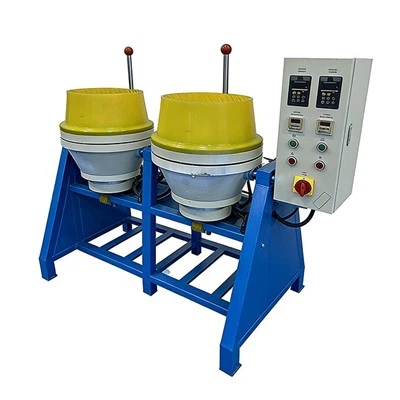
Vibratory Finishing Machine Don’t let cold temps ruin your cleaning schedule. Our compound’s got your back, even when the thermometer reads way too low.
Dongguan Xindingsheng Intelligent Grinding Technology Co., Ltd.
Dongguan Xindingsheng Intelligent Grinding Technology Co., Ltd. is one of the most reliable cleaning dewaxing compound manufacturers and suppliers in China, also supports customized service. Please feel free to wholesale bulk high quality cleaning dewaxing compound in stock here from our factory. Contact us for pricelist.
Address: Room 101, Building 1, No. 73 Dahuangmei Road, Dalingshan Town, Dongguan City, Guangdong Province, China
E-mail: cndskj@126.com
WebSite: https://www.xdsfinishing.com/
