If you’re in the market for Aluminum Clad Steel Wire (ACSW), you probably already know it’s a workhorse—perfect for power transmission lines, fencing, electrical grounding, even some DIY projects around the worksite. But here’s the thing: I’ve been supplying ACSW for over 12 years, and I can’t tell you how many times I’ve seen good wire go bad because someone didn’t store it right. Sure, it’s tough, but it’s not invincible. Ignore the basics, and you’ll end up with corroded strands, broken connections, or even wasted cash on wire that’s useless when you need it most. So let’s cut through the fluff—this is all the no-BS storage advice I live by, straight from a guy who’s got ACSW in my bones (or at least my delivery truck). Aluminum Clad Steel Wire
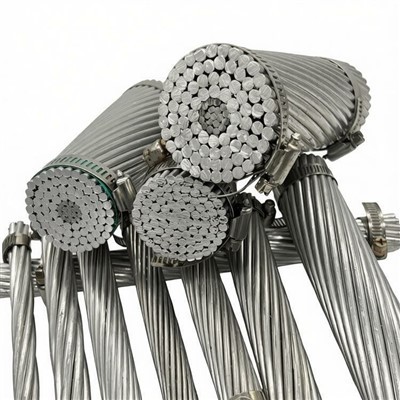
First, let’s start with why storage even matters for ACSW. A lot of folks think aluminum clad on steel is indestructible, right? The aluminum layer is supposed to protect the steel core from rust, so why fuss over how you tuck it away? Newsflash: that thin aluminum sheath isn’t unbreakable. Scratches, dents, or exposure to the elements can chip away at that layer, and once the steel core is exposed, corrosion kicks in fast—especially if you’re in a place with high humidity, salt air, or even just a lot of dust. And don’t get me started on how improper storage can mess with the wire’s tensile strength. If it’s left coiled too tight for months on end, it can develop “set” (that permanent bend that makes it hard to pull straight when you’re laying lines). I’ve had a few clients come to me swearing their new wire was defective… until I saw they’d been piling it in a wet shed for six months. 9 times out of 10, it’s not the wire—it’s how they stored it.
Now, let’s get to the good stuff: the actual steps to store ACSW like a pro. Let’s break this down into the immediate, medium, and long-term stuff, depending on how long you’re holding onto it.
First, unboxing and initial setup—this is where a lot of people mess up right out the gate. When we ship our ACSW, it’s usually on sturdy wooden reels, right? Those reels are actually designed to make storage easy, not just a way to haul it. Don’t yank the wire off the reel and just toss it in a pile—that’s asking for kinks and scratches. The first thing I tell every new client is: leave it on the reel if you can. Reels keep the wire evenly wound, so no tangles, no uneven tension. Plus, you can lift and move it way easier than a big pile of loose wire. But wait—what if you have to take it off the reel? Maybe you’re using a small batch right now and want to save the rest. If that’s the case, invest in some heavy-duty wire spool holders (the kind with a crank that lets you unwind slowly without kinking). Never just pull the wire off the reel by hand—you’ll end up with snags that can damage the aluminum layer. Oh, and one quick tip: when you do cut the wire, use a sharp wire cutter, not a hacksaw or a pair of scissors that’s too small. Jagged cuts will leave sharp edges that can scratch the rest of the wire on the reel.
Next, location is everything. You can’t store ACSW just anywhere—dump it on the ground outside and you’re already asking for trouble. Let’s talk about the basics: keep it dry. Water is the enemy here, especially if it’s sitting on concrete (which holds moisture) or in a place that gets rain, snow, or even high humidity. If you’re storing it outdoors temporarily, don’t just drape a tarp over it—wait till the next sunny day and let it air out, because trapped moisture under a tarp is like a sauna for corrosion. If you’re storing it long-term, keep it inside: a dry warehouse, a covered garage, even a tight storage closet if it’s a small batch. And if you’re in a salty area (like near the coast), extra important—salt air eats through aluminum fast, so make sure the space is well-ventilated but not exposed to wind that blows salt spray around. Another thing to avoid: direct sunlight. UV rays can break down the aluminum layer over time, making it more prone to scratches and corrosion. I once had a client store a reel on his back porch for a year, and half the aluminum was faded and flaky—never again.
Then, how you position the reels (or loose wire) is key, especially for long-term storage. Let’s start with reels: never stack them flat on top of each other. If you have 5 reels, stacking them like pancakes will crush the bottom ones, damaging the wire and maybe even cracking the reel wood. Instead, stand them on their ends, like records on a shelf. That takes pressure off the wire wind, prevents set, and lets air circulate around the whole reel. If you don’t have a shelf, use pallet racks—most warehouses have these, and they’re perfect for holding reels upright. Now, if you did take the wire off the reel and are storing it loose (don’t do this long-term, but sometimes it’s necessary), coil it loosely into big, round loops (about 3 feet across) and lay them on top of pallets. Never set them directly on the ground—pallets keep them elevated off moisture, and the air under the pallet helps keep them dry. And for the love of all things wire, don’t pile loose wire up in a heap—all the weight on the bottom loops will crush the wire, causing kinks that are impossible to straighten without breaking.
Now, what about maintenance? You can’t just lock the door and forget about it for a year. Check on your ACSW every 3-6 months, depending on how harsh your storage conditions are. Grab a few random reels (or loops) and do a quick inspection: look for scratches, dents, or flaky aluminum. Wipe off any dust, dirt, or moisture with a dry cloth or a soft brush—don’t use water or chemicals, that can make corrosion worse. And if you see any signs of rust starting (little brown spots on the steel core where the aluminum is damaged), take care of it right away. I keep a can of anti-corrosion grease (the kind made specifically for aluminum-steel connections) on hand for this. Just dab a little on the damaged spot, and it’ll slow down corrosion until you’re ready to use the wire. Pro tip: don’t use regular grease—some can eat through the aluminum layer, so stick to stuff meant for ACSW.
Wait, what about when you’re ready to use it? A lot of people think storage ends when you take it to the job site, but that’s not true. Don’t unspool your ACSW right on the ground—lay down a piece of cardboard or a plastic sheet first, to avoid scratches from rocks or dirt. And when you’re pulling it from the reel, use a wire dispenser (that’s the little stand you can buy that holds the reel upright) instead of pulling it off the floor. It’s way easier on the wire, and it saves you from getting a kink that’ll throw off your whole installation. I’ve seen guys try to save time by yanking wire off the reel on the ground, and they end up wasting 20 minutes untangling a mess that should’ve been avoided.
Let’s talk about common mistakes I see all the time. First, ignoring moisture—even a little bit of water left on the wire for a few weeks can cause corrosion, especially if it’s combined with dust. Second, stacking reels flat—crushed reels mean damaged wire, full stop. Third, leaving it in direct sun or near chemicals (like pesticides or cleaning supplies) — those fumes can eat through aluminum faster than you’d think. And fourth, using the wrong tools to cut or pull the wire—jagged cuts and snags weaken the wire, even if you can’t see it right away.
Now, let’s get into why this actually matters for your projects. ACSW is used for power lines, right? If it’s corroded, the conductivity drops, which means your lines won’t work as well, and they might even break under tension. For fencing? Corroded strands can snap, leaving gaps in your fence that let livestock out. For electrical grounding? A damaged aluminum layer means the steel core is exposed, leading to bad connections and even safety hazards. So storing it right isn’t just about saving the wire—it’s about making sure your projects go off without a hitch, no last-minute surprises.
Look, I get it—storage is a pain. You’re busy, you’ve got a million things to take care of, and putting a reel on a shelf or a pallet is just another thing on your to-do list. But trust me, it’s way cheaper to spend 10 minutes setting it up right than to deal with a load of bad wire that’s useless when you need it. Over the years, I’ve cut my warranty calls for storage-related issues by 80% just by telling my clients these basic steps.
At the end of the day, I’ve been supplying ACSW for long enough to know that the biggest mistake people make is underestimating how much care this wire needs. It’s a high-quality product, but it’s not indestructible. If you take a little time to store it right, it’ll last way longer, work better, and save you a ton of money in the long run.

If you’re looking for reliable ACSW or have questions about storing it, feel free to reach out. We’ve got all kinds of wire for different projects, and we’re always happy to help with storage tips that work for your space and timeline. Don’t hesitate to get in touch to chat about what you need.
Aluminum Clad Steel Wire References
- Aluminum Clad Steel Wire: Corrosion Resistance and Storage Best Practices, Industrial Wire & Cable Association, 2021
- Guide to ACSW Handling and Storage, National Electrical Manufacturers Association, 2019
- Effects of Environmental Factors on Aluminum-Clad Steel Conductors, Journal of Electrical Materials, Vol. 15, No. 3, 2020
Hebei Hualun Cable Co., Ltd.
As one of the leading aluminum clad steel wire manufacturers and suppliers in China, we offer a wide range of products with superior quality. We warmly welcome you to buy cheap aluminum clad steel wire for sale here from our factory. For price consultation, contact us.
Address: XINGBIEYING INDUSTRIAL ZONE, HEBEI PROVINCE CHINA
E-mail: steven@hualunchcable.com
WebSite: https://www.hualuncables.com/
