Hey there, fellow poultry parent! Let’s cut to the chase – nothing kills the joy of raising chickens, ducks, or turkeys faster than a fox sneaking through a gap, a hawk snatching a chick mid-forage, or a chicken escaping to tear up your neighbor’s prize tomato plants. I’ve spent the last 12 years running a poultry net supply business, and the question I get more than any other is: “What size of poultry net do I need for my flock?” I’ve seen folks grab a random roll of net from the hardware store, only to have it too short, too short, or too flimsy a week later – so today, I’m breaking down the science of measuring your space, your birds, and your predators to get this right on the first try. No guesswork, no wasted money, just practical, tested advice that I wish I’d had when I started my own backyard flock back in 2011. Poultry Net
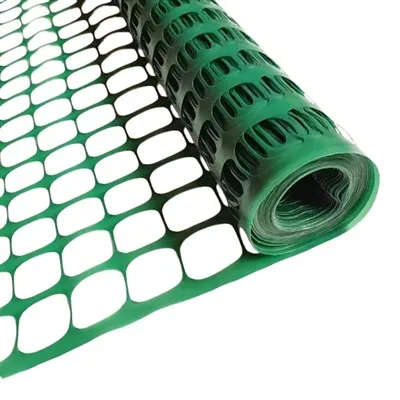
First, let’s start with the two basics you absolutely can’t skip: your total space (length and width) and the height you need to keep your birds safe. A lot of new keepers underthink height, but it’s non-negotiable for two big predator groups: aerial threats and curious escape artists. For aerial predators like hawks, owls, and even crows, standard backyard chickens can fly 3 to 6 feet high when spooked, and heavier breeds like Orpingtons or Jersey Giants might hit 4 feet if they’re motivated. But wait – I sell a lot of net that’s way taller than that, and here’s why: if you’re using the net as a full enclosed run (not just a fence), you need enough height to drape over the top, or to support a hoop frame, to keep predators from diving in. For free-range adjacent flocks where you’re using net to section off a yard or pasture, I always recommend a minimum of 5 feet tall – and 6 feet if you have light breeds like Leghorns that can fly even higher. If you’re raising turkeys or ducks, bump that up to 6 or 7 feet, because turkeys are shockingly good fliers (adult turkeys have been known to clear 8-foot fences) and ducks, while poor fliers, will huddle together and push each other up to escape over lower netting.
Next, length and width. This is where most people make their biggest mistake: they measure just the space their coop is in, not account for how much room their birds need. The USDA’s Small Flock Management Guide says each standard chicken needs at least 4 square feet of indoor coop space and 10 square feet of outdoor run space for daily use – but if you’re letting them forage or giving them more space to move, that number jumps to 25 square feet per bird. Let me use a real example: I had a customer last spring who had 12 Rhode Island Reds and a 10×12 foot patch of backyard he wanted to section off. He calculated 12 birds x 10 square feet = 120 square feet, and 10×12 is 120, so he bought 10 feet of net. A month later, he was back complaining his chickens were overcrowded and picking at each other. The problem? He didn’t account for the fact that netting runs along the outside of the space – not the inside. If your target area is 10 feet long and 12 feet wide, the net roll’s length has to cover the entire perimeter of that rectangle, not the area inside. Wait, no – hold on, let’s get that straight, because I confuse this with customers all the time. If you’re fencing a rectangular area, the perimeter is (2 x length) + (2 x width). So that 10×12 foot space has a perimeter of 44 feet, not 22 feet. Add another 10% to that to account for overlaps at the corners (you’ll want to overlap net sections by 6 to 12 inches to keep gaps) and to leave extra if you need to wrap around a tree or a garden bed, and that’s 48 feet of net, not 10. That’s a huge difference, and it’s why people end up with too much or too little.
Also, don’t forget to factor in extra space for expansions. If you plan to add more birds next year, or want to let your flock roam more in the future, buy a net that’s long enough now to grow into. I always tell customers: if you have 12 birds now, but want to get 6 more, calculate for 18 birds, not 12. It’s way cheaper to buy one extra roll than to have to redo your fence six months later.
Now, the mesh size – that’s another thing that’s easy to overlook, and it ties directly to your net’s effective size. Mesh is the size of the openings in the net, and it’s measured by the distance between the threads. For standard adult chickens, a mesh size of 2 inches x 2 inches is perfect – it keeps predators like raccoons, opossums, and weasels out, and lets air flow freely so your chickens don’t overheat in the summer. But if you have chicks or bantams (tiny chickens like Seramas or Silkies), you need a smaller mesh – 1 inch x 1 inch – otherwise a weasel or a small chick can squeeze through a 2-inch gap. For ducks, I recommend a 1.5-inch mesh, because ducks are a bit larger than bantams but still can get their heads stuck in wider mesh, and they’re targets for hawks too. A lot of cheap net at big-box stores has 3-inch mesh, which is great for garden fencing but useless for poultry – raccoons can reach through 3 inches and grab a chicken’s leg, so don’t skimp on mesh size just to save a few bucks.
Then there’s the type of poultry net, which affects how you measure size too. We sell three main types, and each has slightly different sizing rules:
-
Portable Poultry Netting: This is the lightweight, flexible net you use for rotational grazing (moving your flock to new grass every week) or temporary runs. It comes in rolls that are 3 feet, 4 feet, or 5 feet tall, and lengths from 50 feet up to 200 feet. For portable net, always go with the taller option if you’re moving it often – 4 or 5 feet, because you don’t want to have to reattach it every time you move it. Also, make sure the net has built-in loops or stake holes at the bottom, so you can secure it to the ground to keep foxes from digging under.
-
Permanent Poultry Fence Netting: This is the heavier, more durable net for coops that stay in one place. It’s 5 feet, 6 feet, or 7 feet tall, and lengths from 50 feet to 1000 feet for large pastures. For permanent runs, I recommend going with the tallest you can afford, even if you have small birds – it’s easier to keep predators out than to add extra net later.
-
Hawk Netting: This is the fine-mesh net you use to cover the top of your run, or to create a full enclosed aviary. It comes in widths up to 50 feet, so you can cover a large area without seams. Hawk netting is usually 10 to 15 feet tall, so it’s designed to drape over a frame, and the mesh is so small it keeps even small hawks from getting through.
Wait, let’s test this with a real customer example I had last month. A guy in Ohio had 15 chickens, wanted to section off a 20×30 foot area in his backyard, and wanted to keep hawks out. First, he needed perimeter: (2×20) + (2×30) = 100 feet. Add 10% for corners and overlaps: 110 feet. Height: 5 feet for the sides, plus 10 feet for the hawk net top. Mesh size: 2 inches for the sides, 1 inch for the hawk net. We recommended a roll of 5-foot permanent net (110 feet long) for the sides, and a roll of 10-foot hawk net (22 feet wide, enough to cover the 20×30 top) for the ceiling. He texted me two weeks later saying that foxes had already tried to dig under, but the net was staked properly, and hawks hadn’t bothered his chickens once. That’s exactly the kind of job we get right by following these rules.
Another thing to consider: ground clearance. You can buy poultry net that has a extra-long bottom mesh, called a “skirt,” that you can bury 6 to 12 inches in the ground to keep predators from digging under. If you don’t want to bury net, you can use landscaping stakes to pin the bottom of the net to the ground every 2 to 3 feet – that works too. But if you’re buying net that doesn’t have a skirt, you’ll need to add 1 foot to the total height of the net to account for the part you’ll bury or stake. That’s a common mistake – people measure the total height they need above ground, but forget the part that goes into the dirt.
What about free-range flocks? If you’re letting your chickens roam your whole backyard or pasture, you can still use poultry net to section off areas, or to create a “predator buffer” around the edge of your property. For free-range, I recommend a 6-foot tall net with 2-inch mesh, and running it along the fence line of your property, or around specific areas you want to protect (like vegetable gardens or chicken roosting spots). A lot of people use electric net for free-range, which is a thinner net with a low electric charge that keeps foxes and coyotes away – in that case, you still follow the same sizing rules, but you can go a bit lighter on the mesh because the electric charge adds an extra layer of protection.
Let’s go over a quick step-by-step guide to make sure you get it right:
Step 1: Count your exact number of birds. Remember, each bird needs at least 10 square feet of run space, so multiply your number of birds by 10 to get your total area in square feet.
Step 2: Measure your target space. For a rectangle, length x width = total area. Make sure the total area matches the number you just calculated (add more space if you can – overcrowding leads to stress and pecking).
Step 3: Calculate the perimeter. Perimeter = (2 x length) + (2 x width). Add 10% to that number for corners, overlaps, and extra space. That’s your net length.
Step 4: Choose your height. Minimum 5 feet for chickens, 6 feet for light breeds or turkeys, add 1 foot if you’re burying the net to stop digging predators. For hawk net, add 10 to 15 feet to cover the top of your run.
Step 5: Pick your mesh size. 2 inches x 2 inches for adult chickens, 1.5 inches for ducks, 1 inch for bantams or chicks. Avoid mesh larger than 2 inches for poultry – it’s a predator invitation.
If you’re still unsure, here’s a quick sizing cheat sheet I made for customers:
- 5-10 chickens: 50 feet of net, 5 feet tall, 2-inch mesh
- 10-20 chickens: 100 feet of net, 5-6 feet tall, 2-inch mesh
- 20+ chickens: 150+ feet of net, 6 feet tall, 2-inch mesh
- 5-10 turkeys: 100 feet of net, 6 feet tall, 2-inch mesh
- Chicks/bantams: Same as above, but 1-inch mesh
Wait, let me add a note about large pastures. If you have 50 or more birds and need to fence a whole pasture, don’t use individual rolls – we sell custom-cut netting that’s made to your exact length and height, which is cheaper and has fewer seams (seams are weak points where predators can get in). For example, a customer with 50 chickens and a 1-acre pasture (43,560 square feet) would need a perimeter of about 840 feet, so we can cut a single roll of 850 feet of 6-foot tall, 2-inch mesh net, which is way more durable than joining multiple smaller rolls.
I’ve been in this business long enough to know that the biggest mistake people make is cutting corners on size and quality. I had a customer two years ago who bought a $20 roll of net from a gas station, measured it wrong, and ended up with 10 feet of net for his 15-bird run. By the time he realized, the net had holes where a raccoon had chewed through, and he’d lost three chickens. That’s the kind of loss you can avoid by taking 10 minutes to measure correctly, instead of grabbing whatever’s on sale.
At the end of the day, the right size poultry net isn’t about buying the biggest roll you can find – it’s about matching your net to your specific flock, space, and predator threats. If you take the time to measure properly, account for extra space, and pick the right mesh and height, your net will keep your birds safe for years, save you money on replacements, and give you peace of mind.

If you’re still not sure what size you need, or you have questions about mesh, height, or custom cuts, don’t hesitate to reach out to our team for a no-obligation consultation. We’ve helped hundreds of backyard and commercial poultry keepers get the right net for their flocks, and we’re happy to walk you through every step of the process. Don’t let predators, escape artists, or overcrowding ruin your poultry-raising experience – get the right size net, and enjoy your flock knowing they’re safe and secure.
Plastic Square Mesh References:
USDA Small Flock Poultry Management Guide, 2021
National Pesticide Information Center: Predator Control for Backyard Poultry, 2022
University Extension Service: Housing and Fencing for Poultry, 2020
Shaoxing Yongte Plastics Co., Ltd.
We are one of the most reliable poultry net manufacturers and suppliers in China, specialized in providing high quality customized products. We warmly welcome you to wholesale discount poultry net for sale here from our factory. Contact us for pricelist and free sample.
Address: INDUSTRIAL PARK, LIZHU TOWN, KEQIAO DISTRICT, SHAOXING CITY, ZHEJIANG PROVINCE
E-mail: support@sxxyongte.com.cn
WebSite: https://www.fenceplastic.com/
