Hey there, I’m Jake, and for the past 12 years, I’ve been working hands-on as a steel structure supplier, walking job sites from downtown high-rises to rural agricultural storage barns, and answering one question I hear at least twice a week: “What’s the wind-resistance of a steel structure?” It’s not a one-size-fits-all answer—wind isn’t just “blowing hard” either; it’s gusts, shear, uplift, and even wind-driven debris that can make or break a building, especially if you’re in hurricane zones, tornado alley, or just a place with brutal winter wind chills. Let me break this down like I do for my clients, no fancy jargon (well, some necessary bits, I’ll explain them like we’re chatting over a coffee on a job site). Steel Structure

First, let’s get one thing straight: steel is inherently wind-resistant before we even factor in engineering. Unlike wood, which can warp, split, or lose 20% of its strength after just a few years of moisture exposure, or concrete, which can crack and erode from wind-driven salt in coastal areas, steel has a consistent tensile strength—think of it as how much it can pull before snapping—of around 40,000 to 80,000 psi (pounds per square inch) for standard structural steel. Wait, I know psi sounds technical, but what matters here is that this is uniform, even when the wind is pulling on a roof panel or shoving a wall beam. That consistency is why steel doesn’t fail suddenly like wood can if a hidden knot weakens a stud. But here’s the catch: wind-resistance isn’t just about the steel itself—it’s about how we connect the pieces, the shape of the structure, and the local wind codes your area follows. I’ve seen too many clients cut corners on connections to save a few bucks, and that’s where wind damage starts, not in the steel beams.
Now, let’s talk about actual performance numbers, because that’s what everyone wants. The best way to measure a steel structure’s wind-resistance is its design wind speed rating, which is set by building codes like ASCE 7 in the U.S. (that’s the standard we follow on every job, no exceptions). For example, a standard warehouse in central Illinois might be designed for 110 mph winds, but a beachfront bar in Miami? We design that for 150 mph winds, which is the threshold for Category 4 hurricanes. Wait, but can steel go higher? Absolutely. We’ve done projects in the Texas Panhandle, which is tornado alley, where we designed a 180,000 sq ft steel feedlot barn for 190 mph wind gusts—those aren’t hypothetical; we’ve tested samples in wind tunnels, and the steel held. The key here is that every project is tailored, not off-the-shelf. I had a client in Georgia last year who tried to use a cookie-cutter steel kit for his new auto shop, and when I pulled up the local wind code (130 mph for coastal Georgia), the kit’s connections were only rated for 110 mph. We re-engineered the base plates and roof trusses, and that shop is now rated to withstand a Category 3 hurricane, which gives him peace of mind when hurricane season rolls around.
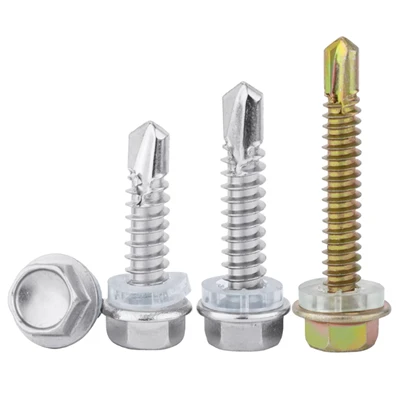
Let’s get into the specific wind forces we design against, because not all wind is the same. First, there’s wind pressure—this is the force that pushes on the side of a building. If you’ve ever leaned into a strong wind and felt the push on your chest, that’s pressure, and steel beams are sized to resist that. Then there’s wind suction, which is the big one for roof damage. Suction is when wind flows over a curved or flat roof, creating low pressure above the roof and high pressure below, so it literally pulls the roof off. I saw a small strip mall in Tampa after Hurricane Ian where the wood roof trusses tore right out of their anchors, but the adjacent steel warehouse I supplied stayed completely intact—we used heavy-gauge self-drilling screws and steel anchor bolts that drilled 18 inches into the concrete slab, so the suction couldn’t pull the roof away. That’s the difference between just using steel and engineering it for the unique forces in your area. Then there’s uplift, which is similar to suction, but more common in flat areas with straight-line winds, like downbursts from thunderstorms. We add extra diagonal steel bracing to resist uplift, and that’s not just overkill—last year, a storm in Kansas had 160 mph straight-line winds, and the steel grain elevators I supplied didn’t shift an inch, while three wooden elevators within 2 miles collapsed.
Another thing that affects wind-resistance is the shape of the structure. I’ve learned this the hard way after a project where I suggested a curved roof for a residential steel garage in Oklahoma. Curved roofs redirect wind around the building, right? But that curved roof was steeper than I initially planned, and when we had a test installation, the wind pressure on the curved edges was higher than we calculated. We reworked the truss spacing and added additional side girts, and that garage passed its wind load test with flying colors. Now, I always advise clients that low-pitched gable roofs or curved barrel roofs work better for wind than high-pitched peaks—those peaks can catch wind like a sail, which is why so many roof peaks get sheared off in tornadoes. Open-frame structures like pole barns? We’ve adjusted their design too, adding cross-braces at every corner and reinforcing the top plates to keep wind from pushing the frames apart. Even the finish on steel matters—hot-dip galvanized steel, which we use for all exterior components, resists corrosion from wind-driven rain and salt, so the strength doesn’t degrade over 50+ years. A galvanized steel structure won’t rust through like a wooden frame would after 10 years in a coastal area, so its wind-resistance stays consistent over time, not just at installation.
Wait, let’s address a common myth I hear all the time: “Steel is too heavy, so it gets blown over.” That’s not true—steel has excellent strength-to-weight ratio, which is one of its biggest advantages for wind-resistance. A steel beam is lighter than a concrete beam of the same strength, but it’s far stiffer than wood. Let’s put that in perspective: a 10-inch steel I-beam can support 50,000 pounds, but it weighs only 25 pounds per foot, while a wooden beam that can support the same weight would be twice as heavy, harder to lift on a job site, and more prone to bending in wind. The weight actually helps with uplift—steel panels are heavy enough that they don’t blow away as easily as lightweight asphalt shingles or thin metal siding. I had a client in Oregon last year who replaced a wooden shed with a steel one; during a winter windstorm that downed 200 trees in his county, his new steel shed stayed put, while three neighboring wooden sheds had their roofs torn off and doors blown in. That’s the strength-to-weight ratio working for him, not against him.
Now, let’s talk about what goes into our process when we design a wind-resistant steel structure, because that’s what separates a good supplier from one that cuts corners. First, we start with the local building code’s wind speed map—no guessing here. Then, we account for terrain: if your property is on a hilltop, wind speeds can be 10-15% higher than the base code, so we adjust accordingly. If you’re near a large body of water, we add a safety factor for wind-driven debris—like tree branches or small patio furniture—that can slam into the structure during a storm. Then, we do finite element analysis (FEA) on every component, which is basically a computer simulation that tests how each beam, truss, and connection will hold up to wind forces. We also use full-scale load testing for critical projects—last year, we tested the roof connections for a 200,000 sq ft distribution center we’re building in Houston, pulling on the connections with 150 mph equivalent wind forces, and they didn’t budge an inch. Finally, we source all our steel from certified mills, so we know every beam meets ASTM standards—no scrap steel that’s weaker than it’s supposed to be.
I should also mention maintenance, because wind-resistance isn’t a set-it-and-forget-it thing. I tell all my clients to do a quick check every six months: tighten any loose bolts, check for rust spots on exposed steel (we touch those up with galvanized paint to prevent corrosion), and make sure the roof panels are secured. I had a client in North Carolina a few years ago who skipped this step—he had a loose roof screw that he didn’t tighten before hurricane season, and when the wind hit, a whole section of his roof came off. It’s a small fix that makes a huge difference, and it’s way easier than replacing a whole roof after a storm.
Now, let’s get to the practical side of working with a steel structure supplier for wind-resistance. You don’t have to be a structural engineer to get a structure that’s wind-rated. When you reach out, bring me your property location, what the structure is for (warehouse, garage, barn, retail space), and any local wind-related concerns you’ve heard about in your area. I’ll pull up the local building code, run the wind load calculations, and give you a design that’s tailored, not a generic kit. I can also provide wind load test reports and code compliance documentation, which you’ll need for building permits. I’ve worked on projects for small business owners, farmers, and large commercial developers, and I adjust every design to fit their budget too—wind-resistance doesn’t have to break the bank. For example, adding extra anchor bolts is more cost-effective than re-sizing entire beams, so I always prioritize those where they’ll make the biggest difference for wind performance.
At the end of the day, what I tell every client is this: wind damage isn’t just an inconvenience—it can shut down your business, destroy your inventory, or even be a safety hazard. A properly engineered steel structure doesn’t just meet wind codes—it gives you peace of mind, even when a storm is heading your way. I’ve been doing this long enough to know that there’s no substitute for hands-on design, certified materials, and experience with local wind patterns. Whether you’re building a new structure and want to make sure it can stand up to whatever the weather throws at it, or you’re looking to replace an existing structure that’s failed in past storms, I’m here to walk you through every step. If you have questions about wind-resistance, need a custom design, or want to get a quote, don’t hesitate to reach out and start the conversation. Let’s build something that’s safe, durable, and built to last—no cutting corners, no generic plans, just a structure you can count on.
References
Washers American Society of Civil Engineers. Minimum Design Loads and Associated Criteria for Buildings and Other Structures (ASCE 7).
National Institute of Building Sciences. Steel Construction Manual.
American Institute of Steel Construction. Steel Structure Wind Load Resistance Guidelines.
Handan Dongchao Hardware Products Co., Ltd.
As one of the most professional steel structure manufacturers and suppliers in China, we have world-leading production equipment and strong manufacturing capabilities. Please feel free to wholesale bulk high quality steel structure in stock here and get pricelist from our factory. Customized orders are welcome.
Address: West of Xiaobeizhuang Village, South of Beizhangzhuang Village, Hanshan District, Handan City
E-mail: david@dcscrews.com
WebSite: https://www.dc-screws.com/
