Hey there! I’m a supplier of Acrylate Self – polishing Polymers, and today I wanna chat about the solubility of these polymers in different solvents. It’s super important to know about this if you’re working with these polymers, whether you’re in the marine coating industry or doing some interesting research projects. Acrylate Self-polishing Polymers
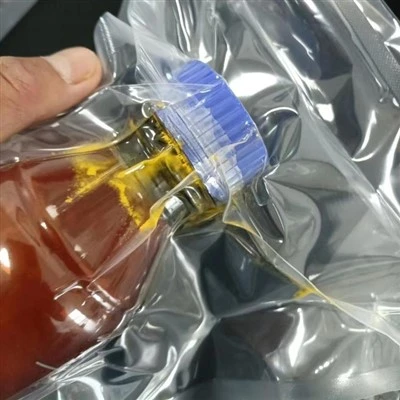
First off, let’s understand what Acrylate Self – polishing Polymers are. They’re these amazing materials that are widely used in marine anti – fouling coatings. When the coating is in contact with seawater, these polymers gradually dissolve, releasing biocides that prevent marine organisms from attaching to the ship’s hull. This helps in reducing drag, improving fuel efficiency, and saving money in the long run.
Now, let’s jump into the solubility part. Different solvents have different effects on these polymers, and that’s gonna impact how we use them in our formulations.
Solubility in Common Organic Solvents
Toluene
Toluene is a commonly used organic solvent in the polymer industry. Acrylate Self – polishing Polymers generally have a decent solubility in toluene. It’s a good choice when we need to dissolve the polymer for coating applications. The reason toluene works well is its chemical structure. Toluene has an aromatic ring, and the acrylate polymers have hydrocarbon chains and polar ester groups. The non – polar part of the acrylate polymer can interact with the toluene’s aromatic structure through van der Waals forces, while the polar ester groups can have some weak interactions with the toluene molecule.
However, if we want a very high – solid coating, the solubility of the polymer in toluene might be a bit of a limiting factor. As we increase the polymer concentration, the viscosity of the solution can go up pretty quickly, which can make it difficult to apply the coating evenly.
Xylene
Xylene is another aromatic solvent that’s similar to toluene. The solubility of Acrylate Self – polishing Polymers in xylene is also quite good. One advantage of xylene is that it has a higher boiling point compared to toluene. This can be useful in some coating processes where we need to keep the solvent from evaporating too quickly. Also, the solubility behavior of the polymer in xylene is a bit more forgiving when it comes to temperature changes. At lower temperatures, the polymer may not precipitate out as easily in xylene as it might in toluene.
But xylene has its own drawbacks. It’s more toxic than toluene, and there are some environmental and safety concerns associated with its use. So, we need to be careful when handling it in our production facilities.
Ethyl Acetate
Ethyl acetate is a polar aprotic solvent. It has moderately good solubility for Acrylate Self – polishing Polymers. The ester group in ethyl acetate can interact with the ester groups in the acrylate polymer through dipole – dipole interactions.
One of the nice things about using ethyl acetate is its quick evaporation rate. This can be great for fast – drying coatings. But on the flip side, because it evaporates so quickly, it can sometimes cause problems with coating defects like orange peel or pinholes if the application conditions aren’t just right.
Solubility in Water and Aqueous Solutions
Water
On its own, Acrylate Self – polishing Polymers have very low solubility in pure water. That’s because these polymers are mostly hydrophobic, with long hydrocarbon chains and relatively non – polar ester groups. However, when we modify the polymers by introducing some hydrophilic groups, things change.
If we add carboxylic acid groups or other hydrophilic moieties to the polymer backbone, the solubility in water can increase significantly. This is really important for developing water – based coatings, which are much more environmentally friendly than solvent – based ones. Water – based coatings have lower VOC (volatile organic compound) emissions, which is better for the environment and the health of the people applying the coatings.
Aqueous Salt Solutions
In addition to pure water, the solubility of these polymers in aqueous salt solutions is also an area of interest. When we have salt in the water, it can affect the solubility of the polymer in different ways. For example, some salts can cause the polymer to precipitate out of the solution due to the salting – out effect. The ions in the salt can interact with the water molecules, reducing the amount of free water available to solvate the polymer chains.
On the other hand, some salts can actually increase the solubility of the polymer. This might happen if the salt ions interact with the charged groups on the polymer in a way that stabilizes the polymer in the solution. For example, if the polymer has anionic groups, adding a cationic salt can help to balance the charges and improve the solubility.
Implications for Coating Formulations
The solubility of Acrylate Self – polishing Polymers in different solvents has a huge impact on how we formulate our coatings. If we’re making a solvent – based coating, we need to choose a solvent or a combination of solvents that can dissolve the polymer well at the desired concentration and also have the right evaporation rate and other properties.
For example, if we want a coating that can be applied thickly, we might choose a solvent like xylene because of its better solubility at higher polymer concentrations. But if we’re aiming for a fast – drying thin coating, ethyl acetate could be a better option.
When it comes to water – based coatings, we need to carefully design the polymer structure to ensure good water solubility. And we also need to consider the effects of additives and salts in the aqueous formulation.
Why It Matters to You
If you’re in the market for Acrylate Self – polishing Polymers, understanding the solubility in different solvents is crucial. It can help you choose the right polymer for your specific application. For example, if you’re making a marine coating for a region with high – temperature seawater, you might want a polymer that has good solubility in high – boiling – point solvents so that it can maintain its performance under those conditions.
And as a supplier, I’m here to help you make the best choice. I’ve got a wide range of Acrylate Self – polishing Polymers with different properties, and I can provide you with all the technical support you need. If you’ve got any questions about solubility in specific solvents or how to formulate your coatings, just reach out to me.
Conclusion
So, in a nutshell, the solubility of Acrylate Self – polishing Polymers in different solvents varies greatly depending on the nature of the solvent and the structure of the polymer. From organic solvents like toluene and xylene to water and aqueous salt solutions, each solvent has its own advantages and disadvantages. And this knowledge is essential for formulating high – quality coatings.
Catalyst If you’re interested in purchasing Acrylate Self – polishing Polymers or have any questions about their solubility or other properties, don’t hesitate to get in touch. We can have a chat and figure out the best solution for your needs.
References
- Paint and Coating Testing Manual, 16th Edition, ASTM International
- Polymer Science: A Comprehensive Reference, Elsevier
Wuxi Honor Shine Chemical Co., Ltd.
As one of the most professional acrylate self-polishing polymers manufacturers and suppliers in China, we’re featured by quality products and good service. Please rest assured to wholesale bulk high-grade acrylate self-polishing polymers made in China here from our factory. For free sample, contact us now.
Address: Building 1, Zone D, No. 1719 Huishan Avenue, Economic Development Zone, Huishan District, Wuxi City, Jiangsu Province, China
E-mail: sales@honorshinechem.com
WebSite: https://www.marine-antifouling.com/
