Can I machine – wash an embroidered scarf? Embroidered Scarf
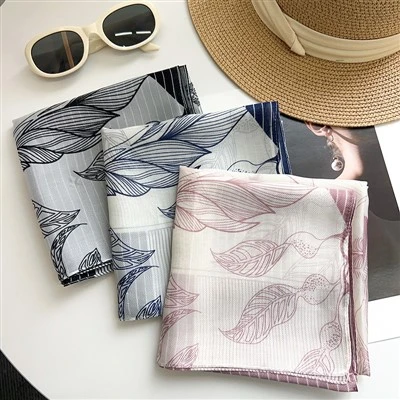
As a dedicated supplier of embroidered scarves, I’m frequently confronted with a common query from our customers: "Can I machine – wash an embroidered scarf?" It’s a question that stems from the desire for convenience in maintaining the beauty and functionality of these exquisite accessories. In this blog post, I’ll delve into the science behind the materials and construction of embroidered scarves, offer practical advice on whether machine – washing is advisable, and guide you through proper care methods to ensure your scarves remain in pristine condition for years to come.
Understanding the Components of Embroidered Scarves
Embroidered scarves are a blend of artistry and craftsmanship. They typically consist of a base fabric and the embroidered elements. Let’s start by examining the base fabrics. Our scarves are crafted from a variety of materials, including silk, cotton, wool, and synthetic blends. Each material has unique properties that impact how it responds to cleaning.
Silk is a natural protein fiber known for its luxurious feel, softness, and sheen. While it’s elegant, silk can be delicate. Its fibers are easily damaged by harsh chemicals, friction, and high temperatures. The natural dyes used in silk may also bleed or fade during washing.
Cotton, on the other hand, is a highly breathable and absorbent natural fiber. It is generally more durable than silk and can withstand more rigorous cleaning in many cases. However, cotton can shrink if exposed to high heat, and the colors may fade over time.
Wool is a warm and resilient fiber. It has natural lanolin, which gives it some water – repellent properties. But wool can felt or shrink when agitated in water, especially if the water is too hot or the agitation is too strong.
Synthetic fabrics, such as polyester and nylon, are often used in blends to enhance durability, wrinkle – resistance, and colorfastness. They are generally more resistant to shrinking and fading compared to natural fibers, but they may not have the same luxurious feel.
The embroidery on our scarves is another crucial factor. Embroidery is created by stitching thread onto the base fabric. The thread can be made of various materials, like silk, cotton, or polyester. Different stitching techniques are used, and the density of the embroidery can vary. Delicate stitches or beads and sequins added to the embroidery can be easily damaged during the washing process.
The Dangers of Machine – Washing Embroidered Scarves
Machine – washing an embroidered scarf comes with several risks. The agitation in the washing machine can cause the embroidery to loosen, fray, or even detach from the base fabric. The constant rubbing against other items in the load can damage the delicate threads. Beads, sequins, or other decorative elements may fall off or become scratched.
For scarves made of silk or wool, the high – speed spinning and agitation in a washing machine can lead to shrinkage, distortion of shape, and loss of the fabric’s natural luster. The harsh detergents used in machine – washing can also strip the natural oils from the fibers, leaving them dry and brittle.
Even if the scarf is made of a more durable fabric like cotton or a synthetic blend, the embroidery may still be at risk. The pressure from the water and the movement in the machine can cause the stitches to pull and stretch, altering the appearance of the design.
When Machine – Washing Might Be Acceptable
In some cases, machine – washing an embroidered scarf can be a viable option, but it requires careful consideration and proper precautions.
If the scarf is made of a sturdy synthetic blend with simple embroidery, and the manufacturer has indicated that it is machine – washable, you may be able to wash it in the machine. However, it’s crucial to use a gentle cycle with cold water and a mild detergent. Place the scarf in a mesh laundry bag to protect it from rubbing against other items in the load.
Before attempting a full machine – wash, test a small, inconspicuous area of the scarf. Dampen the area with water and a small amount of detergent, then gently rub it. Check for any color bleeding, damage to the embroidery, or changes in the fabric’s texture. If there are no negative effects, you can proceed with caution.
Alternative Cleaning Methods
For most embroidered scarves, hand – washing is the safest and most recommended cleaning method. Fill a sink or basin with lukewarm water and add a small amount of mild, pH – neutral detergent. Gently submerge the scarf and use your hands to agitate the water, allowing the detergent to penetrate the fibers. Avoid rubbing or wringing the scarf, as this can damage the embroidery and the fabric.
After a few minutes of gentle agitation, drain the soapy water and refill the sink with clean, lukewarm water. Rinse the scarf thoroughly, repeating the process until all the detergent is removed. To remove excess water, gently press the scarf between two clean towels. Do not twist or wring it.
Once the excess water is removed, lay the scarf flat on a clean, dry towel to dry. Reshape the scarf if necessary to maintain its original form. Avoid hanging the scarf to dry, as this can cause it to stretch and lose its shape.
If the scarf only has a small stain, spot – cleaning is a great option. Use a clean, white cloth dampened with a small amount of mild detergent and water. Gently blot the stain, working from the outside in to prevent it from spreading. Rinse the area with a clean, damp cloth and pat dry.
Long – Term Care Tips
To keep your embroidered scarves looking their best for years, there are some additional care tips to follow. Store your scarves in a cool, dry place away from direct sunlight. Sunlight can cause the colors to fade over time. You can fold the scarves and place them in a drawer or on a shelf, or hang them on a padded hanger to prevent creasing.
If you notice any loose threads or minor damage to the embroidery, it’s best to address it as soon as possible. You can use a small needle and thread to carefully re – stitch any loose areas. For more significant damage, it may be advisable to take the scarf to a professional cleaner or a textile repair specialist.
Conclusion
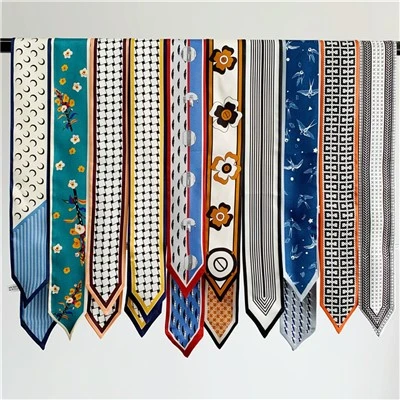
In conclusion, while it may be tempting to machine – wash your embroidered scarf for the sake of convenience, it’s generally not recommended due to the potential risks to the embroidery and the fabric. Hand – washing or spot – cleaning is the safest way to maintain the beauty and integrity of these delicate accessories.
Printed Scarf As a supplier of high – quality embroidered scarves, I’m committed to providing you with the best products and the knowledge to care for them properly. If you’re interested in purchasing our embroidered scarves or have any further questions about scarf care, I encourage you to reach out to us for a procurement discussion. We’re here to help you find the perfect scarves for your needs and ensure you can enjoy them for years to come.
References
- "Textile Science and Technology," Third Edition, by Postle, Rogers, and Stansfield.
- "Care and Restoration of Textiles" by Penelope Walton.
- Professional textile care guidelines from industry associations.
Deqing Boliya Silk Co., Ltd.
Deqing Boliya Silk Co., Ltd. is one of the most professional embroidered scarf manufacturers and suppliers in China, featured by quality products and good service. Please rest assured to wholesale the newest embroidered scarf in stock here and get quotation from our factory. We also accept customized orders.
Address: Baibiao Industrial Zone, Xinshi Town, Deqing County, Zhejiang Province, China
E-mail: boliya@boliyasilk.com
WebSite: https://www.boliyasilk.com/
